Can a Flex Fuel Car Use Regular Gas Without Issues
A flex fuel car can absolutely use regular gas without any issues. These vehicles are designed to run on any blend of gasoline and ethanol, from pure regular gasoline all the way up to E85. Using regular gas in a flex fuel vehicle is perfectly safe, and many drivers do it every day to save money at the pump.
This is a comprehensive guide about Can a Flex Fuel Car Use Regular Gas?.
Key Takeaways
- Flex fuel vehicles accept regular gas: These cars are built with flexible fuel systems that handle any gasoline blend, including regular unleaded.
- No engine damage occurs: Running regular gas in a flex fuel car will not harm your engine or void your warranty.
- Fuel economy differs by blend: Regular gas gives you more miles per gallon than E85, but E85 is often cheaper per gallon.
- Check your owner manual: Always confirm your vehicle’s recommended fuel types and blend ranges.
- You can mix and match: Switching between regular gas and E85 is seamless and requires no special procedures.
- Look for the flex fuel badge: Most flex fuel vehicles have a yellow gas cap or a badge on the trunk identifying them.
[FEATURED_IMAGE_PLACEHOLDER]
Can a Flex Fuel Car Use Regular Gas Without Any Problems?
The short answer is yes. A flex fuel car can use regular gas without any problems at all. These vehicles are engineered to run on multiple fuel types, and regular gasoline is one of them. If you own a flex fuel vehicle or are thinking about buying one, understanding your fuel options can save you money and keep your engine running smoothly.
Flex fuel vehicles, often called FFVs, have become increasingly popular in the United States. They offer drivers flexibility at the pump. You can fill up with regular gas, mid-grade, premium, or even E85 ethanol blend. This versatility is a huge selling point. But many drivers wonder whether using regular gas is the right move. Will it hurt the engine? Will you lose performance? The answer is no. Let’s break it all down.
In this guide, we will cover everything you need to know about putting regular gas in a flex fuel car. We will look at how these engines work, what happens when you switch fuels, and whether it is worth choosing regular gas over E85. By the end, you will feel confident about your fuel choices.
Whether you drive a Ford F-150, Chevrolet Silverado, or any other flex fuel model, this article has you covered. We will keep things simple and practical. No jargon, no confusion. Just clear answers to your fuel questions.
What Is a Flex Fuel Vehicle?
A flex fuel vehicle is a car or truck that can run on more than one type of fuel. Most commonly, flex fuel vehicles use gasoline and ethanol blends. The most popular blend is E85, which contains up to 85 percent ethanol and 15 percent gasoline. But these vehicles can also run on regular gasoline with no issues whatsoever.
The technology behind flex fuel cars is clever. The engine has sensors that detect the fuel type. Then the engine control unit, or ECU, adjusts the fuel injection and timing accordingly. This means the car automatically knows what fuel you are using and adapts. You do not need to do anything special.
How Does the Flex Fuel System Work?
Inside a flex fuel vehicle, you will find a few key components that make dual-fuel operation possible. The fuel injectors are designed to handle different fuel compositions. The fuel lines are made from materials that resist ethanol corrosion. And the sensors continuously monitor the fuel mixture.
When you fill up with regular gas, the sensors detect the lower ethanol content. The ECU then adjusts the air-fuel ratio for optimal combustion. When you switch to E85, the system recalibrates automatically. This seamless switching is what makes flex fuel vehicles so convenient. You never have to worry about making the wrong choice at the pump.
Many flex fuel vehicles also come with a fuel gauge that shows the current fuel blend. Some models even display the ethanol percentage on the dashboard. This feature helps drivers track what they are putting in the tank.
Regular Gas vs. E85: What Is the Difference?
Understanding the difference between regular gas and E85 is essential for flex fuel car owners. Each fuel type has its own pros and cons. Let us take a closer look at what sets them apart.
What Is Regular Gasoline?
Regular gasoline is the most common fuel type sold at gas stations across the country. It typically has an octane rating of 87. Regular gas contains no ethanol or a small amount, usually 10 percent (known as E10). Most cars on the road today can run on regular gas, whether they are flex fuel vehicles or not.
Regular gas is widely available and usually the cheapest option at the pump. For many drivers, it is the default choice. And for flex fuel vehicles, regular gas works perfectly fine. You will get good fuel economy and reliable engine performance.
What Is E85 Ethanol Blend?
E85 is a high-ethanol fuel blend. It contains between 51 percent and 83 percent ethanol, depending on the season and location. The rest is gasoline. E85 is popular in the Midwest, where corn production makes ethanol readily available and affordable.
E85 has a higher octane rating than regular gas, typically around 100 to 105. This higher octane can boost engine performance in some vehicles. However, E85 also has lower energy content per gallon. This means you will likely notice a drop in fuel economy when using E85 compared to regular gas.
Comparison Table: Regular Gas vs. E85
| Feature | Regular Gas | E85 Ethanol |
|---|---|---|
| Octane Rating | 87 | 100-105 |
| Ethanol Content | Up to 10% | 51-83% |
| Price Per Gallon | Higher | Lower (usually) |
| Fuel Economy | Better | Lower |
| Availability | Everywhere | |
| Engine Compatibility | All cars | Flex fuel vehicles only |
| Environmental Impact | Moderate | Lower emissions |
As you can see, both fuels have their place. Regular gas offers better fuel economy and wider availability. E85 offers a lower price per gallon and a smaller environmental footprint. Your choice depends on your priorities and driving habits.
Can You Mix Regular Gas and E85?
Yes, you absolutely can. One of the best things about a flex fuel car is that you can mix fuels without any consequences. If you start a trip on E85 and run low, you can top off with regular gas. The engine will adjust automatically. There is no need to drain the tank or take any special steps.
Some drivers like to mix fuels based on price and availability. For example, if E85 is expensive or hard to find on a road trip, switching to regular gas is an easy solution. The car will simply recalibrate and keep running smoothly.
However, it is worth noting that mixing fuels will change the overall ethanol percentage in your tank. The sensors will detect the new blend and adjust the engine timing accordingly. You might notice slight differences in performance or fuel economy, but nothing harmful will happen.
Does Regular Gas Affect Flex Fuel Engine Performance?
Using regular gas in a flex fuel vehicle does not negatively affect engine performance. The engine is designed to handle a wide range of fuel blends. Regular gas is well within the acceptable range. Your car will run just as well on regular gas as it does on E85.
Some drivers wonder whether regular gas reduces power. In most cases, the answer is no. The flex fuel system compensates for the different fuel composition. You may notice very slight differences in how the car feels, but these are usually imperceptible during normal driving.
Fuel Economy Considerations
One area where regular gas does make a difference is fuel economy. Regular gasoline contains more energy per gallon than E85. This means you will get more miles out of each tank when using regular gas. For drivers who cover long distances, this can add up to significant savings over time.
On the other hand, E85 is often cheaper per gallon. So even though you use more of it, the cost per mile might be similar or even lower in some regions. It is always a good idea to do a quick calculation based on current fuel prices in your area.
Cold Weather and Starting Issues
One thing to keep in mind is that E85 can be harder to ignite in very cold weather. Regular gas starts more easily in freezing temperatures. If you live in a cold climate, using regular gas during winter months can make starting your car smoother and more reliable.
Some flex fuel vehicles have a cold-start strategy that helps with E85 ignition in low temperatures. But if you have experienced rough starts in winter, switching to regular gas can be a simple fix. This is especially true for older flex fuel models that may not have the latest cold-weather fuel management systems.
Is It Safe to Use Regular Gas in a Flex Fuel Car?
Yes, it is completely safe. Flex fuel vehicles undergo rigorous testing to ensure they can handle all approved fuel types. Regular gas is one of the safest and most tested fuels you can put in your tank. There is no risk of engine damage, fuel system corrosion, or warranty issues when using regular gas in a flex fuel vehicle.
Manufacturers design these vehicles with flexible fuel systems that are built to last. The fuel lines, seals, and injectors are all compatible with both gasoline and ethanol blends. So whether you use regular gas every time or switch between fuels, your car will handle it without any problems.
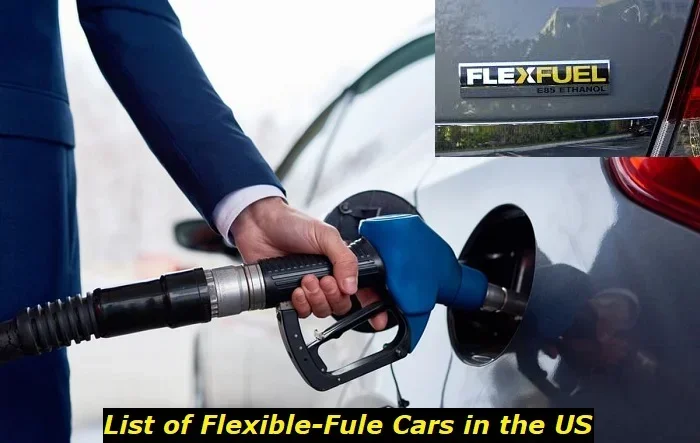
If you are ever unsure about what fuel to use, check your owner manual. It will list all approved fuel types for your specific vehicle. You can also look for the flex fuel badge on your car. This is usually found on the back, near the fuel door, or on the fuel cap itself.
What About the Fuel System?
The fuel system in a flex fuel vehicle is designed to handle ethanol. Ethanol is a solvent, and over time it can degrade certain rubber components in older fuel systems. However, modern flex fuel vehicles use ethanol-compatible materials throughout. Regular gas, which has little to no ethanol, is actually gentler on the fuel system than high-ethanol blends.
Using regular gas does not cause any special wear or tear on your fuel system. In fact, some mechanics recommend using regular gas occasionally to help clean out deposits that ethanol can leave behind. It is a win-win situation for your engine and your wallet.
How to Know if Your Car Is a Flex Fuel Vehicle
If you are not sure whether your car is a flex fuel vehicle, there are a few easy ways to find out. The most obvious sign is the yellow gas cap. Many flex fuel vehicles have a bright yellow fuel cap that says “E85” or “Flex Fuel.” This is a quick visual cue that your car can handle multiple fuel types.
You can also check for a flex fuel badge on the exterior of the vehicle. This is usually found on the trunk, tailgate, or side of the car. The badge will clearly identify the vehicle as a flex fuel model.
Another way to confirm is by checking the owner manual. The manual will list the approved fuel types and any specific recommendations. You can also look up your vehicle identification number, or VIN, online. Many websites allow you to enter your VIN and get a detailed breakdown of your car’s features, including whether it is a flex fuel model.
Common Flex Fuel Vehicle Brands and Models
Many popular brands offer flex fuel options. Ford has been a major player in the flex fuel market for years. The Ford F-150, Ford Escape, and Ford Explorer are all available in flex fuel versions. Chevrolet also offers several flex fuel models, including the Silverado and the Tahoe. Other brands like GM, Chrysler, and Toyota have flex fuel options in their lineups as well.
The availability of flex fuel vehicles has grown significantly over the past decade. As fuel prices fluctuate and environmental concerns grow, more manufacturers are offering FFV options. This means more drivers have access to the flexibility and savings that flex fuel technology provides.
Common Mistakes People Make with Flex Fuel Cars
Even though flex fuel vehicles are simple to use, some drivers make avoidable mistakes. Here are a few common ones to watch out for.
- Assuming all gas stations carry E85: E85 is not available everywhere. It is most common in the Midwest. If you are traveling outside that region, regular gas is your best bet. Do not stress if you cannot find E85.
- Using the wrong fuel in a non-flex fuel car: Regular gas is safe for flex fuel vehicles, but putting E85 in a non-flex fuel car can cause serious damage. Always double-check your vehicle type before filling up with E85.
- Ignoring the fuel gauge: Running your tank too low can cause issues with the fuel pump, especially when switching between fuel types. Keep an eye on your fuel level and refuel before you get too low.
- Not checking for fuel system wear: While modern flex fuel vehicles are built to last, older models may need more frequent fuel system inspections. Ethanol can degrade older rubber seals and hoses over time.
Avoiding these simple mistakes will help keep your flex fuel vehicle running strong for years to come. Regular maintenance and mindful fueling habits go a long way.
Expert Insights on Flex Fuel and Regular Gas
Automotive experts generally agree that using regular gas in a flex fuel vehicle is a perfectly fine choice. Many mechanics recommend it for drivers who want better fuel economy and fewer trips to the gas station. The flex fuel system is robust enough to handle any approved fuel without issue.
Some experts suggest alternating between regular gas and E85 based on driving conditions. For highway driving, regular gas is often the better choice due to its higher energy content. For short trips around town, E85 can be a cost-effective option if it is readily available and priced well.
Experts also point out that using regular gas occasionally can help keep the fuel system clean. Ethanol can leave behind residues over time, and running on pure gasoline periodically can help flush these out. This simple habit can contribute to longer engine life and better overall performance.
Key Takeaways
- Flex fuel vehicles accept regular gas: These cars are built with flexible fuel systems that handle any gasoline blend, including regular unleaded.
- No engine damage occurs: Running regular gas in a flex fuel car will not harm your engine or void your warranty.
- Fuel economy differs by blend: Regular gas gives you more miles per gallon than E85, but E85 is often cheaper per gallon.
- Check your owner manual: Always confirm your vehicle’s recommended fuel types and blend ranges.
- You can mix and match: Switching between regular gas and E85 is seamless and requires no special procedures.
- Look for the flex fuel badge: Most flex fuel vehicles have a yellow gas cap or a badge on the trunk identifying them.
Conclusion
So, can a flex fuel car use regular gas? The answer is a definitive yes. Flex fuel vehicles are designed to handle regular gasoline with ease. Whether you choose regular gas, E85, or a mix of both, your car will perform reliably and safely. The flexibility is the whole point of owning a flex fuel vehicle.
Using regular gas comes with several benefits, including better fuel economy, wider availability, and easier cold-weather starting. It is also gentler on your wallet at the pump. There is no downside to choosing regular gas in a flex fuel vehicle. It is a safe, smart, and practical choice for millions of drivers every day.
Next time you pull up to the gas station, do not hesitate to choose regular gas if that is what is available or what fits your budget. Your flex fuel vehicle was built to handle it. And remember, if you ever have doubts, your owner manual is always your best friend when it comes to fuel decisions.
Stay informed, drive safely, and enjoy the flexibility that comes with owning a flex fuel car. The open road is yours, and the fuel choice is always yours too.
Can I use regular gas in a flex fuel car?
Yes, absolutely. Flex fuel vehicles are designed to run on regular gasoline without any issues. The engine and fuel system automatically adjust to the fuel type you are using.
Will using regular gas void my flex fuel warranty?
No, using regular gas will not void your warranty. Flex fuel vehicles are engineered to handle all approved fuel types, including regular gasoline. Always check your owner manual for specific details.
Is E85 better than regular gas for flex fuel vehicles?
It depends on your priorities. E85 is often cheaper and has a lower environmental impact, but regular gas offers better fuel economy. Both are safe and effective options for flex fuel vehicles.
Can a flex fuel car run on just regular gas all the time?
Yes, you can use regular gas exclusively in a flex fuel vehicle. Many drivers do this for better fuel economy and convenience. The car will not experience any negative effects from running on regular gas full time.
What happens if I accidentally put E85 in a non-flex fuel car?
This can cause serious engine damage. Non-flex fuel cars are not designed to handle high ethanol blends. If you make this mistake, do not start the car and call a mechanic immediately for assistance.
Does regular gas give better mileage than E85 in flex fuel cars?
Yes, regular gas generally provides better fuel economy than E85. Regular gasoline has more energy per gallon, which translates to more miles per tank. However, E85 may cost less per gallon, so the overall cost per mile can be comparable.
Frequently Asked Questions
What is Can a Flex Fuel Car Use Regular Gas??
Can a Flex Fuel Car Use Regular Gas? is an important topic with many practical applications.