Are Toyota 4Runners Really That Reliable And Worth It
The Toyota 4Runner has built a legendary reputation for durability and off-road capability over decades of production. This Toyota 4Runner reliability guide covers everything you need to know, from common problems to long-term ownership costs. We break down whether the 4Runner is really worth it for your budget and driving needs.
The Toyota 4Runner has been a staple in the SUV world for decades. But the big question remains: are Toyota 4Runners really that reliable? If you are considering buying one, you want to know what you are getting into. This guide breaks down everything you need to know about Toyota 4Runner reliability, common issues, costs, and whether it is truly worth your money.
We have covered the history, the good, the bad, and the ugly. By the end, you will have a clear picture of whether the Toyota 4Runner fits your lifestyle and budget. Let us dive in.
The Toyota 4Runner has earned its place as one of the most talked-about SUVs on the market. Its rugged body-on-frame design sets it apart from unibody crossovers. The 4Runner is not just another SUV. It is a truck-based SUV built for adventure and daily use alike. But reliability is what keeps buyers coming back year after year. The Toyota 4Runner reliability record speaks for itself, with many owners logging well over 200,000 miles without major issues.
Key Takeaways
- Proven Reliability: The Toyota 4Runner consistently ranks among the most reliable SUVs on the road thanks to its simple, time-tested design.
- Strong Resale Value: A Toyota 4Runner holds its value exceptionally well, often outperforming competitors in the used SUV market.
- Affordable Maintenance: Routine upkeep is reasonably priced, though some repairs can be costly depending on the model year.
- Off-Road Mastery: The 4Runner offers outstanding off-road capability in a rugged body-on-frame design that has stood the test of time.
- Common Issues Exist: Being aware of known problems helps you avoid expensive surprises and make a smarter purchase decision.
- Worth the Investment: For buyers prioritizing longevity and capability, the Toyota 4Runner delivers strong long-term value.
📑 Table of Contents
The Toyota 4Runner Reliability Track Record
A Brief History of the 4Runner
The Toyota 4Runner history dates back to 1984 when it debuted as a compact SUV based on the Toyota Hilux pickup truck. Over the years, it has grown into a mid-size SUV that commands respect both on and off the road. The 4Runner third generation (2003-2009) is often considered a golden era. It offered a robust 4.0L V6 engine and a simple design that was easy to maintain. Later generations added more comfort and tech, but the core DNA remained the same.
Toyota built the 4Runner with longevity in mind. The body-on-frame construction and conservative engineering choices mean fewer things can go wrong. This is why the Toyota 4Runner longevity story is so compelling. Many owners report their trucks lasting well beyond 300,000 miles with proper care.
Why the 4Runner Earns Its Reputation
Several factors contribute to the Toyota 4Runner reliability reputation. First, the design is simple. Fewer complex electronics means fewer things to break. Second, Toyota uses proven components rather than experimental ones. Third, the 4Runner V6 engine is a workhorse that has been refined over decades. The Toyota 4Runner engine is known for its durability and straightforward maintenance.
Owner satisfaction surveys consistently place the 4Runner near the top. The 4Runner owner satisfaction rate is remarkably high, with many buyers purchasing a second or third one. This loyalty speaks volumes about the vehicle’s long-term value and dependability.
Toyota 4Runner Common Problems and Issues
Known Weaknesses Owners Should Know
No vehicle is perfect, and the Toyota 4Runner is no exception. Understanding 4Runner common problems before buying helps you make an informed decision. One of the most reported issues involves the cooling system. Older models sometimes experience radiator leaks and thermostat failures. These are not deal-breakers but can lead to overheating if ignored.
Another concern is the 4Runner body-on-frame design. While this provides excellent rigidity, it can also lead to rust in certain climates. Owners in snowy regions or coastal areas should inspect the undercarriage carefully. The Toyota 4Runner body-on-frame construction is a strength, but it requires attention to prevent corrosion over time.
Some owners have also reported issues with the AC compressor on higher-mileage vehicles. This is a relatively common repair and not overly expensive, but it is worth knowing about. The Toyota 4Runner maintenance cost for this type of repair typically runs between $500 and $900 depending on the model year.
How to Avoid Expensive Repairs
Prevention is the best medicine for any vehicle. Staying on top of routine maintenance is the single best way to avoid costly repairs. Change your oil every 5,000 to 7,500 miles using the recommended grade. Replace coolant at the intervals specified in your owner’s manual. Check the transmission fluid regularly.
Also, pay attention to warning signs. Unusual noises, vibrations, or dashboard lights should never be ignored. Catching small problems early saves thousands of dollars down the road. The Toyota 4Runner lifespan depends heavily on how well you maintain it. A neglected 4Runner will develop problems much faster than a well-cared-for one.
Maintenance Costs and Ownership Expenses
Are Toyota 4Runner Parts Expensive?
One of the biggest advantages of owning a Toyota 4Runner is the affordability of parts. Unlike brands where Mercedes Benz parts can be expensive and hard to find, Toyota parts are widely available and reasonably priced. The Toyota 4Runner maintenance cost is generally lower than many competitors in the mid-size SUV segment.
Routine maintenance items like brake pads, oil filters, and spark plugs are affordable and easy to find. Even major components like the 4Runner V6 engine parts are competitively priced. This accessibility is a huge factor in the vehicle’s long-term ownership cost. You do not need a specialized dealership to service a 4Runner. Most independent shops can handle the work with ease.
However, some repairs can be pricey. The 4Runner body-on-frame design means bodywork after an accident can cost more than on a unibody vehicle. Suspension components for the TRD trims can also be more expensive than standard models. Overall, though, the Toyota 4Runner price of ownership remains competitive for a rugged SUV.
Routine Maintenance Schedule and Tips
Staying on top of your Toyota 4Runner maintenance schedule is essential for reliability. Here is a basic outline of what to expect:
- Oil Change: Every 5,000-7,500 miles or 6 months
- Tire Rotation: Every 5,000-7,500 miles
- Brake Inspection: Every 15,000 miles
- Coolant Flush: Every 60,000 miles
- Transmission Service: Every 60,000-90,000 miles
- Timing Chain Inspection: Every 90,000 miles
Following this schedule keeps your 4Runner running smoothly for years. The Toyota 4Runner fuel economy is modest, so factor in regular fuel costs as part of your ownership budget. Expect around 16-19 MPG combined depending on the model year and trim.
Is a Toyota 4Runner Worth the Price?
Resale Value and Long-Term Investment
The Toyota 4Runner resale value is one of its strongest selling points. Few vehicles hold their value as well as the 4Runner. On average, a 4Runner retains about 65-70% of its value after five years. This is significantly better than most competitors. When it comes time to sell or trade in, the 4Runner owner is rewarded for their patience.
The Toyota 4Runner longevity means you are not replacing the vehicle every few years. This reduces your cost per mile over time. When you factor in the strong resale value, the true cost of ownership becomes very competitive. The Toyota 4Runner price may seem high upfront, but the long-term value story is compelling.
Comparing the 4Runner to Other SUVs
How does the Toyota 4Runner stack up against the competition? Let us look at a quick comparison of popular mid-size SUVs:
| Vehicle | Reliability Rating | Resale Value (5-Year) | Off-Road Capability | Fuel Economy (Combined MPG) |
|---|---|---|---|---|
| Toyota 4Runner | Excellent | 65-70% | Outstanding | 16-19 |
| Ford Explorer | Good | 50-55% | Moderate | 21-23 |
| Jeep Grand Cherokee | Good | 45-50% | Very Good | 20-22 |
| Chevrolet Tahoe | Good | 48-52% | Good | 15-17 |
| Toyota Highlander | Very Good | 55-60% | Limited | 22-24 |
As you can see, the Toyota 4Runner leads in both reliability and resale value. The trade-off is slightly lower fuel economy and a higher starting price compared to some alternatives. But for buyers who prioritize capability and longevity, the 4Runner is hard to beat.
If you are comparing the Toyota 4Runner to a truck, you might want to check Are 2013 Ford F150 Reliable for a detailed reliability comparison between the two. Similarly, if you are looking at older models, our guide on Are 2004 Ford F 150S Reliable provides useful context for truck reliability.
Toyota 4Runner vs. Ford F150: A Closer Look
The Toyota 4Runner and Ford F150 serve different purposes but often compete for the same buyer. The 4Runner offers a more refined on-road experience with better fuel economy. The F150 provides superior towing capacity and truck utility. However, the Toyota 4Runner reliability record is generally stronger than the F150’s, especially in models from the 2010s onward.
Both vehicles have strong resale value, but the 4Runner edges ahead in this category. The 4Runner also has lower maintenance costs for routine services. The F150 can be more expensive to insure, especially if you opt for higher trim levels. When it comes to pure reliability and long-term ownership satisfaction, the Toyota 4Runner is a strong contender.
Real-World Ownership Experience
What Owners Say About Daily Driving
So what is it actually like to live with a Toyota 4Runner every day? The feedback from real owners is overwhelmingly positive. The 4Runner provides a comfortable ride with supportive seats and ample cargo space. The upright seating position gives excellent visibility, which makes navigating city traffic much easier.
On the downside, the Toyota 4Runner fuel economy is not class-leading. Expect to visit the pump more often than you would with a crossover or car. The 4Runner is also not the most refined ride on smooth highways. You will feel more road noise and vibration compared to a unibody SUV. But these are trade-offs for the capability and durability the 4Runner offers.
Most owners say they would buy another 4Runner without hesitation. The 4Runner owner satisfaction rate is one of the highest in the SUV segment. People love the simplicity, the reliability, and the confidence that comes with knowing their truck will start every morning.
Off-Road Performance and Capability
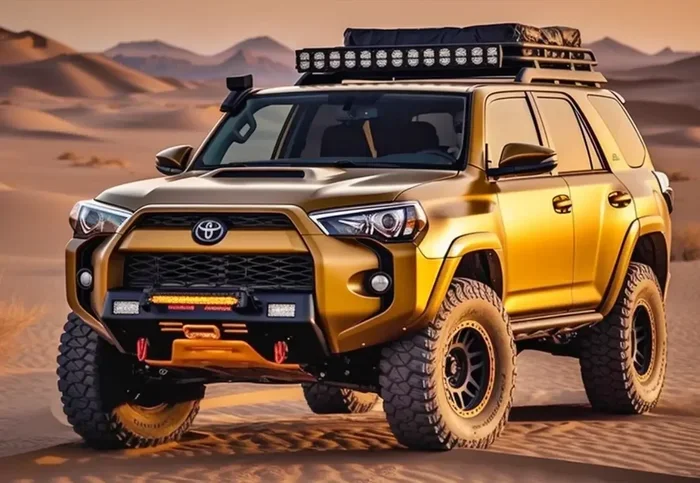
The 4Runner off-road capability is legendary. The TRD Off-Road and TRD Pro trims come equipped with locking differentials, crawl control, and multi-terrain select. These features make tackling trails, rocks, and mud a breeze. The body-on-frame design provides the rigidity needed for serious off-road abuse.
Even the base SR5 trim handles light trails with confidence. The 4Runner rugged SUV design means it can go places most crossovers can only dream about. Whether you are heading to a remote campsite or navigating a forest trail, the 4Runner delivers where it counts.
The Toyota 4Runner price for TRD trims is higher, but the off-road enhancements are worth it for enthusiasts. The TRD Pro adds FOX shocks, All-Terrain tires, and unique styling cues that set it apart. If off-road capability matters to you, the 4Runner TRD trim options are among the best in the class.
Final Verdict: Should You Buy a Toyota 4Runner?
The Toyota 4Runner reliability and capability make it one of the best choices in the mid-size SUV segment. It is not perfect. The fuel economy is modest, and some model years have known issues. But the overall package of durability, resale value, and off-road prowess is hard to match.
If you prioritize longevity and want a vehicle that will serve you reliably for many years, the Toyota 4Runner is an excellent choice. The Toyota 4Runner price may be higher than some alternatives, but the long-term value is undeniable. You are buying a vehicle that will last, not just for a few years, but for decades.
Before making your final decision, take time to test drive different trims and model years. Pay attention to how the vehicle feels on the road and whether it meets your daily needs. Talk to current owners and read reviews. The more research you do, the more confident you will be in your purchase.
The Toyota 4Runner is more than just a vehicle. It is a statement about what matters: capability, reliability, and long-term value. If these qualities align with what you need, the 4Runner will not disappoint.
Frequently Asked Questions
How long does a Toyota 4Runner typically last?
With proper maintenance, a Toyota 4Runner can easily last 250,000 to 300,000 miles or more. Many owners report their trucks surpassing 300,000 miles without major engine or transmission issues. The Toyota 4Runner longevity is a direct result of its simple, durable design and high-quality components.
Is the Toyota 4Runner a good daily driver?
Yes, the Toyota 4Runner works well as a daily driver for most people. It offers a comfortable ride, good visibility, and plenty of cargo space. The main trade-off is fuel economy, which is lower than crossover SUVs. If you can accept the fuel costs, the 4Runner makes a dependable daily companion.
What is the most reliable Toyota 4Runner model year?
The 2010 and 2014 Toyota 4Runner model years are often cited as the most reliable. These years benefited from refinements to the 4.0L V6 engine and improved electronics. However, most model years from 2003 onward have strong reliability records. Always check the specific vehicle’s maintenance history before buying.
Are Toyota 4Runners expensive to insure?
The Toyota 4Runner insurance cost is generally moderate. It is not as expensive to insure as luxury SUVs or sports cars. The 4Runner’s strong safety ratings and anti-theft features help keep premiums reasonable. However, rates vary by location, driving history, and coverage level.
Does the Toyota 4Runner hold its value well?
Yes, the Toyota 4Runner resale value is exceptional. It consistently ranks among the top vehicles for retaining value. A 4Runner typically holds 65-70% of its original value after five years. This is significantly better than most competitors in the SUV segment.
What engine does the Toyota 4Runner use?
The Toyota 4Runner engine is a 4.0L V6 that produces around 270 horsepower and 278 lb-ft of torque. This engine has been a staple of the 4Runner lineup for many years and is known for its durability and reliability. The 4Runner V6 engine pairs with a 5-speed or 6-speed automatic transmission depending on the model year.
=== CONCLUSION ===
The Toyota 4Runner is a vehicle that earns its reputation through decades of proven performance. The Toyota 4Runner reliability is not just a marketing claim. It is backed by real-world data, owner satisfaction surveys, and countless stories of trucks lasting well beyond 200,000 miles. From its rugged body-on-frame construction to its capable off-road performance, the 4Runner delivers where it counts.
Yes, the Toyota 4Runner is really that reliable and worth it for the right buyer. If you value durability, capability, and long-term ownership satisfaction, the 4Runner should be at the top of your list. Just remember to stay on top of maintenance, buy smart, and enjoy the ride. The Toyota 4Runner is a truck that will keep on giving for years to come.