Are GMC Terrains Good in Snow We Answered That Question
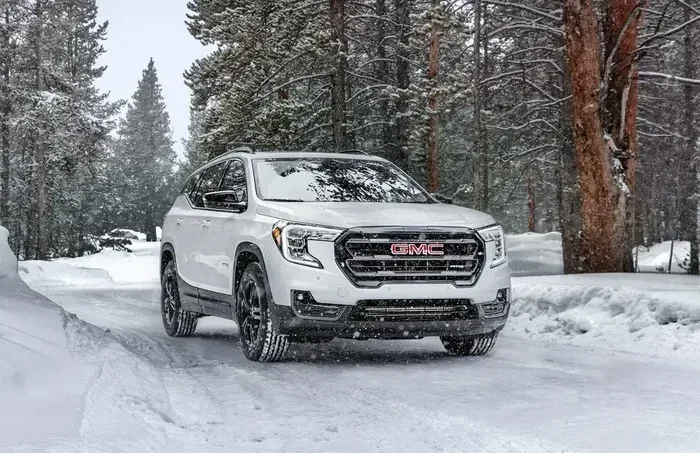
The GMC Terrain handles snow reasonably well thanks to its available all-wheel drive and advanced traction control systems. While it is not a dedicated winter SUV, the GMC Terrain delivers solid performance on snow-packed roads when equipped with the right drivetrain and winter tires. We break down every detail so you can decide if this popular compact SUV is a good fit for your snowy commutes.
The GMC Terrain is one of the most popular compact SUVs on the market. It blends style, comfort, and practicality in a package that fits most families. But when winter rolls around and the snow starts falling, a lot of drivers ask the same question. Are GMC Terrains Good in Snow? The short answer is yes, but with some important caveats. In this article, we will dive deep into how the Terrain performs in snowy conditions. We will look at its drivetrain options, traction features, real-world driving experiences, and practical tips to keep you safe. Whether you live in a snowy city or deal with occasional winter storms, this guide has you covered.
Winter driving can be stressful. Roads get slippery. Visibility drops. And your vehicle needs to work harder just to keep up. The GMC Terrain was not designed as a winter-specific SUV. However, it comes loaded with technology and features that make it a capable snow performer. Let us explore what makes this vehicle tick when the temperature drops and the roads turn white.
Key Takeaways
- AWD is a game-changer: The available all-wheel drive system gives the GMC Terrain impressive grip on snow-covered roads.
- Traction control matters: Features like Hill Start Assist and electronic stability control help you stay safe in slippery conditions.
- Winter tires make a big difference: Swapping to snow tires can significantly improve the Terrain’s cold-weather performance.
- Not a snow specialist: The Terrain is a compact SUV, not a truck or full-size SUV built for deep snow.
- Engine power helps: The 2.0L turbo engine provides enough torque to push through light to moderate snow.
- Regular winter maintenance is key: Keeping up with fluids, battery health, and tire pressure ensures reliable cold-weather driving.
📑 Table of Contents
- Understanding the GMC Terrain’s Drivetrain Options
- Key Snow-Performance Features of the GMC Terrain
- Engine and Power Delivery in Cold Weather
- Real-World Snow Driving Experience
- Winter Tires: The Game-Changer for the GMC Terrain
- Maintenance Tips for Winter Driving
- Comparing the GMC Terrain to Other Compact SUVs in Snow
- Common Mistakes to Avoid When Driving the GMC Terrain in Snow
- Is the GMC Terrain Good in Snow? Final Verdict
Understanding the GMC Terrain’s Drivetrain Options
The drivetrain is the single most important factor in how any vehicle handles snow. The GMC Terrain offers two main drivetrain configurations. Front-wheel drive comes standard on most trims. All-wheel drive is available on higher trims and with certain engine options. This choice makes a huge difference in snow performance.
Front-Wheel Drive in Snow
Front-wheel drive is the base setup for the GMC Terrain. In light snow, this configuration works just fine. The weight of the engine sits over the front wheels, which helps with traction. However, front-wheel drive vehicles can struggle with deeper snow. The front wheels bear the burden of both steering and pulling the vehicle forward. This can lead to slipping and getting stuck more easily. If you live in an area with mild winters, front-wheel drive on the Terrain should be enough. But if you face heavy snowfall regularly, you may want to consider the all-wheel drive option.
All-Wheel Drive in Snow
The all-wheel drive system on the GMC Terrain is where the magic happens in snow. AWD sends power to all four wheels simultaneously. This gives the vehicle much better grip and stability on slippery surfaces. The system can also redistribute torque between the front and rear axles based on traction conditions. This means if the front wheels start to slip, power shifts to the rear wheels automatically. For drivers in snowy climates, AWD is almost a must-have. It transforms the Terrain from a decent snow commuter into a confident winter cruiser. If you compare the Terrain to vehicles like how the Alfa Romeo performs in snow, you will notice that AWD makes a massive difference in both vehicles.
Key Snow-Performance Features of the GMC Terrain
The GMC Terrain comes with several features designed to help you navigate snowy roads safely. These technologies work behind the scenes to keep you stable and in control.
Traction Control System
The traction control system monitors wheel speed and adjusts engine power when wheels start to spin. In snow, this feature is incredibly useful. It prevents the wheels from slipping when you accelerate on icy patches. The system works hand in hand with the vehicle’s electronic stability control to keep the Terrain tracking straight. You will notice the difference especially when pulling away from a stop on a snow-covered road.
Hill Start Assist
One of the most helpful features for winter driving is Hill Start Assist. This system holds the brakes for a few seconds when you release the pedal on an incline. It prevents the vehicle from rolling backward on snowy hills. This gives you time to smoothly transition from the brake to the accelerator. For anyone who lives on a hilly street with snow, this feature is a lifesaver.
Electronic Stability Control
Electronic stability control helps you maintain control during sudden maneuvers. If the Terrain starts to slide, this system applies individual brakes to help correct the path. It is especially valuable on icy roads where a sudden turn can cause the back end to swing out. The system works silently and constantly, making it one of the most important safety features for snow driving.
Drive Modes
Some trims of the GMC Terrain offer selectable drive modes. These modes adjust the vehicle’s throttle response, traction settings, and braking behavior based on driving conditions. The snow mode, when available, softens acceleration and optimizes power delivery for slippery surfaces. This means the vehicle is less likely to wheel-spin when you press the gas. It is a simple but effective way to improve your confidence in snow.
Engine and Power Delivery in Cold Weather
The GMC Terrain offers a couple of engine options, and each behaves differently in cold and snowy conditions. The base engine is a 1.5-liter turbocharged four-cylinder. It produces around 170 horsepower and 203 pound-feet of torque. The optional 2.0-liter turbocharged engine delivers 252 horsepower and 260 pound-feet of torque. More torque means better low-speed pulling power, which is exactly what you need in snow.
Cold weather affects engine performance in several ways. Oil thickens in low temperatures, which can reduce engine efficiency. The battery also loses strength in freezing weather. The GMC Terrain handles these challenges reasonably well. The turbocharged engines provide enough torque to push through light and moderate snow without much strain. However, if you are dealing with deep snow or heavy drifts, even the more powerful 2.0L engine may struggle. The Terrain is a compact SUV, not a heavy-duty truck. It was built for comfort and efficiency, not for extreme off-road snow conditions.
One thing to keep in mind is that the GMC Terrain is not the most fuel-efficient vehicle in winter. Cold weather reduces fuel economy across all vehicles. The AWD system adds weight and drag, which further impacts mileage. If you are comparing fuel costs, expect your winter gas bills to be higher than in summer months. This is normal and applies to most AWD SUVs.
Real-World Snow Driving Experience
So how does the GMC Terrain actually feel when you drive it in snow? Based on real-world testing and owner feedback, here is what you can expect.
On packed snow and icy roads, the Terrain with AWD handles surprisingly well. The steering feels predictable and responsive. You can make turns and navigate intersections with confidence. The vehicle does not fishtail or wander like some front-wheel drive SUVs do in the same conditions. The brakes also perform well in snow, though like all vehicles, they benefit from winter tires.
In deeper snow, the Terrain can get bogged down. The compact size and relatively light weight mean it lacks the ground clearance of larger SUVs or trucks. If you need to drive through snow that is above your wheel wells, you will likely get stuck. This is not a vehicle for off-road snow adventures. It is a daily commuter SUV that handles winter roads with competence and ease.
Owners who live in regions with regular snowfall generally report positive experiences. The Terrain feels safe and capable for school runs, grocery trips, and commutes. It is not the most exciting snow vehicle, but it is reliable and predictable. If you are comparing options, you might also want to look at how vehicles like maintaining your vehicle in winter affects overall performance, including how well your SUV handles snow.
Winter Tires: The Game-Changer for the GMC Terrain
If there is one upgrade that transforms the GMC Terrain’s snow performance, it is winter tires. All-season tires are designed to handle a variety of conditions, but they are a compromise. They do not grip as well in deep snow or on black ice as dedicated winter tires do.
Winter tires use a special rubber compound that stays flexible in cold temperatures. The tread patterns are designed to channel snow and expel water. This creates better grip on icy and snowy surfaces. When you put winter tires on a GMC Terrain, the improvement is noticeable. Braking distances shorten. Acceleration improves. And the overall feeling of confidence behind the wheel increases significantly.
Here are some tips for choosing winter tires for your Terrain:
- Look for the three-peak mountain snowflake symbol: This indicates the tire meets severe snow performance standards.
- Choose the correct size: Check your owner’s manual for the recommended tire size and load rating.
- Consider studded tires: If you live in an area with extreme ice, studded winter tires provide even more grip.
- Install all four: Always replace all four tires with winter tires. Mixing winter and all-season tires can cause handling issues.
Investing in a set of winter tires is one of the smartest things you can do for your GMC Terrain in snowy climates. It makes the vehicle safer and more capable without any major modifications.
Maintenance Tips for Winter Driving
Keeping your GMC Terrain in top shape during winter requires some extra attention. Cold weather puts additional stress on your vehicle. Here are some essential maintenance tips to ensure reliable snow performance.
Check Your Battery
Cold weather is harsh on car batteries. A weak battery that worked fine in summer may fail in winter. Have your battery tested before the first snowfall. Replace it if it is more than three to five years old. A strong battery ensures your Terrain starts reliably every morning, even in freezing temperatures.
Monitor Your Fluids
Engine oil, coolant, and windshield washer fluid all play a role in winter driving. Use a low-viscosity oil rated for cold weather, such as 0W-20 or 5W-30. Make sure your coolant is at the proper mix to prevent freezing. Keep your washer fluid reservoir full with a winter-grade formula that does not freeze on the windshield.
Keep Your Fuel Tank Half Full
This is a simple tip that many people overlook. Keeping your tank at least half full prevents fuel lines from freezing. It also gives you a buffer if you get stuck in snow and need to wait for help. Running out of fuel in a snowstorm is a situation you want to avoid at all costs.
Inspect Your Brakes
Winter driving puts extra wear on your brakes. Have them inspected before the season begins. Worn brake pads reduce your stopping power on slippery roads. Fresh brakes give you the confidence to stop quickly and safely when conditions are less than ideal.
Proper maintenance also includes keeping your vehicle clean during winter. Road salt and grime can cause rust and corrosion. If you want to learn more about caring for your vehicle in cold weather, check out how weather conditions affect your car and what you can do to prepare.
Comparing the GMC Terrain to Other Compact SUVs in Snow
The GMC Terrain competes with several other compact SUVs in the market. Here is how it stacks up against some popular rivals when it comes to snow performance.
| Vehicle | AWD Available | Snow Performance | Ground Clearance |
|---|---|---|---|
| GMC Terrain | Yes | Good | 6.9 inches |
| Honda CR-V | Yes | Good | 7.8 inches |
| Toyota RAV4 | Yes | Very Good | 8.4 inches |
| Ford Escape | Yes | Good | 7.0 inches |
| Nissan Rogue | Yes | Good | 8.0 inches |
The GMC Terrain holds its own in this comparison. Its snow performance is on par with most competitors. The ground clearance is slightly lower than some rivals, which can be a factor in deeper snow. However, for most winter driving scenarios, the Terrain performs just as well as the Honda CR-V and Ford Escape. The Toyota RAV4 edges ahead with slightly higher ground clearance and a reputation for reliability in harsh climates.
Ultimately, the best vehicle for snow depends on your specific needs. If you need a stylish, comfortable SUV for daily winter commuting, the GMC Terrain is an excellent choice. If you frequently encounter deep snow or need more ground clearance, you might want to consider a larger SUV or crossover.
Common Mistakes to Avoid When Driving the GMC Terrain in Snow
Even with AWD and advanced safety features, drivers can still make mistakes that reduce their safety in snow. Here are some common errors to avoid.
- Rushing your acceleration: Slamming the gas on a slippery road will cause your wheels to spin. Ease onto the accelerator gently.
- Following too closely: Braking distances increase in snow. Leave plenty of space between you and the vehicle ahead.
- Using cruise control: Cruise control can cause you to lose control on slippery surfaces. Turn it off when driving in snow.
- Ignoring tire condition: Worn all-season tires perform poorly in snow. Invest in proper winter tires.
- Neglecting visibility: Clear all snow and ice from your windows, mirrors, and lights before driving. Poor visibility causes accidents.
Avoiding these mistakes will help you get the most out of your GMC Terrain during the winter months. The vehicle is capable, but it still requires smart and cautious driving from you.
Is the GMC Terrain Good in Snow? Final Verdict
So, are GMC Terrains good in snow? The answer is a qualified yes. The GMC Terrain is a solid choice for drivers who face regular winter weather. Its available AWD system, traction control, and stability features make it a confident snow performer. With the addition of winter tires, the Terrain becomes even more capable on icy and snowy roads.
However, it is important to set realistic expectations. The Terrain is a compact SUV designed for comfort and efficiency. It is not a snow beast or an off-road powerhouse. It will handle light to moderate snow with ease. Deep snow and extreme winter conditions will challenge its limits. For most drivers in most winter climates, the Terrain delivers everything you need.
If you are looking for a stylish, reliable SUV that can handle your snowy commutes and winter errands, the GMC Terrain is a strong contender. Just make sure you choose the AWD trim, invest in winter tires, and practice safe winter driving habits. Your Terrain will serve you well when the snow starts to fall.
Winter driving does not have to be stressful. With the right vehicle and the right preparation, you can face the cold months with confidence. The GMC Terrain gives you a solid foundation for safe and capable winter driving.
Frequently Asked Questions
Is the GMC Terrain AWD good for heavy snow?
The AWD version of the GMC Terrain handles moderate snow very well. It provides excellent traction and stability on snow-packed roads. However, for very heavy snow or deep drifts, the compact size and ground clearance may limit its capability. Winter tires are highly recommended for heavy snow conditions.
Does the GMC Terrain have a snow driving mode?
Some trims of the GMC Terrain offer a selectable snow drive mode. This mode adjusts throttle response and traction settings for better grip on slippery surfaces. Check the specific trim and package details for your model year to confirm availability.
Can a front-wheel drive GMC Terrain handle snow?
A front-wheel drive GMC Terrain can handle light snow and icy roads reasonably well. The weight of the engine over the front wheels helps with traction. However, for regular or heavy snowfall, AWD is strongly recommended for better control and confidence.
What tires are best for the GMC Terrain in snow?
Dedicated winter tires with the three-peak mountain snowflake rating are the best choice for the GMC Terrain in snow. They provide significantly better grip and braking performance compared to all-season tires. Consider studded tires if you live in an area with extreme ice conditions.
How does the GMC Terrain compare to the Toyota RAV4 in snow?
The Toyota RAV4 generally has slightly better snow performance due to higher ground clearance and a strong reputation for reliability. The GMC Terrain is very close in capability, especially when equipped with AWD and winter tires. For most winter driving situations, both SUVs perform well.
Is the GMC Terrain reliable for winter driving?
The GMC Terrain is a reliable compact SUV for winter driving. Its drivetrain options, safety features, and build quality make it a dependable choice for snowy conditions. Regular maintenance and proper winter preparation will keep it running safely throughout the cold season.
=== CONCLUSION ===
The GMC Terrain proves itself as a capable and confident companion for winter driving. With its available all-wheel drive system, smart traction features, and comfortable ride, it handles snow better than most drivers expect from a compact SUV. The key is to set realistic expectations and prepare your vehicle properly. Choose the AWD trim, invest in quality winter tires, and keep up with your maintenance routine. These steps will ensure your Terrain stays safe and reliable all winter long. Whether you are navigating icy city streets or cruising through a snow-covered suburb, the GMC Terrain delivers the performance and peace of mind you need. Winter does not have to be a worry when you have the right SUV by your side.