What Happens When a Car Overheats and How to Fix It
What happens when a car overheats is a question every driver should know the answer to. Engine overheating can cause serious damage if you do not act quickly. Your car gives you clear warning signs like steam, unusual smells, and a rising temperature gauge. Understanding these signals helps you respond safely and avoid expensive repairs. This guide covers everything from the root causes to the best fixes and prevention tips.
There is nothing more stressful than watching steam curl up from under your hood. Your heart races. Your hands tighten on the steering wheel. And all you can think about is what happens when a car overheats and whether your engine is about to give out.
The truth is, what happens when a car overheats depends on how quickly you respond. A few seconds of inaction can turn a small problem into a thousand-dollar repair. But here is the good news: most overheating situations are manageable if you know what to look for and what to do.
This guide walks you through everything you need to know. We will cover the warning signs, the damage that can occur, the most common causes, and the best ways to fix and prevent engine overheating. Whether you are dealing with a hot day on the highway or a mysterious temperature spike in your driveway, you will find practical answers here.
Key Takeaways
- Spot the signs early: Recognizing car overheating symptoms like steam, smells, and gauge spikes can save your engine from severe damage.
- Know the immediate steps: Pulling over safely and turning off the AC are critical first moves when your engine is overheating.
- Understand the causes: Coolant leaks, thermostat failure, and water pump breakdown are the most common reasons cars overheat.
- Prevention is key: Regular car maintenance tips like checking coolant levels and inspecting hoses can keep your cooling system running strong.
- Do not ignore warning signs: Ignoring an overheating warning can lead to head gasket damage, warped cylinder head, or even engine seizure.
- Seek professional help when needed: Some overheating engine fixes require a mechanic, especially when internal engine damage has occurred.
📑 Table of Contents
What Happens When a Car Overheats: Warning Signs to Watch For
Your car tells you when something is wrong. The trick is knowing how to listen. Most vehicles give you several clear car overheating symptoms before the situation becomes critical. Learning to recognize these signs early can make all the difference between a simple fix and a major repair.
Temperature Gauge Spike
Your dashboard temperature gauge is your first line of defense. When the coolant temperature rises above normal, the needle moves toward the red zone. Do not ignore this. A steady climb or a sudden jump is your engine sending a clear message: it is running too hot.
Some cars have warning lights instead of a traditional gauge. Either way, the signal means the same thing. Your cooling system is struggling to keep up. Pull over safely and investigate. An overheating warning is not something to brush aside, no matter how brief it may seem.
Steam Rising from the Hood
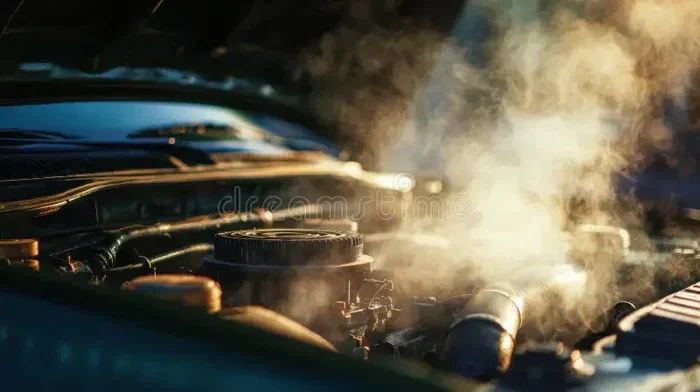
Seeing steam from hood is one of the most obvious signs of an overheating engine. This usually means your engine coolant has reached its boiling point and is turning to vapor. The steam may shoot out from under the hood or seep out from the edges of the radiator cap.
Do not pop the hood immediately. The pressurized steam can cause serious burns. Wait a few minutes, turn off the engine, and let things cool down before you look inside. If the steam continues, you likely have a significant coolant leak or a more serious system failure.
Strange Smells and Sounds
Your nose can be a powerful diagnostic tool. A sweet, syrupy smell often points to a leaking engine coolant. Burning or rubbery smells may mean a belt is slipping or a hose is melting. Grinding or knocking sounds from the engine bay can signal that metal parts are expanding and rubbing against each other.
These sounds and smells are not things to brush aside. They are your car’s way of telling you that engine damage may already be underway. Trust your senses. If something smells or sounds off, take it seriously.
What Actually Happens Inside Your Engine When It Overheats
To fully understand what happens when a car overheats, you need a basic picture of how your engine stays cool in the first place. It is simpler than you might think, and knowing how the system works makes the problems much easier to grasp.
How the Cooling System Works
Your engine runs on controlled explosions. Those explosions create a lot of heat. The cooling system handles this by circulating engine coolant through passages in the engine block. The coolant absorbs heat, carries it to the radiator, and releases it into the air. The water pump pushes the coolant through the system, and the thermostat regulates the flow based on temperature.
A cooling fan kicks in when the car is slow or idling, helping the radiator shed heat more efficiently. When every part of this system works together, your engine stays at the right coolant temperature and runs smoothly. It is a well-designed system that just needs regular care to keep functioning properly.
When Things Go Wrong
When one component fails, the whole chain breaks down. Heat builds up with nowhere to go. The coolant boils. Pressure rises. And the metal parts inside your engine start to expand beyond their normal tolerances.
This is where the real trouble begins. The longer the engine runs hot, the worse the damage gets. What starts as a small radiator problem can quickly snowball into a full-blown overheating engine fix that costs a lot more than a simple repair would have. This is why engine overheating is often called a silent killer for vehicles.
The Damage Cascade
Here is what can happen inside a severely overheated engine:
- Head gasket damage: The gasket seal between the engine block and cylinder head can fail, allowing coolant to leak into the combustion chamber.
- Warped cylinder head: The extreme heat can warp metal surfaces, ruining the seal and causing compression loss.
- Engine seizure: In the worst cases, the expanding metal parts can seize together, locking the engine entirely.
- Piston and ring damage: Excessive heat weakens pistons and can cause them to crack or stick in the cylinders.
Each of these problems is serious. And each one costs more to repair than the last. This is why catching engine overheating early is so important. A few minutes of attention can save you thousands of dollars.
Common Causes of Engine Overheating
Knowing the symptoms is only half the battle. Understanding the root causes helps you prevent the problem from ever starting. Here are the most common reasons a car overheats, ranked from most frequent to least common.
Coolant Leaks
A coolant leak is the number one cause of engine overheating. Coolant escapes through worn hoses, a loose radiator cap, a cracked reservoir, or a leaking water pump. When the level drops too low, there is not enough fluid to absorb and carry away heat.
Check your parking spot for green, orange, or pink puddles. That is often the first clue. A simple overheating car repair like topping off the coolant or replacing a hose can solve the problem before it escalates. Do not ignore even a small puddle under your car.
Thermostat Failure
The thermostat is a small valve that opens and closes to regulate coolant flow. When it gets stuck closed, the coolant cannot reach the radiator. Heat builds up fast. Thermostat failure is common in older vehicles and can happen without warning.
Replacing a thermostat is one of the more affordable overheating engine fix options. A mechanic can usually handle it in under an hour. If your heater stops working or your temperature gauge behaves erratically, a stuck thermostat might be the culprit.
Water Pump Breakdown
The water pump is the heart of your cooling system. It keeps the coolant moving. When it fails, the fluid stops circulating, and heat has nowhere to go. Water pump failure often comes with a grinding noise or a weep hole leaking coolant near the pump.
This is not a DIY repair for most drivers. The pump is often driven by the serpentine belt and sits in a tight spot. Professional overheating car repair is usually the way to go here. Do not try to drive far with a failed water pump.
Radiator and Cooling Fan Problems
A clogged radiator cannot release heat efficiently. Debris, old coolant, and rust can all block the narrow passages inside. Similarly, a faulty cooling fan means your engine gets no extra airflow when you are sitting in traffic or idling.
Both issues are common, especially in older vehicles or cars that have not had regular car maintenance tips followed. A radiator flush or fan replacement can often resolve the issue. Keeping your radiator clean and your fan working properly is one of the simplest ways to avoid overheating.
| Cause | Severity | Average Repair Cost | DIY Possible? |
|---|---|---|---|
| Coolant Leak | Moderate | $50 – $300 | Yes (minor leaks) |
| Thermostat Failure | Moderate | $100 – $300 | Yes |
| Water Pump Failure | High | $300 – $750 | No |
| Radiator Clog | High | $200 – $600 | Partial |
| Cooling Fan Failure | Moderate | $150 – $450 | Yes (electric fan) |
| Head Gasket Failure | Severe | $1,000 – $2,500 | No |
This table gives you a general idea of what to expect. Costs vary by vehicle model, location, and labor rates. Always get a detailed quote before approving major repairs. The cheapest option is almost always early intervention.
How to Fix an Overheating Car
When your car is overheating right now, your priority is safety and damage control. Here is what to do in the moment, followed by steps for longer-term fixes.
Immediate Steps to Take
- Turn off the AC and turn on the heater. This sounds counterintuitive, but it pulls heat away from the engine and into the cabin. It gives your cooling system a small but helpful break.
- Pull over safely and turn off the engine. Do not keep driving. Every minute of driving with an overheating engine increases the risk of permanent damage.
- Wait at least 15 to 20 minutes. Do not open the hood or radiator cap right away. The system is under pressure and hot coolant can spray out and cause burns.
- Check the coolant level once it cools. If it is low, you can add a mix of coolant and distilled water. Do not add plain water to a hot system.
- Inspect for visible leaks. Look under the car for puddles and check hoses for cracks or loose connections.
Long-Term Repairs
Once the immediate crisis is over, you need to address the root cause. A mechanic will typically start with a pressure test to find leaks, inspect the radiator and hoses, check the thermostat operation, and evaluate the water pump and cooling fan condition.
For more serious cases involving head gasket damage or a warped cylinder head, the repair process is more involved. The head gasket replacement requires removing the cylinder head, resurfacing or replacing it, and installing a new gasket. This is a job best left to experienced professionals who have the right tools and expertise.
Always ask for a detailed breakdown of costs before approving work. Understanding what you are paying for helps you make informed decisions and avoid unnecessary upsells. A good mechanic will explain every step clearly.
Quick Tips to Remember
- Keep a spare bottle of coolant in your trunk, especially during hot weather.
- Monitor your temperature gauge during long drives, not just at startup.
- Never open the radiator cap when the engine is hot.
- Replace coolant according to your owner’s manual schedule.
- Watch for warning signs during hot days, heavy traffic, or when towing a load.
Preventing Future Overheating
The best overheating engine fix is the one that never happens. Prevention is simple, affordable, and saves you from a world of headaches.
Regular Maintenance Schedule
Follow your vehicle’s recommended maintenance schedule. This includes regular coolant flushes, hose inspections, belt checks, and radiator cleanings. Most manufacturers suggest a coolant change every 30,000 to 50,000 miles, but check your owner’s manual for the exact interval.
During each oil change, ask your mechanic to visually inspect the cooling system. Catching a small crack in a hose early can prevent a roadside breakdown and a very expensive repair bill. Prevention is always cheaper than repair.
Seasonal Considerations
Summer heat puts extra stress on your cooling system. Before the hottest months arrive, have your radiator, hoses, and coolant levels checked. If you live in a hot climate, consider a higher-quality coolant formulated for extreme temperatures.
Winter brings its own challenges. Antifreeze protects your coolant from freezing, but a weak mixture can still cause problems. A simple coolant temperature test at a shop costs very little and gives you peace of mind. Staying ahead of seasonal changes keeps your engine protected year-round.
Quick Daily Checks
You do not need to be a mechanic to stay on top of your car’s health. A few quick habits make a big difference:
- Glance at your temperature gauge during startup and at red lights.
- Check your coolant reservoir level once a month.
- Listen for unusual sounds when the engine is running.
- Smell for anything sweet or burning near the engine bay.
- Watch for any drips or puddles where you park.
These small actions take less than a minute each day but can save you from a major breakdown on the side of the road. Consistency is your best friend when it comes to car care.
When to See a Mechanic
Some overheating issues are manageable on your own. But there are clear signals that you need professional help. If your temperature gauge climbs into the red zone more than once, if you see steam every time you drive, or if you notice a persistent drop in coolant levels, it is time to see a mechanic.
Also seek help immediately if you experience any of the following:
- The check engine light comes on alongside a temperature spike.
- Your car starts overheating within minutes of starting the engine.
- You hear loud knocking or pinging sounds from the engine.
- Your heater stops working while the engine is hot.
- White smoke comes from the exhaust pipe.
These symptoms often indicate internal damage that a simple coolant top-off cannot fix. Ignoring them can turn a manageable repair into a complete engine replacement. Trust your instincts. If something feels wrong, get it checked out. The cost of a diagnostic visit is always less than the cost of ignoring the problem.
Understanding what happens when a car overheats empowers you to act quickly and protect your investment. Regular maintenance, prompt attention to warning signs, and smart driving habits keep your engine cool and your wallet happy. Your car works hard for you every day. Taking care of its cooling system is one of the best ways to return the favor.
Frequently Asked Questions
Can I keep driving if my car is overheating?
No. Driving an overheating car can cause severe and permanent engine damage. Pull over safely, turn off the engine, and wait for it to cool down. Continuing to drive risks warping the cylinder head, blowing the head gasket, or causing engine seizure.
How much does it cost to fix an overheating car?
The cost depends on the cause. A simple coolant top-off or thermostat replacement may cost under $300. However, major repairs like a head gasket replacement or engine rebuild can range from $1,000 to $4,000 or more. Regular maintenance is the cheapest way to avoid these expensive fixes.
Why does my car overheat in traffic but not on the highway?
This is a common sign of a cooling fan problem. At highway speeds, airflow through the radiator keeps the engine cool. When you slow down or stop, the fan must take over. If the fan is not working properly, the engine overheats in traffic but stays fine at higher speeds.
Can low oil cause a car to overheat?
Yes, indirectly. Engine oil helps lubricate and cool internal components. When oil levels are low, metal parts experience more friction and generate extra heat. While low oil is not the most common cause of overheating, it can contribute to the problem, especially in older vehicles.
How often should I change my engine coolant?
Most manufacturers recommend a coolant change every 30,000 to 50,000 miles. Check your owner’s manual for the specific interval. Old or contaminated coolant loses its effectiveness and can lead to radiator corrosion and overheating issues.
Is it safe to add coolant while the engine is hot?
No. Never add coolant to a hot engine. The system is under high pressure, and opening the cap can cause hot coolant to spray out and cause serious burns. Always wait at least 15 to 20 minutes for the engine to cool before adding any fluid.
=== KEY TAKEAWAYS ===
Key Takeaways
- Spot the signs early: Recognizing car overheating symptoms like steam, smells, and gauge spikes can save your engine from severe damage.
- Know the immediate steps: Pulling over safely and turning off the AC are critical first moves when your engine is overheating.
- Understand the causes: Coolant leaks, thermostat failure, and water pump breakdown are the most common reasons cars overheat.
- Prevention is key: Regular car maintenance tips like checking coolant levels and inspecting hoses can keep your cooling system running strong.
- Do not ignore warning signs: Ignoring an overheating warning can lead to head gasket damage, warped cylinder head, or even engine seizure.
- Seek professional help when needed: Some overheating engine fixes require a mechanic, especially when internal engine damage has occurred.