What Causes the VSC Light to Stay On and How to Fix It
The VSC light is a dashboard warning that your Vehicle Stability Control system needs attention. If your VSC light stays on, it means the system has detected a fault and may not work properly. This guide explains the top causes, how to diagnose the problem, and step-by-step fixes to reset the light safely.
The VSC light is a dashboard warning that your Vehicle Stability Control system needs attention. If your VSC light stays on, it means the system has detected a fault and may not work properly. This can affect safety, especially on slippery roads or during sharp turns. In this guide, we’ll explore the top reasons the VSC light stays on and how to fix it step by step. You’ll learn what triggers the warning, which sensors are involved, and when to see a mechanic.
A glowing VSC light can be unsettling, especially if you’re not sure what it means. Many drivers ignore it, but a steady VSC light often points to a real issue that could compromise your car’s stability and braking performance. Understanding the root cause helps you decide whether it’s a quick fix or a trip to the shop.
The Vehicle Stability Control system works behind the scenes to keep you safe. It uses sensors to monitor wheel speed, steering angle, and yaw rate. When something goes wrong, the system shuts down and lights up the dashboard. This article breaks down every common cause and gives you practical solutions.
Key Takeaways
- VSC light meaning: It signals a fault in the Vehicle Stability Control system that affects safety.
- Common causes: ABS wheel speed sensor, steering angle sensor, brake light switch, and low brake fluid are top culprits.
- Diagnosis: Use an OBD-II scanner to read trouble codes and pinpoint the exact issue.
- DIY fixes: Reset the light after repairing the root cause, but don’t ignore the underlying problem.
- When to see a pro: If the light flashes, the car wobbles, or you hear grinding, seek immediate help.
- Prevention: Regular brake service and sensor checks can prevent the VSC light from coming back.
📑 Table of Contents
What Does the VSC Light Mean?
How the VSC System Works
The VSC system is part of your car’s safety network. It works closely with the ABS (Anti-lock Braking System) and traction control. When you lose grip, the system applies brakes to individual wheels and reduces engine power. This helps you stay on course during a skid.
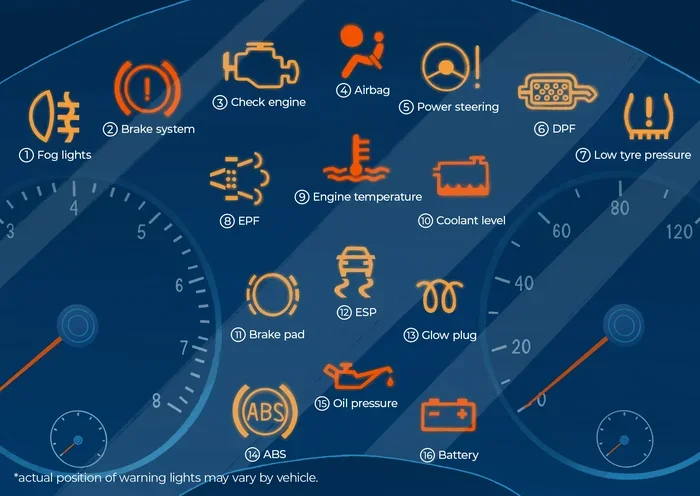
A VSC warning light turns on when the computer detects a problem in this loop. The light can look like a car with wavy lines behind it. If the light stays on, the system may not intervene in an emergency. That’s why it’s important to address the issue quickly.
Many things can trigger the light. A faulty sensor, low fluid, or a wiring problem can all cause the VSC light to stay on. The system relies on clean data from each sensor. If one sensor sends wrong information, the whole stability control system may shut down.
Common Causes of a VSC Light That Stays On
Several components can fail and keep the VSC light glowing. Here are the most common reasons, along with their symptoms and fixes.
ABS Wheel Speed Sensor Failure
The ABS wheel speed sensor monitors how fast each wheel spins. If a sensor gets dirty or damaged, it sends incorrect signals. The VSC system then thinks a wheel is slipping or locking up. This triggers the VSC light and often the ABS light too.
Common symptoms include the light coming on in wet conditions. You might also notice the ABS warning on the dash. A dirty sensor is the easiest fix. A worn sensor needs replacement.
Faulty Steering Angle Sensor
The steering angle sensor sits in the steering column. It tells the VSC system how much you’re turning the wheel. If this sensor fails, the system can’t calculate the correct corrective action. The VSC light will stay on as a result.
You may feel the steering feel heavy or unresponsive. This sensor often needs recalibration after a battery disconnect or steering repair. A qualified mechanic can reset it with a scan tool.
Yaw Rate Sensor Problems
The yaw rate sensor measures how fast your car is rotating around its vertical axis. It helps the VSC system detect a skid. If this sensor fails, the system loses its sense of direction. The VSC light will illuminate to warn you.
This sensor is usually located under the center console or near the suspension. Replacement can be costly, but it’s essential for stability control to work properly.
Brake Light Switch Failure
The brake light switch tells the car when you press the brake pedal. It also sends a signal to the VSC and ABS systems. If the switch fails, the VSC light may stay on because the system thinks you’re constantly braking.
Check if your brake lights work normally. A stuck switch can also prevent the car from starting in some models. Replacing the switch is a simple and cheap fix.
Low Brake Fluid or Hydraulic Leaks
The VSC system relies on hydraulic pressure to apply brakes. If your brake fluid is low, the system may shut down. A leak in the brake lines or master cylinder can cause this quickly.
Look for a soft brake pedal or fluid spots under the car. Topping up the fluid may turn the light off, but you must find and fix the leak first. Driving with low brake fluid is dangerous.
Throttle Position Sensor Malfunction
The throttle position sensor monitors how far you press the accelerator. The VSC system uses this data to reduce engine power during a skid. If the sensor sends wrong data, the VSC light can turn on.
Symptoms include rough idle or hesitation when accelerating. Cleaning or replacing the sensor often resolves the issue. This is a common problem in older vehicles.
VSC Light Causes vs. Fixes
| Cause | Common Symptom | Typical Fix |
|---|---|---|
| ABS Wheel Speed Sensor | VSC and ABS lights on together | Clean or replace sensor |
| Steering Angle Sensor | Light after battery change or steering work | Recalibrate or replace sensor |
| Yaw Rate Sensor | VSC light with no other obvious cause | Replace sensor |
| Brake Light Switch | Brake lights stay on or don’t work | Replace switch |
| Low Brake Fluid | Soft pedal, fluid warning also on | Top up fluid and fix leak |
| Throttle Position Sensor | Rough idle, hesitation under load | Clean or replace sensor |
How to Diagnose the VSC Light Problem
Before you replace any parts, you need to know exactly what’s wrong. A proper diagnosis saves time and money.
Using an OBD-II Scanner
An OBD-II scanner is the fastest way to find the root cause. Plug it into the diagnostic port under your dashboard. Turn the key to the ON position and read the trouble codes.
Common codes related to the VSC light include C0035 (left front wheel speed sensor) and C0040 (right front). The scanner will also show if the check engine light is on, which can point to a shared sensor issue. Write down all codes and look them up in a repair manual.
Visual Inspection
Start with a simple visual check. Look at the ABS sensors and their wiring. Are there any corroded connectors or damaged wires? Clean the sensor tip with a cloth and check for metal debris. A loose connector can also cause the VSC light to stay on.
Check the brake fluid reservoir level. If it’s low, top it up and see if the light goes out. Inspect the brake lines for any wet spots or drips. These steps often reveal the problem without any tools.
Checking the ABS Module
In rare cases, the ABS control module itself fails. This is the computer that runs the braking and stability control systems. A faulty module can keep the VSC light on even if all sensors are good.
Symptoms of a bad ABS module include the brake light flashing or the system locking up unexpectedly. This requires professional diagnosis and often a module replacement or reprogramming.
Quick Tip: If the VSC light comes on after a heavy rainstorm, it might be a temporary glitch. Dry off the sensor tips and drive a few miles. If the light stays on, proceed with the diagnosis steps above.
Step-by-Step Fixes to Reset the VSC Light
Once you’ve fixed the root cause, you can reset the VSC light. Here’s how to do it safely.
Reset the VSC Light After Repair
First, make sure the repair is complete. Tighten any loose connectors and ensure the fluid level is correct. Then turn the ignition off and wait 30 seconds. Turn the key to the ON position without starting the engine.
Press and hold the VSC button (usually near the gear shift) for about 5 seconds. Release it. Start the engine and drive slowly for a few minutes. The light should turn off if the problem is fixed. If it stays on, you may need to clear the code with an OBD-II scanner.
Replace a Faulty Sensor
Replacing a wheel speed sensor is a common DIY fix. Jack up the car and secure it on stands. Unplug the sensor connector and remove the mounting bolt. Pull the old sensor out and clean the tip of any metal debris.
Install the new sensor and reconnect the plug. Make sure the air gap is correct. Repeat for all four wheels if needed. After replacement, use a scanner to clear the codes and test drive the car.
Repair the ABS Module
A failing ABS module needs professional attention. A mechanic will test the module with specialized equipment. In some cases, the module can be repaired or reprogrammed. If it’s completely dead, a new or remanufactured module will be installed.
This fix is more expensive, but it’s essential for safety. The VSC light will stay on until the module is fully functional again. Always have a professional handle this repair.
Quick Tips, Common Mistakes, and Expert Insights
Quick Tips to Prevent VSC Light Issues
- Check your brake fluid level every month.
- Keep the ABS sensor areas clean during car washes.
- Avoid driving through deep water that can submerge sensors.
- Reset the VSC system after a battery disconnect or replacement.
- Use the right grade of brake fluid as specified in your owner’s manual.
Common Mistakes When the VSC Light Comes On
- Ignoring the light: Many drivers keep driving with the VSC light on. This disables stability control and increases crash risk.
- Resetting without fixing: Clearing the code without repairing the cause will just bring the light back.
- Assuming it’s the battery: A weak battery can trigger many lights, but the VSC light usually points to a specific sensor or system fault.
- Skipping the scan: Guessing the cause without a scanner leads to wasted parts and frustration.
Expert Insight
“The VSC light often comes on together with the ABS light. If both are glowing, check the ABS wheel speed sensors first. In most Toyota and Honda models, a dirty sensor is the culprit. A simple cleaning can save you hundreds of dollars,” says a certified automotive technician.
Also, remember that the VSC system works with the traction control system. If you see both the VSC and traction control lights on, the issue is likely shared between them. The wheel speed sensors are the most common link.
When to See a Professional Mechanic
Some VSC light problems are simple. Others need a trained eye. Here are signs you should visit a mechanic right away.
- The VSC light flashes instead of staying steady.
- You feel the car pulling to one side or wobbling at speed.
- You hear grinding or clicking noises from the wheels.
- The brake pedal feels spongy or goes to the floor.
- The check engine light is also on with multiple codes.
- You’ve tried resetting the light but it returns within a day.
Driving with a faulty VSC system is risky, especially in rain or snow. A professional can run a full diagnostic and ensure your stability control is fully restored. Don’t wait until an emergency situation reveals the problem.
Conclusion
The VSC light staying on is your car’s way of asking for help. It usually points to a sensor fault, low fluid, or a wiring issue. By following the diagnosis steps and fixes in this guide, you can often solve the problem yourself. Always address the root cause before resetting the light.
A working Vehicle Stability Control system gives you confidence on the road. It keeps you safe during sudden maneuvers and slippery conditions. Take the time to understand the VSC light, and you’ll keep your car running safely for years to come.
Frequently Asked Questions
Can I drive with the VSC light on?
You can drive short distances, but the stability control system won’t work. This means you have less protection on wet or icy roads. It’s best to get the problem diagnosed and fixed as soon as possible.
How much does it cost to fix the VSC light?
Costs vary widely. A dirty ABS sensor might cost $20 to clean. Replacing a wheel speed sensor typically runs $100 to $300. A new ABS module can cost $500 to $1,000. Brake light switches are usually under $50.
Will the VSC light reset itself?
The light may turn off if the issue is temporary, like a wet sensor. Once the problem is repaired, you can reset it with the VSC button or an OBD-II scanner. If the root cause isn’t fixed, the light will come back.
What is the difference between the VSC light and the check engine light?
The check engine light covers the entire engine and emissions system. The VSC light specifically relates to the Vehicle Stability Control system. They can both come on at the same time if a shared sensor fails, like a wheel speed sensor.
Can a dead battery cause the VSC light to come on?
A weak or dying battery can cause voltage drops that trigger warning lights, including the VSC light. If the light appears after a jump start or battery replacement, check the battery first. A fully charged battery often clears the light.
How do I permanently fix the VSC light?
Permanently fixing the VSC light means addressing the underlying fault. Clean or replace faulty sensors, repair leaks, and replace the brake light switch if needed. After the repair, reset the system and test drive to confirm the light stays off.