Do I Need to Reset TPMS After Filling Air in Tires
Do I Need to Reset TPMS After Filling Air? The short answer is: it depends on your vehicle and the type of tire pressure monitoring system you have. Many modern cars require a tire pressure reset after adding air, while others do it automatically. In this guide, we walk you through everything you need to know about resetting your TPMS, when it is necessary, and how to do it yourself in just a few minutes.
You just finished filling up your tires at the gas station or in your driveway. The tire pressure gauge shows the right number. You feel good about it. But then you glance at the dashboard and see that little horseshoe-shaped light with an exclamation point staring back at you. It is the TPMS warning light, and it is still on. This raises the big question: do you need to reset TPMS after filling air in tires?
The answer is not always a simple yes or no. It depends on your vehicle, the type of tire pressure monitoring system you have, and what triggered the light in the first place. Some cars handle the reset on their own. Others need a button press or a few menu steps. And in some cases, that light staying on after you add air could mean something more serious is going on with your TPMS sensor.
In this article, we break down everything you need to know about resetting TPMS after filling air. You will learn when a reset is necessary, how to do it yourself, what common problems look like, and when it is time to see a mechanic. Whether you drive a sedan, SUV, or truck, this guide covers you.
Let us dive into the world of tire pressure monitoring and make sure your tires are doing their job properly. After all, your tires are the only part of your car that touches the road. Taking care of them is one of the easiest forms of vehicle maintenance you can do.
Key Takeaways
- Not Always Required: Some vehicles reset TPMS automatically after you fill your tires to the correct tire pressure levels.
- Manual Reset Is Common: Many cars need a manual TPMS reset using a button or menu on the dashboard.
- Check Your Owner’s Manual: The best place to find your specific reset procedure is your vehicle’s manual.
- Warning Lights Matter: A persistent tire pressure warning light after filling air could signal a deeper issue.
- Sensor Battery Life: TPMS sensors have batteries that last 5-10 years and may need replacement eventually.
- Regular Checks Save Money: Keeping up with tire pressure checks improves fuel economy and tire life.
📑 Table of Contents
What Is TPMS and Why Does It Matter?
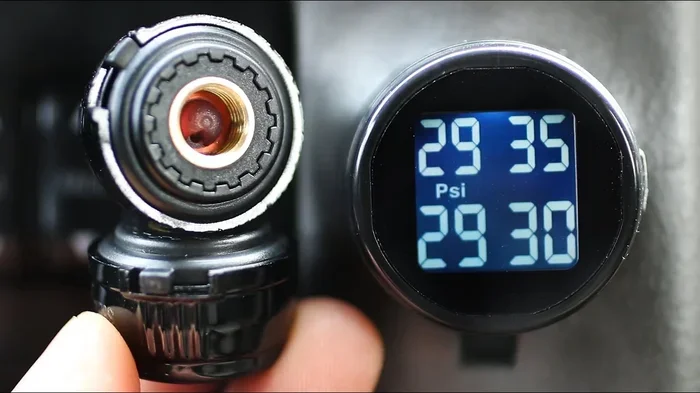
The Tire Pressure Monitoring System, or TPMS, is a safety feature in modern vehicles. It keeps an eye on the air pressure inside your tires and alerts you when something is off. The system uses small sensors inside each tire or on the valve stems. These sensors send data to your car’s computer.
When the pressure drops below a safe level, the dashboard warning light turns on. This is your signal to check your tires. Ignoring it can lead to uneven tire wear, poor fuel economy, and even dangerous blowouts. The tire pressure warning light is not something you should brush off.
How TPMS Sensors Work
Each tire has a TPMS sensor that measures the air pressure inside. The sensor sends this information wirelessly to your car’s onboard computer. If the pressure falls below the recommended level, usually by about 25%, the light comes on. Some systems show individual tire pressures on the dashboard display. Others just give you the warning light with no details.
The sensors run on small batteries. These batteries typically last between five and ten years. When the battery dies, the sensor stops working, and the light may come on even if your tire pressure levels are perfect. This is a common reason drivers ask whether they need a tire pressure reset after routine air fills.
Direct vs. Indirect TPMS Systems
There are two main types of tire pressure monitoring systems. Understanding the difference helps you know what to expect after filling your tires.
Direct TPMS uses physical sensors inside each tire. These sensors measure the actual air pressure and send readings to the car’s computer. Most modern vehicles use direct TPMS. The advantage is accuracy. You get precise pressure readings for each individual tire.
Indirect TPMS does not use physical pressure sensors. Instead, it relies on the vehicle’s anti-lock braking system (ABS) sensors. It measures the rolling circumference of each tire. A tire with low pressure has a slightly smaller circumference and spins faster than the others. The system detects this difference and triggers the warning light. Indirect systems do not always need a manual reset after you add air, because the sensors recalibrate as you drive.
Do You Always Need to Reset TPMS After Filling Air?
This is the question most drivers want answered, and the honest answer is: it depends. Let us look at the different scenarios where you might need to reset your TPMS after adding air to your tires.
When You DO Need to Reset TPMS
There are clear situations where a tire pressure reset is necessary after you fill your tires:
- Your vehicle has a manual reset button: Many cars come with a TPMS reset button located under the steering column, on the center console, or near the gear shift. After you fill your tires, you need to press this button to tell the system that the new tire pressure levels are correct.
- The warning light stays on after filling: If you have added air and the tire pressure warning light is still glowing, your car’s computer has not acknowledged the new pressure. A reset tells the system to recheck the sensors.
- You have changed tires or rotated them: When you swap tires or rotate them to different positions, the system may lose its calibration. A reset helps the sensors relearn the new tire positions.
- You have a direct TPMS system: Direct systems often require a manual reset after any pressure change. The sensors need to be told that the current readings are the new baseline.
When You Do NOT Need to Reset TPMS
On the other hand, there are times when you can skip the reset entirely:
- Your car has automatic TPMS recalibration: Many newer vehicles reset the system automatically once you drive a certain distance at a certain speed. The system recalibrates itself after a few miles of normal driving.
- The light turned off on its own: If the warning light went off shortly after you filled your tires and stayed off, your system likely handled the update automatically.
- You have an indirect TPMS system: Indirect systems often do not need a manual reset. The ABS sensors recalibrate as you drive and the system adjusts on its own.
- You only added a small amount of air: If the pressure was only slightly low and you topped it off, the system may not flag it as a significant change that requires a reset.
Quick Tip: Check Your Owner’s Manual
The fastest way to know whether you need a reset is to check your vehicle’s owner manual. Look for the section on tire pressure monitoring. The manual will tell you exactly how your system works and whether a manual reset is required after adding air. If you do not have the physical manual, you can often find a digital version on the manufacturer’s website.
How to Reset Your TPMS Step by Step
If your vehicle requires a manual tire pressure reset, the good news is that it is usually a straightforward process. You do not need a mechanic or expensive tools. Here is how to do it for most common vehicle types.
Method 1: Using the TPMS Reset Button
Many vehicles have a dedicated TPMS reset button. Here is how to use it:
- Check your tire pressure: Use a tire pressure gauge to make sure all tires are at the recommended tire pressure levels. You can find the recommended pressure on the sticker inside the driver’s door frame.
- Turn the ignition to the ON position: Do not start the engine. Just turn the key or press the start button so the dashboard lights come on.
- Locate the reset button: Look under the steering column, on the center console, or near the gear shift. The button often has a TPMS symbol on it.
- Press and hold the button: Hold it until the tire pressure warning light on the dashboard blinks three times.
- Start the engine: Drive the car for a few minutes. The system should recalibrate and the light should turn off.
Method 2: Using the Infotainment System Menu
Some newer vehicles let you reset the TPMS through the infotainment screen. This method is common in vehicles like Volkswagen and BMW models. If you are unsure about the exact steps for your car, you can also refer to guides on how to reset your Volkswagen computer or how to reset your BMW audio system, as the menu navigation is often similar across these brands.
- Press the menu button on your dashboard screen: Navigate to the vehicle settings or maintenance section.
- Look for TPMS or Tire Pressure: Select the tire pressure monitoring option.
- Choose the reset or calibration option: Follow the on-screen prompts to complete the reset.
- Drive the vehicle: The system needs a few minutes of driving to confirm the new pressure readings.
Method 3: Using the OBD-II Scanner
If your car does not have a physical reset button or a menu option, you can use an OBD-II scanner. This tool plugs into the diagnostic port under your dashboard. It communicates directly with your car’s computer and can reset the TPMS warning light. OBD-II scanners are affordable and available at most auto parts stores. Some even let you read diagnostic codes, which is helpful if the light stays on after a reset.
Quick Tips for a Successful TPMS Reset
- Fill tires when they are cold: Tire pressure increases as tires warm up from driving. Check pressure before you drive for the most accurate reading.
- Do not reset with a flat tire: Make sure all tires are properly inflated before you attempt a reset.
- Drive at moderate speeds after resetting: The system needs consistent driving data to recalibrate properly.
- Check the spare tire too: Some vehicles monitor spare tire pressure as well.
Common TPMS Problems After Adding Air
Sometimes, even after you fill your tires and reset the system, problems persist. Understanding these common issues can save you time and frustration.
The Warning Light Comes Back After a Few Days
If the TPMS warning light returns shortly after you reset it, there may be a slow leak in one of your tires. Even a tiny puncture can cause a tire to lose pressure over several days. Use a tire pressure gauge to check each tire again, including the spare. If the pressure is fine, the issue might be a faulty TPMS sensor.
The Light Stays On Even After a Reset
A persistent light after a reset can signal several problems:
- Dead sensor battery: TPMS sensors run on batteries that eventually die. When the battery dies, the sensor cannot communicate with the car’s computer. This is one of the most common reasons the light stays on.
- Damaged sensor: Sensors can get damaged by road debris, corrosion, or improper tire changes. A damaged sensor needs replacement.
- Temperature changes: Cold weather can temporarily lower tire pressure and trigger the light. If the light comes on in winter and goes away in summer, it may just be a seasonal tire pressure fluctuation.
- System malfunction: In rare cases, the TPMS module itself may have a glitch. A mechanic can diagnose this with a specialized scanner.
Interestingly, a failing sensor can sometimes cause broader issues beyond just the warning light. For example, a malfunctioning sensor that sends erratic data can confuse your car’s computer, potentially affecting other systems that rely on sensor input. In some cases, a failing sensor might even contribute to issues like the car won’t start right after turning off, especially if the car’s computer is receiving conflicting data from multiple sensors at once.
One Tire Shows a Different Pressure Than the Others
If your dashboard shows one tire at a different pressure, check that specific tire first. It might have a slow leak. If the pressure is correct, the TPMS sensor in that tire may be malfunctioning. Sensors can fail individually, and replacing a single sensor is much cheaper than replacing all four.
Can a Bad Sensor Cause Other Car Problems?
While a faulty TPMS sensor primarily affects the tire pressure light, it can sometimes cause broader issues. For example, a failing sensor might send inaccurate temperature or pressure data that affects other monitoring systems. Similarly to how a bad temperature sensor can cause a car to overheat, a malfunctioning TPMS sensor can confuse your car’s computer and lead to unexpected warning lights or drivability concerns.
When to Replace Your TPMS Sensor
TPMS sensors do not last forever. Knowing when to replace one can save you from repeated warning lights and inaccurate readings.
Signs Your TPMS Sensor Needs Replacement
- The warning light stays on even after a proper reset: This is the most obvious sign that a sensor may be failing.
- The battery warning appears on the dashboard: Some vehicles show a specific battery icon for TPMS sensors when the battery is low.
- Inconsistent readings: If one tire always shows a different pressure than the others despite being properly inflated, the sensor may be inaccurate.
- The sensor is over 10 years old: Most TPMS sensor batteries last 5 to 10 years. If your vehicle is older, it may be time for a replacement.
How Much Does TPMS Sensor Replacement Cost?
The cost of replacing a single TPMS sensor typically ranges from $50 to $100 for the part, plus labor. Some vehicles require special programming after a new sensor is installed. If you replace all four sensors at once, the cost will be higher but you will have fresh sensors across all tires. Regular tire care and pressure checks can extend the life of your sensors and help you avoid unexpected replacements.
Tips for Keeping Your TPMS in Good Shape
Prevention is always better than repair. Here are some simple habits that keep your tire pressure monitoring system working reliably for years.
Check Your Tire Pressure Monthly
Make it a habit to check your tire pressure levels at least once a month. Use a reliable tire pressure gauge and compare the readings to the recommended pressure listed on your driver’s door sticker. Checking monthly catches slow leaks early and keeps your tires wearing evenly.
Invest in a Quality Tire Air Compressor
Having a portable tire air compressor at home makes it easy to maintain proper pressure. You can top off your tires anytime without visiting a gas station. Many modern compressors are compact, quiet, and easy to store in your trunk.
Watch for Temperature Changes
Air pressure inside tires drops as temperatures fall. A 10-degree drop in temperature can reduce tire pressure by about 1 PSI. During cold months, check your tire pressure more frequently. This seasonal awareness helps you avoid false warnings and keeps your tires performing at their best.
Do Not Ignore the Warning Light
It can be tempting to ignore the TPMS warning light, especially if the tires look fine. But the system is designed to catch problems you cannot see. A slow leak, a failing sensor, or a pressure issue that is just below the threshold can all trigger the light. Addressing it promptly is a key part of responsible vehicle maintenance and tire care.
Keep Your Tires Properly Inflated for Fuel Savings
Properly inflated tires do more than keep you safe. They also improve your fuel economy. Underinflated tires create more rolling resistance, which means your engine works harder and uses more fuel. Studies show that maintaining the correct tire pressure levels can improve gas mileage by up to 3%. Over time, that adds up to real savings at the pump.
Get Professional Help When Needed
While resetting TPMS is often a DIY task, some situations call for professional help. If you have tried resetting the system multiple times and the light keeps coming back, see a mechanic. They have the tools and expertise to diagnose sensor failures, system malfunctions, and other hidden issues. Regular tire pressure checks at a service center can also complement your at-home routine.
In some cases, you might wonder if adding features like blind spot monitoring or other driver assistance systems can affect your TPMS readings. The truth is that these systems operate independently, but they all share the same car computer. Keeping your vehicle’s systems well-maintained ensures everything works together smoothly.
Conclusion
So, do you need to reset TPMS after filling air in tires? The answer is: it depends on your vehicle, your TPMS type, and the situation. For many drivers, a simple reset after adding air keeps the system accurate and the warning light off. For others, the system handles everything automatically.
The most important takeaway is this: do not ignore the tire pressure warning light. Whether it goes off after a temperature change, a slow leak, or a sensor battery dying, addressing it promptly keeps you safe and your tires lasting longer. Regular tire pressure checks, timely resets, and proper vehicle maintenance are small efforts that pay off big.
Take a few minutes today to check your tire pressure. If your light is on, try a reset using the steps in this guide. If the problem persists, visit a trusted mechanic. Your tires are your connection to the road, and the tire pressure monitoring system is there to protect that connection. Treat it well, and it will keep you safe mile after mile.
Remember, proper tire care is one of the simplest and most effective forms of vehicle maintenance you can perform. It costs almost nothing and pays dividends in safety, fuel savings, and tire longevity. Keep your tires properly inflated, reset your system when needed, and drive with confidence knowing your TPMS is working as it should.
Frequently Asked Questions
Can I drive with the TPMS light on after filling my tires?
It is not recommended. The TPMS light means your system has detected a pressure issue or needs recalibration. While you can drive short distances, you should address the problem quickly. Check your tire pressure first, and if the tires are properly inflated, perform a tire pressure reset following your vehicle’s manual.
How long does a TPMS reset take?
A TPMS reset typically takes only a few minutes. The physical reset process itself is quick, but the system may need 10 to 20 minutes of driving to fully recalibrate. If you use an OBD-II scanner, the reset is instant, but driving is still needed for the system to confirm the new readings.
How much does it cost to reset TPMS at a dealership?
Many dealerships and auto parts stores will reset your TPMS for free or for a small fee, usually between $10 and $30. However, you can save money by learning how to do it yourself. Most vehicles have a simple reset process that takes just a few minutes and requires no special equipment.
Will the TPMS light turn off by itself after I fill my tires?
In some vehicles, yes. Cars with automatic recalibration will turn the light off after you drive a certain distance at highway speeds. However, many vehicles require a manual reset. If the light does not turn off within a day or two of driving, you should perform a manual reset or check for underlying issues.
Can cold weather trigger the TPMS light even if my tires are properly inflated?
Absolutely. Cold temperatures cause the air inside your tires to contract, which lowers the pressure. A significant temperature drop can trigger the TPMS warning light even when your tires were properly inflated. This is why it is important to check your tire pressure more frequently during seasonal changes and adjust accordingly.
How often should TPMS sensors be replaced?
TPMS sensor batteries typically last between 5 and 10 years. The entire sensor unit may need replacement when the battery dies, as the battery is not user-replaceable in most designs. If you notice frequent warning lights or inconsistent readings, have a mechanic check your sensors. Regular tire pressure monitoring and timely replacements keep your system reliable.