Car Glass Replacement: Everything You Need to Know
Car glass replacement is a critical maintenance task that every vehicle owner will likely face at some point. Whether you have a small crack or a shattered windshield, understanding the process, costs, and options can save you time and money. This guide covers everything from choosing the right glass type to finding a reliable auto glass shop.
There’s nothing quite like the sound of a rock hitting your windshield. One moment you’re driving along, and the next, you’ve got a nasty crack spiderwebbing across your car glass. It happens to the best of us. Whether it’s a highway debris incident or a surprise hail storm, damaged auto glass is more than just a cosmetic nuisance.
Car glass replacement is something every driver should understand, even if they hope they never need it. A cracked or chipped windshield isn’t just ugly. It can seriously compromise your safety on the road. Modern vehicles rely on their windshields for structural support, sensor function, and visibility. When that glass gets damaged, the stakes are higher than many people realize.
In this guide, we’ll walk you through everything you need to know about replacing your car’s glass. We’ll cover costs, glass types, the replacement process, and how to find a trustworthy shop. By the end, you’ll feel confident making the right decision for your vehicle.
Key Takeaways
- Know When to Replace: Small chips can often be repaired, but cracks longer than 6 inches usually require full car glass replacement.
- Choose the Right Glass Type: OEM glass offers the best fit and quality, while aftermarket options are more budget-friendly.
- Insurance May Cover It: Many comprehensive insurance policies include windshield replacement with no deductible.
- ADAS Calibration Matters: Modern vehicles need sensor recalibration after any windshield work to keep safety systems functioning.
- Don’t Delay Repairs: Ignoring damage can lead to spreading cracks and compromised structural integrity.
- Professional Installation Is Key: Proper urethane adhesive application and curing time are essential for a safe, long-lasting seal.
📑 Table of Contents
- Why Car Glass Replacement Matters
- Types of Car Glass and What You Need to Know
- The Car Glass Replacement Process Step by Step
- How Much Does Car Glass Replacement Cost?
- Should You File an Insurance Claim?
- Common Mistakes to Avoid During Car Glass Replacement
- Quick Tips for Car Glass Replacement Success
- How to Find a Reliable Auto Glass Shop
- Conclusion
Why Car Glass Replacement Matters
Your windshield does a lot more than just keep the wind out. It’s a structural part of your vehicle’s safety system. When it’s damaged, your car isn’t performing the way it should. Understanding why timely replacement matters can help you act quickly when damage occurs.
Structural Integrity and Safety
Modern windshields are bonded to the car’s frame using a special urethane adhesive. This bond provides up to 45% of the roof’s structural support during a rollover accident. A damaged windshield weakens this bond. In a crash, a compromised windshield can pop out, reducing roof strength and putting occupants at serious risk.
Additionally, the windshield helps distribute impact forces across the vehicle’s frame. When glass is cracked or shattered, that distribution is disrupted. Even a small crack can grow under stress, temperature changes, or vibration from driving.
Visibility and Driving Confidence
A cracked windshield distorts your view of the road. Glare from sunlight or headlights scatters off damaged glass, making it harder to see clearly. This is especially dangerous during early morning or evening driving. Many drivers don’t realize how much their damaged auto glass affects their reaction time until it’s replaced.
Beyond safety, driving with a cracked windshield can also lead to legal issues. Most states have laws against obstructed views, and you could get pulled over and fined for it.
Types of Car Glass and What You Need to Know
Not all car glass is the same. Your vehicle uses different types of glass in different areas, and each serves a specific purpose. Understanding these types helps you make informed decisions during the replacement process.
Laminated Safety Glass
Your windshield is made of laminated safety glass. This means it’s two layers of glass with a thin plastic layer sandwiched in between. When something hits the windshield, the plastic layer holds the glass together instead of shattering into dangerous shards. This is why small chips and cracks often stay in one place rather than spreading across the entire windshield.
Laminated glass is designed to maintain its structure even after impact. This is why it’s the standard for windshields worldwide. During car glass replacement, technicians must use laminated glass that meets your vehicle’s original specifications.
Tempered Glass
Side windows, rear windows, and moonroofs use tempered glass. This type of glass is heated and then rapidly cooled, making it much stronger than regular glass. When tempered glass breaks, it shatters into small, blunt pieces rather than sharp shards. This reduces the risk of injury in an accident.
If a side or rear window gets damaged, it typically needs full replacement since tempered glass can’t be repaired. The good news is that tempered glass replacement is usually quicker and less expensive than windshield replacement.
OEM vs Aftermarket Glass
When it’s time for car glass replacement, you’ll hear the terms OEM and aftermarket thrown around a lot. Here’s the difference:
- OEM Glass: Made by the same manufacturer that supplied the original glass for your vehicle. It matches the exact specifications, including logos, tinting, and curvature.
- Aftermarket Glass: Made by third-party manufacturers. It meets safety standards but may differ slightly in fit, tint, or quality.
OEM glass is generally more expensive but offers the best fit and quality. Aftermarket glass is a solid budget option that still meets safety requirements. Your choice depends on your budget and how important perfect fit is to you.
The Car Glass Replacement Process Step by Step
Understanding what happens during a car glass replacement can ease your worries and help you prepare. The process is straightforward when handled by a professional, and knowing what to expect makes the whole experience less stressful.
Step 1: Assessment and Preparation
The technician starts by examining the damage and measuring the glass. They’ll check if the damage is repairable or if full replacement is needed. Small chips and cracks under three inches are usually repairable. Anything larger typically requires a full auto glass replacement.
Before starting, the technician removes any accessories near the damaged glass, such as rain sensors, antenna mounts, or car windshield stickers. If your vehicle has ADAS sensors mounted near the windshield, those need special attention.
Step 2: Removing the Old Glass
The old glass is carefully removed using specialized tools. Technicians use a razor blade to cut through the old urethane adhesive that bonds the glass to the frame. The glass is then gently lifted away. This step requires precision and care to avoid damaging the vehicle’s frame or interior.
For vehicles with car window tint near the windshield, the technician may need to apply masking tape to protect the tint from adhesive or debris during removal.
Step 3: Preparing the Frame
Once the old glass is out, the technician cleans the frame thoroughly. Any old adhesive residue is scraped away. The area is then primed with a bonding primer if required by the vehicle manufacturer. This step ensures the new glass adheres properly and creates a strong, lasting seal.
Step 4: Installing the New Glass
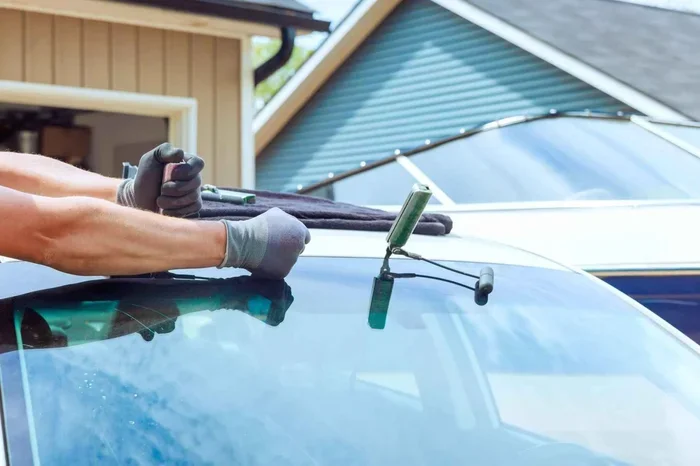
The new glass is carefully positioned into the frame. The technician applies fresh urethane adhesive around the perimeter. The glass is pressed firmly into place and held with clips or tape while the adhesive cures. Proper installation is critical for both safety and weatherproofing.
Step 5: Curing and ADAS Calibration
The adhesive needs time to cure fully. Most technicians recommend keeping the vehicle still for at least one hour, though full cure can take up to 24 hours. During this time, avoid rolling down windows or driving the car.
For modern vehicles equipped with ADAS (Advanced Driver Assistance Systems), the technician will also need to perform ADAS calibration after the replacement. This ensures that features like lane departure warning and automatic emergency braking work correctly with the new windshield.
How Much Does Car Glass Replacement Cost?
The cost of car glass replacement varies widely depending on several factors. Understanding these factors helps you budget and avoid surprises.
Factors That Affect Cost
- Vehicle Make and Model: Luxury and specialty vehicles have more complex windshields with built-in sensors, heating elements, or special tinting. These cost more to replace.
- Glass Type: OEM glass typically costs 20-40% more than aftermarket options.
- ADAS Features: Vehicles with ADAS sensors near the windshield require calibration, adding $100-$300 to the total cost.
- Location: Prices vary by region and the specific shop you choose.
- Additional Services: Some shops include mobile service, which adds a convenience fee.
Average Cost Breakdown
For a standard sedan, windshield replacement typically costs between $200 and $400 without insurance. For trucks and SUVs, the range is $250 to $500. Luxury vehicles can go $600 or more. Side window and rear window replacements are generally less expensive, ranging from $100 to $350.
The best way to get an accurate price is to contact a local auto glass shop for a quote. Many shops offer free estimates and can assess your specific vehicle and damage.
Should You File an Insurance Claim?
If you have comprehensive insurance coverage, your policy likely covers car glass replacement with no deductible. This means you pay nothing out of pocket. Filing a claim is usually the smart move because it costs you nothing and keeps your wallet happy.
Here’s what to keep in mind:
- Check your policy details before filing. Some policies have glass-specific coverage limits.
- Ask the auto glass shop if they handle insurance claims directly. Many shops will bill your insurance company for you.
- Filing a glass claim typically doesn’t raise your insurance premiums since it’s not considered an at-fault accident.
- Keep all documentation and get a written estimate before proceeding.
If you don’t have insurance or your deductible is high, paying out of pocket might be the better option. Compare quotes from a few different auto glass shops to find the best deal.
Common Mistakes to Avoid During Car Glass Replacement
Even with a good technician, there are common pitfalls that can affect the quality and longevity of your replacement glass. Knowing these mistakes helps you avoid them.
Skipping ADAS Calibration
This is the most common and most dangerous mistake. If your vehicle has ADAS features, replacing the windshield without recalibrating the sensors can disable safety systems. Your lane departure warning, automatic braking, and adaptive cruise control may stop working. Always confirm that your technician performs ADAS calibration as part of the replacement process.
Using the Wrong Adhesive
Not all urethane adhesives are created equal. Some require specific curing times or primer applications. Using the wrong adhesive can result in a weak bond that fails under stress. Trust your technician’s expertise and don’t try to cut corners with cheaper products.
Rushing the Curing Process
It’s tempting to roll down your windows or drive away immediately after replacement. Resist this urge. The adhesive needs proper curing time to reach full strength. Driving too soon can compromise the bond and create a safety hazard. Wait at least one hour, and ideally 24 hours, before driving normally.
Ignoring Small Damage
Many drivers put off fixing a small chip because it doesn’t seem like a big deal. But small damage spreads quickly due to temperature changes, vibration, and road conditions. What starts as a tiny rock chip can turn into a full crack within days. Address damage early, and you might save yourself the cost of full car glass replacement.
Choosing Price Over Quality
It’s natural to want to save money, but the cheapest option isn’t always the best. Low-quality glass or poor installation can lead to leaks, wind noise, and even safety issues. Look for certified technicians and reputable auto glass shops with good reviews.
Quick Tips for Car Glass Replacement Success
- Get quotes from at least three different shops before deciding.
- Ask whether the shop uses OEM or aftermarket glass and understand the difference.
- Confirm that ADAS calibration is included if your vehicle has safety sensors.
- Check online reviews and ratings for the auto glass shop before booking.
- Ask about warranties on both the glass and the installation work.
- If replacing a side or rear window, ask about car window tint matching services.
- Keep your vehicle parked in a sheltered area for 24 hours after replacement to allow proper curing.
How to Find a Reliable Auto Glass Shop
Finding the right shop for your car glass replacement can make all the difference. Here are some tips to help you choose a shop you can trust:
- Look for certifications like AGRSS (Auto Glass Replacement Safety Standard) or ASE certification.
- Read customer reviews on Google, Yelp, and other platforms.
- Ask friends, family, or coworkers for recommendations.
- Check if the shop offers a lifetime warranty on their work.
- Verify that they use fresh, properly stored adhesive products.
- Ask about their process for handling insurance claims.
- Visit the shop in person if possible to see their equipment and professionalism.
A good shop will walk you through every step of the process, answer your questions patiently, and make you feel confident in their work. Don’t be afraid to ask about their experience with your specific vehicle model or damage type.
Remember, your windshield is one of the most important safety features on your vehicle. Taking the time to find a quality shop for your auto glass replacement pays off in safety, durability, and peace of mind.
Conclusion
Car glass replacement is a task that demands attention, knowledge, and the right professional. From understanding the different types of glass to knowing when to repair versus replace, every decision you make affects your safety and your wallet. The process itself is straightforward when handled by a certified technician, and the results are well worth the investment.
Don’t ignore small chips or cracks. Address damage quickly, choose quality glass and installation, and always confirm that ADAS calibration is performed when needed. Your windshield protects you in ways you might not even realize, and keeping it in top condition is one of the best things you can do for your vehicle.
Whether you’re dealing with a rock chip from the highway or a full shattered window after an accident, you now have the knowledge to handle the situation with confidence. Take action today, and drive safely knowing your car glass is in great shape.
For more tips on caring for your car’s exterior and interior, check out our guide on 30 unwanted things you can remove from car glass to keep your vehicle looking its best. Also, if you’re dealing with car windshield stickers that need removal before replacement, our car windshield stickers guide has everything you need to know.
Frequently Asked Questions
How long does car glass replacement take?
A typical windshield replacement takes about 30 to 60 minutes. Side and rear window replacements are usually faster, often completed in 20 to 40 minutes. However, if your vehicle requires ADAS calibration, add an extra 30 to 60 minutes to the total time.
Can I drive immediately after car glass replacement?
No, you should wait at least one hour before driving. Most technicians recommend waiting 24 hours for the adhesive to fully cure. Driving too soon can weaken the bond and compromise the seal, which affects both safety and weatherproofing.
Does insurance cover car glass replacement?
Most comprehensive insurance policies cover windshield replacement with no deductible. You should check with your specific insurance provider to confirm your coverage. Many auto glass shops will handle the insurance claim process for you directly.
How much does car glass replacement cost without insurance?
Without insurance, windshield replacement typically costs between $200 and $400 for a standard sedan. Side and rear windows range from $100 to $350. Luxury vehicles and those with ADAS sensors will cost more due to calibration requirements and specialized glass.
Can a cracked windshield be repaired instead of replaced?
Small chips and cracks under three inches can often be repaired. Repairs are faster, cheaper, and preserve your original glass. However, cracks longer than six inches, cracks near the edge of the windshield, or damage in the driver’s line of sight usually require full replacement.
What is ADAS calibration and why is it needed after glass replacement?
ADAS calibration is the process of recalibrating your vehicle’s safety sensors after a windshield replacement. Modern vehicles use cameras and sensors mounted near the windshield for features like lane departure warning and automatic emergency braking. If these sensors aren’t recalibrated after glass replacement, those safety features may not work correctly.