Can an Engine Survive Overheating Without Major Damage
Yes, an engine can sometimes survive overheating, but the damage depends on how hot it got and how long it lasted. Modern engines have tolerances, but sustained high temperatures can warp cylinder heads, blow head gaskets, and even cause engine seizure. Knowing the signs early and acting fast can mean the difference between a small fix and a full engine replacement.
Your car’s engine runs hot. That is by design. Combustion generates extreme heat, and your cooling system works hard to keep things in check. But what happens when the temperature climbs too high? Can an engine survive overheating without suffering permanent harm?
The short answer is it depends. A brief spike in temperature might cause no real damage at all. But if your engine stays hot for too long, the consequences can be severe. Warped parts, blown gaskets, and even a seized engine are all on the table. In this article, we will walk you through exactly what happens when an engine overheats, how to spot the warning signs, and what you can do to minimize the damage.
Whether you have been stranded on the side of the road with a steamy hood or you are just trying to stay ahead of potential problems, this guide has you covered. We will break down the science, the symptoms, the costs, and the prevention steps in plain, easy-to-understand language. No mechanic jargon. No fluff. Just the facts you need to protect your engine and your wallet.
Key Takeaways
- Act Fast: Pulling over immediately when you notice overheating signs can prevent catastrophic engine damage.
- Know the Causes: Low coolant, a broken thermostat, or a failed water pump are the most common reasons engines overheat.
- Damage Varies: Minor overheating may cause no lasting harm, while prolonged overheating can warp the cylinder head or crack the engine block.
- Don’t Ignore Warning Lights: The temperature gauge and warning light are your first line of defense against heat damage.
- Regular Maintenance Helps: Routine coolant flushes and radiator checks can prevent most overheating issues before they start.
- Repair Costs Range Widely: Fixing an overheated engine can cost anywhere from $100 for a thermostat to $4,000+ for a blown head gasket.
📑 Table of Contents
- What Happens When an Engine Overheats
- Common Causes of Engine Overheating
- Signs Your Engine Is Overheating
- Can an Engine Fully Recover From Overheating?
- How to Prevent Engine Overheating
- Overheating Repair Costs: What to Expect
- Quick Tips for Emergency Overheating Situations
- Expert Insights on Engine Heat Management
- Key Takeaways
- Conclusion
What Happens When an Engine Overheats
Engines operate within a specific temperature range, usually between 195°F and 220°F. When the temperature climbs beyond that range, things start to go wrong fast. The cooling system is designed to manage heat, but it has limits. Once those limits are exceeded, damage begins to accumulate.
The Science Behind Engine Heat
Your engine generates heat through combustion. The coolant absorbs that heat and carries it to the radiator, where it dissipates into the air. When this system fails or becomes overwhelmed, heat builds up inside the engine block. Metals expand under extreme heat, and that expansion causes real mechanical problems.
Think of it like a balloon filled with too much air. At first, it stretches a little and handles the pressure. But push it too far, and it pops. Your engine works the same way. Components expand, tolerances shrink, and metal parts that should glide past each other start grinding and warping.
How Long Is Too Long?
This is the question most drivers want answered. The truth is, a few seconds of high temperature usually will not cause lasting harm. But if your temperature gauge stays in the red for more than a few minutes, you are in the danger zone. Here is a general timeline:
- 0-2 minutes in the red zone: Likely no permanent damage. Your engine can handle brief spikes.
- 2-5 minutes in the red zone: You risk stressing the head gasket and causing minor coolant loss.
- 5+ minutes in the red zone: Serious damage becomes likely. Warped heads, blown gaskets, and potential engine seizure are real risks.
If you ever find yourself in this situation, check out our guide on what to do when a car won’t start after overheating. It covers the immediate steps you should take to protect your engine.
Common Causes of Engine Overheating
Understanding why engines overheat is the first step toward preventing it. Several factors can push your engine temperature beyond safe limits. Let us look at the most common culprits.
Low Coolant Levels
This is the number one cause of overheating. Coolant is the lifeblood of your engine’s cooling system. When levels drop too low, there is not enough fluid to absorb and transfer heat. Coolant leaks happen over time. Hoses crack, radiators develop pinholes, and water pumps wear out. Regularly checking your coolant level is one of the simplest things you can do to prevent overheating.
Thermostat Failure
The thermostat regulates the flow of coolant through your engine. When it opens and closes at the right temperatures, your engine stays in its sweet spot. But when a thermostat sticks closed, coolant cannot circulate. Heat builds up fast, and your temperature gauge starts climbing. Thermostat replacement is inexpensive and straightforward, which makes this an easy fix if you catch it early.
Water Pump Breakdown
The water pump circulates coolant through the engine and radiator. Without it, the cooling system is essentially useless. Water pumps fail over time, especially as mileage climbs. Signs of a failing water pump include coolant leaks near the front of the engine, whining noises, and visible corrosion on the pump housing.
Radiator Problems
Your radiator releases heat from the coolant into the surrounding air. If the radiator is clogged, damaged, or the cooling fan is not working properly, heat cannot escape. This causes coolant temperatures to rise and the engine to overheat. Hot weather can make radiator problems even worse, since the ambient temperature already works against heat dissipation.
Head Gasket Failure
A blown head gasket is both a cause and a consequence of overheating. The head gasket seals the cylinder head to the engine block, keeping coolant and oil in their proper channels. When it fails, coolant can leak into combustion chambers, oil passages, or the outside of the engine. This leads to overheating, which then causes more gasket damage. It is a vicious cycle that needs immediate attention.
Signs Your Engine Is Overheating
Catching overheating early is critical to preventing major damage. Your car gives you several warning signs before things get really bad. Knowing these signals can save you hundreds or even thousands of dollars in repairs.
Temperature Gauge in the Red
The most obvious sign is your temperature gauge climbing into the red zone on the dashboard. Do not ignore this. Many drivers see the needle move and assume it will come back down on its own. Sometimes it does. But sometimes it does not, and every minute you wait increases the risk of serious damage.
Steam or Smoke from the Hood
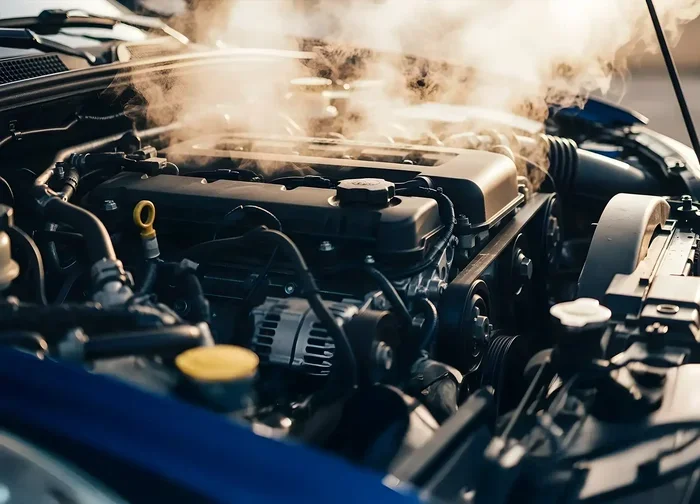
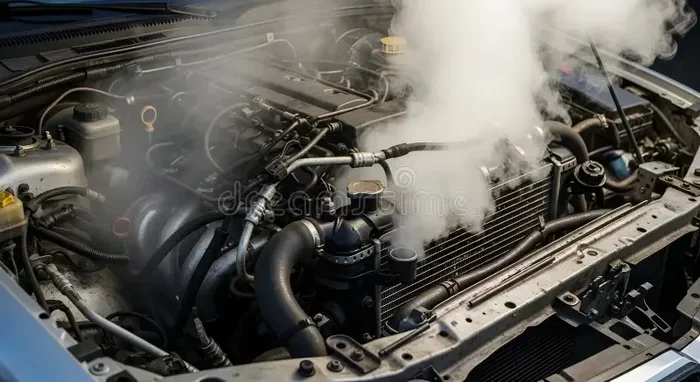
If you see steam or smoke billowing from under your hood, your engine is overheating. Coolant is likely boiling and leaking onto hot engine components. Pull over safely as soon as possible. Do not open the hood immediately, as hot coolant can cause burns. Let the engine cool for at least 15 minutes before checking anything.
Unusual Smells
Your nose can tell you a lot about what is happening under the hood. A sweet, syrupy smell usually means coolant is leaking and hitting hot surfaces. A burning smell could indicate oil leaking onto the engine block. Both situations demand immediate attention.
Coolant Leaks Under the Car
Puddles of green, orange, or pink fluid under your parked car are a clear sign of a coolant leak. Check your parking spot regularly. A small drip today can become a major problem tomorrow if the coolant level drops too low.
Engine Warning Light
Modern cars have temperature warning lights on the dashboard. If this light illuminates, do not keep driving. Pull over, turn off the engine, and let things cool down. Continuing to drive with the warning light on dramatically increases the risk of catastrophic engine failure.
Can an Engine Fully Recover From Overheating?
This is where things get nuanced. The answer depends entirely on how severe the overheating was and how quickly you responded. Let us break it down by damage level.
Minor Overheating: No Lasting Damage
If the temperature spiked briefly and you caught it early, your engine may have suffered zero permanent damage. In these cases, simply topping off the coolant and addressing the root cause is all you need. Many drivers experience a one-time overheating event and never have problems again, as long as they fix the underlying issue.
Moderate Overheating: Repairable Damage
Longer overheating episodes can cause damage that is repairable but costly. A blown head gasket, a cracked radiator hose, or a failing water pump all fall into this category. These repairs are doable and your engine can live a long life after them. The key is getting the work done promptly and not continuing to drive on a damaged engine.
For more on related issues, check out whether you can still drive with engine trouble codes to understand how engine problems can affect your ability to keep driving safely.
Severe Overheating: Potential Engine Failure
When an engine overheats for an extended period, the damage can be devastating and irreversible. Here is what can happen:
- Warped Cylinder Head: The aluminum head warps under extreme heat, compromising the seal between the head and the engine block.
- Cracked Engine Block: In the worst cases, the engine block itself can crack, leading to coolant mixing with oil and catastrophic failure.
- Engine Seizure: Extreme heat causes metal parts to expand and fuse together. A seized engine means the car is done until a full engine rebuild or replacement.
- Piston Damage: Pistons can seize in their cylinders, cracking the walls and rendering the engine unusable.
At this level of damage, the cost of repair often exceeds the value of the vehicle. This is why early intervention is so important.
How to Prevent Engine Overheating
Prevention is always cheaper and easier than repair. A few simple habits can keep your engine running cool and your wallet happy. Here are the most effective steps you can take.
Regular Coolant Checks and Flushes
Check your coolant level at least once a month. Look for the overflow reservoir under the hood and verify the level is between the minimum and maximum marks. Also, follow your vehicle’s maintenance schedule for coolant flushes. Old coolant loses its effectiveness over time and can cause corrosion inside the cooling system.
Monitor Your Temperature Gauge
Get in the habit of glancing at your temperature gauge while driving. It should sit comfortably in the middle of the normal range. If you notice it creeping upward, take action immediately. Turn off the air conditioning and turn on the heater to help draw heat away from the engine.
Address Leaks Promptly
Do not ignore coolant puddles, steam, or unusual smells. Every leak, no matter how small, reduces your cooling system’s effectiveness. A hose replacement costs very little compared to a full engine rebuild.
Keep the Radiator Clean
Debris, bugs, and dirt can block airflow through the radiator, reducing its ability to cool the coolant. Hose down the front of your radiator periodically, especially after driving on dirt roads or through areas with lots of insects.
Replace Old Hoses and Belts
Coolant hoses and drive belts wear out over time. They become brittle, crack, and eventually fail. Inspect them regularly and replace them according to your vehicle’s maintenance schedule. This is a cheap and easy way to prevent overheating caused by a sudden hose rupture.
Overheating Repair Costs: What to Expect
Repair costs for an overheated engine vary widely depending on the damage. Here is a general breakdown to help you budget and make informed decisions.
| Repair | Estimated Cost | Severity |
|---|---|---|
| Thermostat Replacement | $100 – $300 | Low |
| Water Pump Replacement | $300 – $750 | Moderate |
| Radiator Hose Replacement | $50 – $150 | Low |
| Head Gasket Repair | $1,000 – $3,000 | High |
| Cylinder Head Resurfacing | $200 – $500 | Moderate |
| Engine Replacement | $4,000 – $8,000+ | Critical |
As you can see, the cost escalates dramatically the longer you wait. A simple thermostat fix costs a few hundred dollars. A full engine replacement can cost more than the car is worth. The message is clear: do not ignore overheating.
Quick Tips for Emergency Overheating Situations
If you are currently dealing with an overheating engine, here is what you should do right now:
- Pull over safely and turn off the engine immediately. Continuing to drive will only make things worse.
- Do not open the radiator cap right away. Pressurized hot coolant can spray out and cause serious burns. Wait at least 15 minutes.
- Turn on the heater to full blast. This sounds counterintuitive, but it helps pull heat from the engine into the cabin.
- Check the coolant level once the engine has cooled. If it is low, add a 50/50 mix of coolant and water if you have it available.
- Call for roadside assistance if needed. Do not try to drive a severely overheating engine to the nearest shop. You risk turning a repairable problem into a total loss.
Expert Insights on Engine Heat Management
Experienced mechanics will tell you that most overheating incidents are preventable. Regular maintenance, attentive driving, and prompt response to warning signs make a huge difference. The cooling system is one of the most overlooked maintenance items, and that neglect is what turns minor issues into major repairs.
One mechanic we spoke with put it simply: “The engine doesn’t fail because it got hot once. It fails because it got hot repeatedly without anyone paying attention.” That is a powerful reminder that small problems snowball fast when ignored.
Another common mistake drivers make is topping off coolant without finding the leak. Coolant does not disappear on its own. If you are constantly low, there is a leak somewhere that needs to be found and fixed. Ignoring it means you are just buying time before a more serious problem develops.
Key Takeaways
- Act Fast: Pulling over immediately when you notice overheating signs can prevent catastrophic engine damage.
- Know the Causes: Low coolant, a broken thermostat, or a failed water pump are the most common reasons engines overheat.
- Damage Varies: Minor overheating may cause no lasting harm, while prolonged overheating can warp the cylinder head or crack the engine block.
- Don’t Ignore Warning Lights: The temperature gauge and warning light are your first line of defense against heat damage.
- Regular Maintenance Helps: Routine coolant flushes and radiator checks can prevent most overheating issues before they start.
- Repair Costs Range Widely: Fixing an overheated engine can cost anywhere from $100 for a thermostat to $4,000+ for a blown head gasket.
Conclusion
So, can an engine survive overheating? The honest answer is yes, but only if you catch it early and respond quickly. A brief temperature spike is something most engines can handle just fine. But sustained overheating will cause serious, often irreversible damage that can end your engine’s life prematurely.
The best thing you can do is stay proactive. Check your coolant levels, watch your temperature gauge, and never ignore warning signs. Your cooling system works hard for you every time you turn the key. Returning the favor with regular maintenance and prompt attention to problems will keep your engine running strong for years to come.
Remember, an overheating engine is your car telling you something is wrong. Listen to it. The cost of a simple repair today is nothing compared to the cost of a new engine tomorrow. Take care of your engine, and it will take care of you.
Frequently Asked Questions
Can you drive a car after it overheats?
You should not drive a car that has recently overheated. Allow the engine to cool completely before checking coolant levels and looking for visible leaks. Driving a hot engine can turn minor damage into a complete engine failure. If the overheating was severe, have a mechanic inspect it before driving again.
How much does it cost to fix an overheated engine?
Costs range from around $100 for a simple thermostat replacement to over $4,000 for a blown head gasket or engine replacement. The final cost depends entirely on how long the engine was overheating and what components were damaged. Catching the problem early always saves money.
What should I do if my car starts overheating on the highway?
Pull over to a safe location immediately and turn off the engine. Turn on the heater to help draw heat away. Do not open the radiator cap until the engine has cooled for at least 15 minutes. Call for roadside assistance if you cannot safely address the issue yourself.
Can low oil cause an engine to overheat?
Yes. Oil lubricates engine components and helps absorb heat. When oil levels are too low, friction increases and heat builds up faster than the cooling system can handle. Keeping your oil at the proper level is an essential part of preventing engine overheating.
Is it normal for the temperature gauge to fluctuate slightly?
Minor fluctuations are normal, especially in cold weather or during heavy loads. However, if the gauge consistently climbs into the red zone or spikes suddenly, that is not normal and requires immediate attention. A steady needle in the middle of the gauge is what you want to see.
Can overheating cause permanent engine damage?
Yes, prolonged overheating can cause permanent damage including warped cylinder heads, cracked engine blocks, blown head gaskets, and seized pistons. The extent of the damage depends on how hot the engine got and for how long. This is why acting quickly at the first sign of overheating is absolutely critical.