Can I Reset My Own TPMS Sensor Without Any Mechanic
Yes, you can reset your own TPMS sensor in most cases without a mechanic. Whether your tire pressure monitoring system light is on after a rotation or a temperature change, a simple TPMS reset often solves the problem. This guide walks you through every method, from dashboard buttons to OBD-II tools, so you can save time and money.
That little yellow light on your dashboard shaped like a horseshoe with an exclamation mark can really throw you off. You are driving along, minding your own business, and suddenly the TPMS light pops on. Your first thought might be, “Do I need to rush to the mechanic?” The answer is not always yes. In many cases, you can handle a TPMS reset right from your own driveway.
A tire pressure monitoring system is designed to keep you safe. It alerts you when one or more tires are underinflated. But sometimes that light stays on even when your tires are fine. Temperature changes, a recent tire rotation, or a simple sensor glitch can all trigger it. Learning how to reset it yourself saves you time, money, and a trip you probably do not need to make.
This article covers everything you need to know about resetting your own tire pressure sensor. We will walk through the different methods, explain when a reset works and when it does not, and share practical tips to keep your system running smoothly. Let us get into it.
Key Takeaways
- DIY Reset Is Possible: Most vehicles let you reset the TPMS sensor yourself using the dashboard, a button, or a scan tool.
- Multiple Methods Exist: You can use the infotainment system, a physical button under the steering wheel, or a handheld TPMS tool.
- Know When to Call a Pro: If the light stays on after a reset, you may have a dead sensor battery or a leak that needs attention.
- Prevention Matters: Regular tire maintenance and proper inflation keep your TPMS working reliably.
- Cost Savings: Resetting the sensor yourself avoids a $50 to $150 dealership or shop visit.
- Safety First: Always check actual tire pressure with a gauge before resetting the system.
📑 Table of Contents
- What Is a TPMS Sensor and How Does It Work?
- Can You Actually Reset a TPMS Sensor Yourself?
- How to Reset Your TPMS Sensor: Step-by-Step Methods
- Common TPMS Problems and How to Fix Them
- When Should You Call a Mechanic Instead?
- Tips to Keep Your TPMS Sensor Working Long-Term
- Quick Tips for a Successful TPMS Reset
- Expert Insight: Why DIY TPMS Resets Are Worth Learning
- Key Takeaways
What Is a TPMS Sensor and How Does It Work?
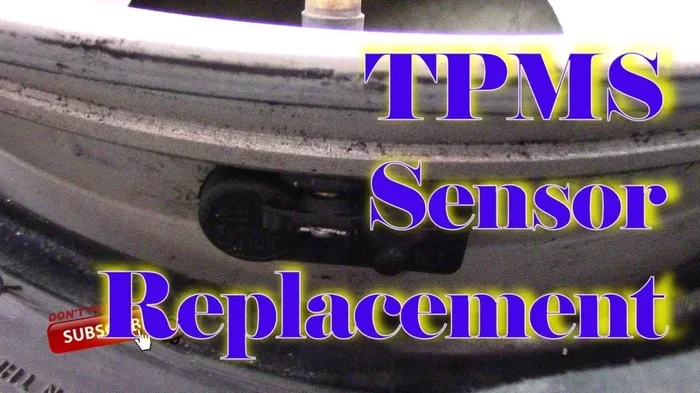
Before you can reset anything, it helps to understand what the TPMS sensor actually does. The tire pressure monitoring system uses small sensors inside each tire, usually attached to the valve stem. These sensors measure the air pressure inside the tire and send a wireless signal to your car’s computer.
When the pressure drops below a safe level, the system triggers the warning light on your dashboard. There are two main types of systems you might find:
- Direct TPMS: This type uses a physical sensor inside each tire. It gives a precise tire pressure reading for each wheel individually. Most modern cars use this system.
- Indirect TPMS: This type does not use a physical sensor inside the tire. Instead, it relies on the wheel speed sensors already in your car. It detects a difference in rolling circumference caused by low pressure. This system is more common in older or budget vehicles.
Both systems serve the same purpose: keeping your tires properly inflated for safety, fuel efficiency, and even tire longevity. Underinflated tires can reduce gas mileage, cause uneven wear, and increase the risk of a blowout. So that little warning light is actually doing important work.
Why Does the TPMS Light Come On?
The tire pressure warning light can turn on for several reasons. Some are simple and easy to fix. Others might need a closer look. Here are the most common causes:
- Temperature drops: Cold weather causes the air inside tires to contract, lowering the pressure. This is especially common in fall and winter.
- A slow leak: A small puncture or a loose valve stem can let air out slowly over time.
- Recent tire service: After a tire rotation or replacement, the system sometimes needs a manual reset.
- Dead sensor battery: Each TPMS sensor has a small battery that typically lasts five to ten years. When it dies, the sensor stops transmitting.
- Sensor damage: Road debris, corrosion, or impact can damage a sensor.
- System glitch: Sometimes the car’s computer just needs a refresh, and a simple reset clears the issue.
Understanding why the light came on helps you decide whether a DIY reset will work or if you need professional help. For example, if a sensor battery is dead, no amount of resetting will fix it. You will need a replacement.
Can You Actually Reset a TPMS Sensor Yourself?
The short answer is yes. Most vehicles manufactured after 2007 come with a TPMS reset function that the driver can access. Car manufacturers design these systems to be user-friendly. You do not need special training or expensive tools to do it in most cases.
However, the exact method depends on your vehicle make, model, and year. Some cars let you reset the system through the dashboard menu. Others have a physical button under the steering column. A few models require a specific sequence of actions. We will cover the most common methods below.
Before you begin any reset procedure, make sure your tires are inflated to the recommended pressure. You can find this number on a sticker inside the driver’s door frame or in your owner’s manual. Use a reliable tire pressure gauge to check each tire, including the spare if your vehicle has one.
If you have ever reset your Volkswagen computer before, you will find that a TPMS reset follows a similar logic. It is all about telling the car’s computer to relearn the current sensor values.
How to Reset Your TPMS Sensor: Step-by-Step Methods
There are several ways to perform a TPMS reset. We will cover the most common methods so you can find the one that works for your vehicle.
Method 1: Dashboard Button Reset
This is the most common method and works on many Ford, Chevrolet, Honda, Toyota, and Nissan models. Here is how to do it:
- Park your car and turn the ignition to the “on” position. Do not start the engine.
- Locate the TPMS reset button. It is usually under the steering wheel or on the left side of the dashboard.
- Press and hold the button until the TPMS light on the dashboard blinks three times.
- Release the button and start the engine.
- Drive the car for about 20 minutes at speeds above 20 mph. The system will relearn the sensor readings.
- The light should turn off once the reset is complete.
If the light stays on, try the method again. Sometimes it takes a second attempt, especially if the tires were very low on pressure before you inflated them.
Method 2: Infotainment System Reset
Many newer vehicles, especially those from luxury brands, let you reset the TPMS through the infotainment screen. This method is common in BMW, Audi, Mercedes-Benz, and Tesla vehicles. Here is the general process:
- Press the menu or settings button on your infotainment screen.
- Navigate to the vehicle settings or tire maintenance section.
- Look for a “TPMS Reset” or “Reset Tire Pressure Monitor” option.
- Select it and follow the on-screen prompts.
- Drive the car for a few minutes to allow the system to recalibrate.
If you are not sure where to find this option, your owner’s manual will have the exact steps. You can also check the infotainment system for a “vehicle health” or “tire care” section.
Method 3: Using an OBD-II Scan Tool
An OBD-II scan tool is a small device that plugs into your car’s diagnostic port. This port is usually located under the steering column. You can buy a basic scan tool for under $30 at most auto parts stores. Here is how to use it:
- Plug the scan tool into the OBD-II port.
- Turn the ignition to the “on” position.
- Follow the tool’s menu to find the TPMS reset option.
- Select “Reset TPMS” and wait for the tool to confirm the reset.
- Drive the car for 10 to 20 minutes to complete the relearning process.
This method works well if your car does not have a dashboard button or infotainment reset option. It also lets you read any error codes stored in the system, which can help you diagnose deeper issues. If you have ever needed to retrieve a code using your VIN, using a scan tool for TPMS follows a similar approach to accessing vehicle data.
Method 4: The Manual Drive Method
Some vehicles do not have a dedicated reset button or menu option. Instead, the system resets itself automatically after you drive a certain distance at a certain speed. This method works like this:
- Inflate all tires to the recommended pressure.
- Drive the car at a steady speed of 30 to 50 mph for at least 10 to 15 minutes.
- The system should automatically recalibrate and turn off the light.
This method is the simplest but also the slowest. It works best when the light came on due to a minor pressure fluctuation, like a cold morning or a short trip.
Common TPMS Problems and How to Fix Them
Sometimes a reset does not fix the problem. The light may come back on shortly after you clear it. Here are some common issues and what they mean.
TPMS Light Comes Back Immediately
If the light returns right after a reset, you likely have a real pressure problem. One or more tires are still underinflated. Go back and check each tire with a tire pressure gauge. Do not rely on what you think the pressure might be. Get an accurate reading.
Also, check for visible damage to the tire or the valve stem. A cracked valve stem or a bead leak can cause a slow loss of air that is hard to notice without a gauge. If you find a leak, you may need a tire patch or a valve stem replacement.
TPMS Light Flashes Before Staying On
A flashing TPMS light usually indicates a malfunction with the system itself, not a pressure issue. This often means one or more sensors are not communicating with the car’s computer. Common causes include:
- A dead sensor battery that needs replacement.
- A sensor that was damaged during a tire change or rotation.
- A programming issue after installing aftermarket tires or wheels.
In these cases, a simple reset will not help. You may need to replace the sensor or reprogram it. A mechanic with a proper scan tool can handle this quickly.
TPMS Light After Tire Rotation
It is very common for the TPMS light to come on after you rotate your tires. This happens because the sensors move to different wheels, and the system needs to relearn their positions. A reset fixes this in almost all cases. Just make sure your tires are properly inflated before you reset the system.
If you are getting your tires rotated regularly, you can also ask the service technician to perform the TPMS relearn as part of the service. Many tire shops do this for free.
When Should You Call a Mechanic Instead?
Resetting the TPMS yourself works in most situations. But there are times when you should let a professional handle it. Here are clear signs that it is time to visit a shop:
- The light stays on after multiple reset attempts: This suggests a deeper problem, like a failed sensor or a wiring issue.
- You have a dead sensor battery: Sensor batteries cannot be replaced separately in most designs. The entire sensor unit needs to be swapped out.
- You see physical damage to a sensor: If a sensor is cracked or corroded, it will not work correctly no matter how many times you reset it.
- Multiple sensors are failing: If more than one sensor goes bad at the same time, there may be a system-wide issue that needs professional diagnosis.
- You are unsure about the correct procedure: Every vehicle is different. If you cannot find your reset method in the owner’s manual, a mechanic can handle it in minutes.
There is no shame in calling a professional. Sometimes the issue is beyond a simple reset, and trying to force it can make things worse. A qualified technician can diagnose the problem quickly and get you back on the road safely.
On the other hand, if you have already checked your tire pressure, inflated everything correctly, and the light just will not go away, a quick visit to a tire shop for a tire service is usually all you need. Most shops will perform a TPMS reset as part of their standard service.
Tips to Keep Your TPMS Sensor Working Long-Term
Taking care of your tire pressure monitor can extend its life and prevent annoying warning lights. Here are some practical tips:
- Check your tire pressure monthly: A regular check catches slow leaks before they trigger the TPMS light. Use a quality digital gauge for the most accurate readings.
- Keep your valve stems capped: The small plastic caps on your valve stems protect the sensor from dirt, moisture, and debris. Replace them if they are missing.
- Replace sensor batteries on schedule: Most TPMS sensor batteries last five to ten years. If your car is older, consider having the batteries checked during routine tire service.
- Avoid hitting potholes and curbs: Impact damage is one of the leading causes of sensor failure. Drive carefully, especially on rough roads.
- Use the correct tires: Tires that are the wrong size or type can cause the TPMS system to malfunction. Always match your tires to your vehicle specifications.
- Read your owner’s manual: It contains the exact TPMS reset procedure for your specific vehicle. It also lists the recommended tire pressure for your model.
Following these simple habits keeps your tire maintenance routine smooth and your TPMS system reliable. A well-maintained sensor gives you accurate readings and peace of mind every time you drive.
Quick Tips for a Successful TPMS Reset
Here are a few quick tips to keep in mind before you start your TPMS reset:
- Always inflate your tires to the correct pressure before resetting. The recommended pressure is on the driver’s door sticker.
- Make sure the ignition is in the “on” position, not the “start” position, when pressing the reset button.
- Drive at highway speeds for at least 10 minutes after the reset to let the system fully relearn.
- If your car has been sitting for a long time, check all four tires and the spare before resetting.
- Keep your owner’s manual handy. It is the best reference for your specific vehicle’s reset procedure.
These small steps make a big difference. They help ensure the reset sticks and the light stays off.
Expert Insight: Why DIY TPMS Resets Are Worth Learning
Knowing how to reset your own TPMS sensor is a valuable skill for any car owner. It puts you in control of a simple maintenance task that would otherwise cost you a trip to the shop. Most resets take less than five minutes and require no special equipment.
Think of it like learning how to check your oil or jump-start a battery. These are small skills that save you time and money over the life of your vehicle. The TPMS reset is one of the easiest car maintenance tasks you can learn, and it applies to almost every modern vehicle on the road today.
That said, do not hesitate to seek help when you need it. If the reset does not work or the light keeps coming back, a professional diagnosis is the smart move. Trusting a mechanic for complex issues is just good car ownership.
Key Takeaways
- Resetting your TPMS sensor yourself is simple and doable: Most vehicles offer a dashboard button, infotainment menu, or drive-based reset method that anyone can use.
- Check tire pressure first: Always verify that your tires are at the correct inflation level before attempting a reset. A reset will not fix an actual leak.
- Multiple reset methods exist: The dashboard button, infotainment system, OBD-II scan tool, and manual drive method all work depending on your vehicle.
- Know when to call a mechanic: If the light stays on after multiple attempts, you may have a dead sensor battery, a damaged sensor, or a wiring issue that needs professional attention.
- Regular maintenance prevents problems: Monthly pressure checks, valve stem caps, and timely sensor battery replacements keep your TPMS working reliably.
- It saves you money: A DIY reset costs nothing and takes just a few minutes, while a shop visit can run $50 or more for the same task.
Frequently Asked Questions
Can I reset my TPMS sensor without any special tools?
Yes, in most vehicles you can reset the TPMS sensor using just the dashboard button or the infotainment system. No special tools are required. However, an OBD-II scan tool can be helpful if your car does not have a manual reset option. These tools are affordable and widely available at auto parts stores.
How long does a TPMS reset take?
A TPMS reset typically takes about 5 to 10 minutes. The actual reset process is quick, but you need to drive the car for 10 to 20 minutes afterward so the system can relearn the sensor readings. Total time from start to finish is usually under 30 minutes.
Why won’t my TPMS light go off after a reset?
If the light stays on after a reset, it usually means there is an actual pressure issue or a sensor problem. Check all four tires with a pressure gauge and inflate them to the recommended level. If the light still does not go off, you may have a dead sensor battery or a damaged sensor that needs replacement.
How much does it cost to replace a TPMS sensor?
A single TPMS sensor typically costs between $50 and $100 for parts. Labor for installation usually adds another $20 to $50 per sensor. If you replace all four sensors at once, the total cost can range from $200 to $600 depending on your vehicle. Some tire shops include the reset in the service at no extra charge.
Can cold weather trigger the TPMS light?
Yes, cold weather is one of the most common reasons the TPMS light comes on. When temperatures drop, the air inside your tires contracts, which lowers the pressure. This can trigger the warning even if your tires were properly inflated the day before. Inflating the tires to the correct pressure and resetting the system usually resolves the issue.
Is it safe to drive with the TPMS light on?
It is not recommended. The TPMS light means your tire pressure is either too low or the system is malfunctioning. Driving on underinflated tires reduces fuel efficiency, causes uneven tire wear, and increases the risk of a blowout. Check your tire pressure as soon as the light comes on and address the issue before driving long distances.
=== CONCLUSION ===
Resetting your own TPMS sensor without a mechanic is absolutely doable for most vehicle owners. Whether you use the dashboard button, the infotainment menu, or a simple OBD-II scan tool, the process is straightforward and takes just a few minutes. The key is to first make sure your tires are properly inflated, then follow the reset steps for your specific vehicle.
Remember that the TPMS light is there to protect you. It alerts you to pressure issues that can affect your safety, fuel economy, and tire life. When a reset works, it is a quick win. When it does not, it is a signal that something deeper needs attention. In those cases, a visit to a trusted tire shop or mechanic is the right move.
Take a few minutes today to learn how your vehicle handles the TPMS reset. Check your owner’s manual, keep a tire pressure gauge in your glove box, and make tire pressure checks part of your regular routine. These small habits add up to safer driving, better fuel economy, and fewer surprises on the road. Your tire pressure monitoring system is working hard for you, and now you know how to return the favor.