Does the Tesla Model Y Need Snow Chains This Winter
The Tesla Model Y comes with impressive all-wheel drive and advanced traction control, but whether you need snow chains depends on where you live and how harsh your winters are. Snow chains can be a lifesaver for Tesla Model Y owners facing steep or icy roads, even though the vehicle handles light snow remarkably well. Let us break down everything you need to know about winter tire chains for your electric SUV.
Winter is coming. And if you own a Tesla Model Y, you might be wondering whether you need to dig out those snow chains before the first big snowfall. The short answer is: it depends. Your driving habits, your location, and the type of roads you travel all play a role in deciding if Tesla Model Y snow chains are a must-have this season.
The Tesla Model Y is a fantastic electric SUV. It handles well. It accelerates smoothly. And its all-wheel drive system gives you confidence on wet and snowy roads. But confidence does not always mean preparedness. Even the best electric vehicles need extra help when the snow gets deep or the roads get steep. That is where snow chains come into the picture.
In this guide, we will walk you through everything you need to know. We will cover when you actually need chains, how to install them on a Model Y, what the laws say, and whether winter tires might be a better option for you. By the end, you will know exactly what your Tesla needs to stay safe and perform its best this winter.
Key Takeaways
- The Tesla Model Y handles light snow well thanks to its dual-motor AWD system and advanced traction control.
- Snow chains may be required by law in certain mountain regions and states during winter months.
- Installing chains on a Tesla Model Y is possible but requires the right fit and type of chain.
- Winter tires are often a better alternative to chains for daily driving in snowy conditions.
- Cold weather reduces EV range, so planning charging stops is essential for winter road trips.
- Regular winter car care like washing and maintaining tire pressure helps your Model Y perform its best.
📑 Table of Contents
- Understanding the Tesla Model Y in Snowy Conditions
- When Do You Actually Need Snow Chains?
- Legal Requirements for Snow Chains
- How to Install Snow Chains on a Tesla Model Y
- Snow Chains vs. Winter Tires for the Tesla Model Y
- Winter Maintenance Tips for Your Tesla Model Y
- Common Mistakes to Avoid When Using Snow Chains
- Expert Insights on Winter EV Driving
- Conclusion
Understanding the Tesla Model Y in Snowy Conditions
The Tesla Model Y is built with winter driving in mind. Its dual-motor all-wheel drive system sends power to both the front and rear wheels. This gives you excellent grip right out of the box. The vehicle also features traction control and stability management systems that adjust power delivery in real time. These systems help the Model Y navigate light to moderate snow with ease.
But here is the thing. No matter how good a car’s technology is, physics still applies. Snow chains provide mechanical grip that electronic systems simply cannot replicate. When you hit a patch of ice or a steep snowy hill, chains bite into the surface and give you something to hold onto. The Model Y’s traction control can only do so much before the tires start to slip.
How the Model Y’s All-Wheel Drive Works in Snow
The dual-motor setup on the Model Y is one of its biggest selling points. Each motor powers one axle independently. This means the car can adjust how much power goes to the front wheels and how much goes to the rear. If the front wheels start to slip, more power redirects to the rear. It happens in milliseconds.
However, this system relies on the tires having something to grip. On packed snow or ice, even the best all-season tires can lose traction. This is where many drivers start to feel nervous. And this is exactly the moment when snow chains earn their keep. They give the tires a physical edge over the road surface.
Cold Weather and Battery Performance
Cold weather affects every electric vehicle. The Tesla Model Y is no exception. When temperatures drop, the battery does not deliver the same range as it does in warm weather. You might notice a 20 to 40 percent drop in range during the coldest days. This means your driving habits need to change in winter.
Planning charging stops becomes more important. You do not want to be stranded in a snowstorm with a low battery. And if you are using snow chains, remember that they add a small amount of drag. This can reduce your range even further. Keep these factors in mind when planning any winter trips in your Model Y.
When Do You Actually Need Snow Chains?
Not everyone who owns a Tesla Model Y needs snow chains. If you live in a city with well-plowed roads and mild winters, you might never use a set. But if you live in a mountainous area or a region with heavy snowfall, chains could be essential. Let us look at the situations where chains make the most sense.
Mountain Driving and Steep Roads
If you live near mountains or travel through mountain passes in winter, snow chains are often non-negotiable. Many mountain roads have steep grades that even the best AWD system struggles with. Chains give you the extra bite needed to climb without sliding backward. They also help you brake safely on steep downhill stretches.
Some mountain passes require chains by law during certain months. You cannot always rely on your vehicle’s technology alone. The road conditions in these areas can change quickly. One moment the road is clear, and the next moment you are climbing a snow-covered pass where chains are mandatory.
Rural and Unplowed Roads
If your daily commute takes you on rural roads that are not plowed regularly, snow chains become much more important. These roads often have deep snow and ice that stays frozen for weeks. Your Model Y’s AWD system will work hard on these roads, but it might not be enough without chains.
Even if you are an experienced driver, unplowed roads can be unpredictable. Black ice, hidden potholes under snow, and uneven snow depths all create hazards. Chains give you an added layer of safety in these conditions. They help you maintain control when the road surface is anything but ideal.
Emergency Situations and Safety
Sometimes you need chains even if you do not plan on using them. Imagine you get stuck in a snowstorm or your usual route becomes impassable. Having a set of chains in your trunk could be the difference between getting home safely and waiting for a tow truck. It is always better to be prepared, even if you hope you never need them.
Just like knowing how to jump a car in the rain is a valuable winter skill, having snow chains is part of being a prepared driver. You hope you never need either one, but you will be grateful they are there if things go wrong.
Legal Requirements for Snow Chains
Snow chain laws vary from state to state and even from county to county. Some states require chains on certain roads during winter months. Others leave it up to the driver’s judgment. Understanding the laws in your area is crucial before you hit the road this winter.
States That Require Snow Chains
Several states have specific chain requirements for certain roads. California, for example, requires chains on many mountain passes during the winter season. Colorado has similar laws for its high-altitude highways. Washington and Oregon also enforce chain requirements on steep or icy roads.
Some states use chain control levels. Level 1 might mean chains are recommended. Level 2 might mean chains are required for most vehicles. Level 3 could mean all vehicles must have chains regardless of their drivetrain. Always check the current chain control level before traveling through mountain areas in winter.
Tesla-Specific Chain Regulations
Here is an important detail. Some regulations make a distinction between vehicles with advanced traction systems and those without. Tesla vehicles, with their sophisticated AWD and traction control, might be treated differently in some areas. However, this is not universal. You should never assume your Tesla is exempt from chain laws just because it has advanced technology.
Always check the specific regulations for the roads you plan to travel. The rules can change based on current weather conditions and road status. When in doubt, carry chains and install them if required. The fine for not having chains when they are mandatory can be steep, but the real risk is safety.
Chain Control Levels Explained
Understanding chain control levels can save you a lot of trouble. Most states use a three-level system. Level 1 means tire chains or snow tires are required on drive axles. Level 2 means all vehicles except four-wheel drive must carry and use chains. Level 3 means all vehicles must have chains installed, no exceptions.
The Tesla Model Y is a four-wheel drive vehicle, which gives it some advantages. But even four-wheel drive vehicles can be required to carry chains under Level 2 and Level 3 conditions. The key is to stay informed and be ready to comply at any time during winter travel.
How to Install Snow Chains on a Tesla Model Y
If you have decided that snow chains are right for your Tesla Model Y, the next step is learning how to install them properly. The process is straightforward, but it does take some practice. You do not want to figure it out for the first time in a snowstorm.
Choosing the Right Chains for Your Model Y
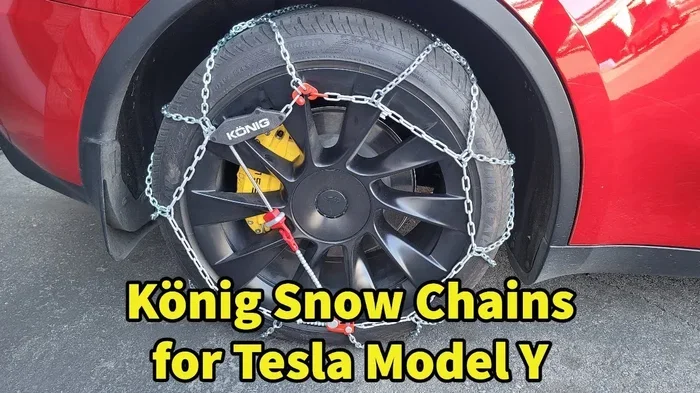
Not all snow chains fit every vehicle. The Tesla Model Y has a specific tire size and wheel well clearance that you need to consider. Chains that are too big can rub against the body or suspension. Chains that are too small will not stay on the tires properly.
Tesla recommends specific chain models for the Model Y in its owner manual. These chains are designed to fit the vehicle’s tires and clear all moving parts. Always check the fitment guide before purchasing. Popular options include cable chains and diamond-pattern chains, both of which work well with the Model Y when sized correctly.
Step-by-Step Installation Guide
Installing chains on your Tesla Model Y is easier than you might think. Here is a simple step-by-step guide to follow:
- Step 1: Park on a flat, stable surface away from traffic. Turn off the vehicle and engage the parking brake.
- Step 2: Lay the chains out on the ground near the tires you will be installing them on.
- Step 3: Drape the chain over the tire, making sure it is centered and the hooks face outward.
- Step 4: Drive forward slowly a few feet to seat the chain onto the tire.
- Step 5: Tighten the chains using the tensioners. Make sure they are snug but not overly tight.
- Step 6: Drive a short distance and re-check the tension. Adjust as needed.
It helps to practice this process at home in your garage before you actually need it in the snow. This way, you will be familiar with the steps and will not feel rushed when conditions are less than ideal.
Tips for Safe Chain Use
Once your chains are installed, there are a few important things to keep in mind. Do not drive over 30 miles per hour with chains on. Chains can damage the road surface and your tires if you go too fast. Also, avoid driving on clear pavement with chains, as this causes unnecessary wear and reduces traction.
Remove your chains as soon as you reach cleared roads. Driving with chains on dry pavement is hard on both the chains and your tires. And if you are heading to a car wash after a snowy drive, remember that you will need to remove the chains first. Getting a car wash in the winter is actually a great way to clean off road salt and grime that can damage your Tesla’s undercarriage and body.
Snow Chains vs. Winter Tires for the Tesla Model Y
Snow chains are not the only option for winter driving. Winter tires are another popular choice, and for many Tesla Model Y owners, they might be the better solution. Let us compare the two options so you can make the best decision for your needs.
Snow Chains: Pros and Cons
Snow chains offer excellent traction in deep snow and on ice. They are relatively affordable and easy to store. Chains can be installed and removed as needed, which means you only use them when conditions truly require them. This makes them a great option for occasional winter drivers or those who travel through mountain passes.
However, chains also have downsides. They can be noisy on pavement. They reduce your vehicle’s range slightly due to added drag. And they require storage space when not in use. Installation can also be tricky in cold or windy conditions. If you are not comfortable getting out of your car in a snowstorm to install chains, this might not be the best option for you.
Winter Tires: Pros and Cons
Winter tires are designed specifically for cold weather driving. The rubber compound stays flexible in low temperatures, which gives you better grip on snow and ice. Winter tires also have specialized tread patterns that channel snow and slush away from the contact patch. For daily driving in snowy conditions, winter tires are often the more convenient choice.
The downside is that winter tires need to be on your car for the entire winter season. This means you need a second set of wheels or swap tires frequently. Winter tires also wear faster in warm weather, so you need to remove them when spring arrives. And the cost of a full set of winter tires plus installation can be higher than a set of chains.
Which Option Is Right for You?
The right choice depends on your driving habits and local conditions. If you only need extra traction occasionally, snow chains are the way to go. If you drive in snow every day, winter tires might be the better investment. Some Tesla owners even use both. They keep winter tires for daily driving and carry chains for mountain trips or emergency situations.
For comparison, think about how different vehicles handle snow. Just as the Alfa Romeo performs in snow depends on its tires and drivetrain, your Tesla Model Y’s winter performance depends on what you put on its wheels. The vehicle is capable, but the right tires or chains make all the difference.
Winter Maintenance Tips for Your Tesla Model Y
Owning a Tesla in winter comes with some unique considerations. Beyond chains and tires, there are several maintenance steps you should take to keep your Model Y running its best during the cold months.
Tire Pressure and Tread Depth
Cold weather causes tire pressure to drop. Check your tire pressure at least once a week during winter. The recommended pressure for the Model Y is listed on the driver’s door jamb. Keeping your tires properly inflated improves both traction and range.
Also check your tread depth regularly. Tires with insufficient tread struggle in snow and rain. The penny test is a simple way to check. Insert a penny into the tread with Lincoln’s head facing down. If you can see the top of his head, your tires are too worn and need replacement.
Cleaning and Road Salt Protection
Road salt is one of the biggest enemies of your Tesla in winter. It causes corrosion on the undercarriage, wheels, and body panels. Regular washing is essential during the winter months. A thorough wash every one to two weeks helps remove salt and prevent long-term damage.
Pay special attention to the undercarriage when washing your Model Y. Salt and grime build up underneath the vehicle and can cause rust over time. Some Tesla owners also apply a ceramic coating or wax before winter to add an extra layer of protection against salt and moisture.
Preconditioning Your Tesla in Cold Weather
One of the best features of the Tesla Model Y is preconditioning. This means warming up the battery and cabin while the car is still plugged in. Preconditioning ensures your battery is at optimal temperature before you start driving, which improves range and performance in cold weather.
You can set preconditioning through the Tesla app on your phone. Simply set the departure time and temperature, and the car will do the rest. This is especially helpful on cold winter mornings when you want a warm cabin and a fully ready battery.
Common Mistakes to Avoid When Using Snow Chains
Even experienced drivers make mistakes with snow chains. Avoiding these common errors will keep you safe and protect your Tesla Model Y from damage.
- Installing chains on the wrong tires. Always install chains on the drive wheels. For most Model Y configurations, this means the front wheels. Check your owner manual to confirm.
- Driving too fast with chains on. Chains are designed for low speeds. Driving over 30 mph can damage the chains, your tires, and the road surface.
- Forgetting to remove chains on clear roads. Driving with chains on dry pavement causes rapid wear and can damage your tires and suspension.
- Using chains that do not fit properly. Chains that are too loose can come off while driving. Chains that are too tight can damage the tires and suspension components.
- Not practicing installation beforehand. Installing chains in a snowstorm is stressful and difficult. Practice at home in your garage so you are ready when it counts.
Avoiding these mistakes keeps you safe and extends the life of both your chains and your Tesla. A little preparation goes a long way when winter weather hits.
Expert Insights on Winter EV Driving
Winter driving in an electric vehicle requires a slightly different mindset than driving a gas-powered car. The experts at Tesla and EV enthusiasts across the country have shared some valuable tips that every Model Y owner should know.
First, plan your trips around charging stations. In winter, charging can take longer because the battery is cold. Precondition the battery before arriving at a Supercharger to speed up the process. Second, keep your SOC (state of charge) above 20 percent at all times during winter. This buffer helps protect the battery from cold-weather stress.
Third, use the Tesla app to monitor tire pressure, battery temperature, and range estimates in real time. The app gives you the data you need to make informed decisions while driving in winter conditions. And finally, always carry emergency supplies in your Model Y during winter. A blanket, a flashlight, and a phone charger can make a big difference if you get stranded.
Just as you would check whether car windshield stickers are required in your state for winter inspections, staying informed about local EV winter regulations helps you stay compliant and safe on the road.
Conclusion
So, does the Tesla Model Y need snow chains this winter? The answer is: it depends on your situation. If you live in an area with heavy snowfall, steep mountain roads, or strict chain laws, snow chains are a smart investment. If you drive on well-maintained roads in mild winter conditions, you might get by without them. Either way, being prepared is always the right call.
The Tesla Model Y is a capable vehicle in the snow. Its all-wheel drive and traction control give it a real advantage over many gas-powered SUVs. But no technology can completely replace the mechanical grip that snow chains provide. When the snow gets deep and the roads get steep, chains give you that extra confidence and safety you need.
Take the time to understand your local winter driving conditions. Check the laws in your area. Consider whether winter tires might be a better long-term solution. And most importantly, be prepared for whatever winter throws your way. With the right preparation, your Tesla Model Y will handle the cold season like a champion.
Frequently Asked Questions
Can I use cable chains instead of traditional snow chains on my Tesla Model Y?
Yes, cable chains are a popular and lighter alternative to traditional steel chains. They work well on the Tesla Model Y when properly sized. Cable chains are easier to install and remove, and they cause less wear on your tires and the road surface. Just make sure they fit your specific tire size before purchasing.
Do I need snow chains if my Tesla Model Y has all-wheel drive?
All-wheel drive helps a lot in snow, but it does not replace the need for snow chains in certain conditions. AWD improves traction on flat and gently rolling roads. But on steep mountain passes or deep snow, chains provide the mechanical grip that AWD alone cannot match. Check your local chain laws to know for sure.
How fast can I drive with snow chains on my Tesla Model Y?
You should not drive over 30 miles per hour with snow chains installed. Driving faster can damage the chains, your tires, and your vehicle’s suspension. It also reduces the effectiveness of the chains. Remove the chains as soon as you reach cleared roads or highways.
Will snow chains reduce my Tesla Model Y’s range?
Yes, snow chains add a small amount of drag, which can reduce your driving range. The effect is more noticeable in cold weather when the battery is already less efficient. Plan your charging stops accordingly and keep your battery level higher than you normally would during winter driving.
Are winter tires a better option than snow chains for the Tesla Model Y?
For daily driving in snowy conditions, winter tires are often the better option. They provide consistent traction without the hassle of installing and removing chains. However, chains are still necessary for severe conditions like deep snow, ice, and steep mountain roads. Many owners use both for the best of both worlds.
Where can I buy snow chains that fit the Tesla Model Y?
Snow chains for the Tesla Model Y are available at most auto parts stores, online retailers, and Tesla service centers. Always check the fitment guide for your specific tire size before buying. Tesla also provides a list of recommended chain models in the Model Y owner manual.