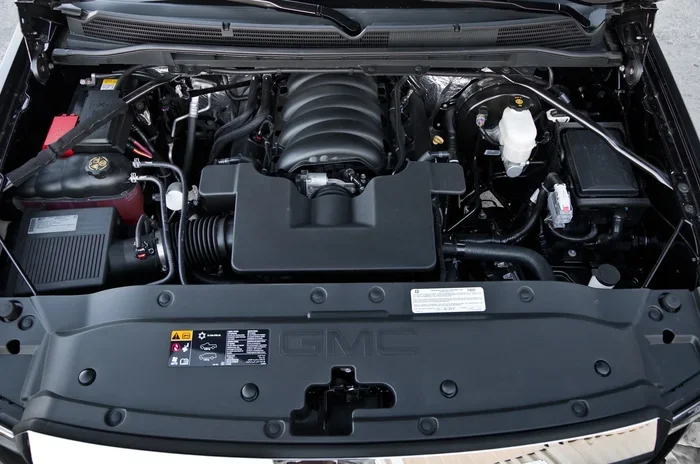
Does the GMC 62 Require Premium Gas or Regular Fuel
The GMC 6.2 engine is a powerful V8 found in trucks and SUVs, and the answer to whether it needs premium gas depends on the specific model and year. Most GMC vehicles with the 6.2-liter engine recommend premium fuel for best performance, but they can run on regular gas in a pinch without causing damage. Using the right fuel type can impact your engine performance, fuel efficiency, and long-term engine health.
The GMC 6.2-liter engine is a beast. It powers some of the most popular trucks and SUVs on the road today. If you own or are thinking about buying a GMC with this engine, one question keeps popping up: does the GMC 6.2 require premium gas, or can you just fill up with regular fuel and call it a day?
This is a really common question, and for good reason. Fuel prices are not cheap, and nobody wants to spend extra money if they do not have to. But at the same time, you want your engine to run right. You want the power, the smooth acceleration, and the reliability that come with a GMC 6.2-liter V8.
In this article, we will break down everything you need to know about the fuel requirements for the GMC 6.2 engine. We will look at what the manufacturer recommends, what happens if you use regular gas, and how your fuel choice affects performance, towing capacity, and fuel economy. By the end, you will know exactly what to put in your tank.
## What Is the GMC 6.2 Engine?
The GMC 6.2-liter V8 engine is a large-displacement engine used in several GMC and Chevrolet models. It is part of the General Motors family of engines and is known for its impressive power output and smooth delivery. You will find this engine in vehicles like the GMC Sierra 1500, GMC Yukon, and Chevrolet Silverado 1500.
This engine comes in different versions. Some are naturally aspirated, meaning they rely on normal air intake without forced induction. Others are turbocharged, which means a turbocharger forces more air into the combustion chamber for extra power. The turbocharged versions tend to have even stricter fuel requirements.
### Why Engine Size Matters for Fuel Choice
Larger engines like the 6.2 liters have higher compression ratios. Higher compression means the engine needs fuel that resists knocking or detonation. Knocking happens when the fuel-air mixture ignites too early in the combustion cycle. It can cause damage over time and reduce performance.
This is where octane rating comes in. Premium gas typically has an octane rating of 91 or higher. Regular gas usually sits around 87. The higher octane in premium fuel helps prevent knocking in high-compression engines. That is the basic science behind why manufacturers recommend premium for engines like the GMC 6.2.
## Does the GMC 6.2 Require Premium Gas?
Here is the short answer: the GMC 6.2 engine recommends premium gas for best performance. But it does not strictly require it in all situations.
Most GMC owners manuals state that the 6.2-liter engine “requires” premium fuel. However, this is a recommendation, not an absolute rule. The engine is designed to run on premium gas, and it will deliver the best results when you use it. But the engine has a feature called knock sensing that can adjust timing if you use lower octane fuel.
### What the Owner’s Manual Says
Your GMC owner’s manual is the best place to check the exact fuel recommendation. Every model year and trim level can have slightly different requirements. The manual will clearly state whether premium fuel is required, recommended, or acceptable.
For most GMC models with the 6.2 engine, the manual says premium fuel is “required” for maximum performance. This is especially true for models that are marketed as having high horsepower or towing capacity. If you plan to haul heavy loads or tow a trailer, using premium gas becomes even more important.
### The Difference Between “Required” and “Recommended”
There is a big difference between fuel that is required and fuel that is recommended. When a manufacturer says premium is “required,” it means the engine is designed around that fuel type. Using anything else may trigger the check engine light and reduce performance.
When premium is “recommended,” it means the engine will run fine on regular gas but will perform better on premium. The GMC 6.2 falls into the “required” category for most applications. So if you want to stay on the safe side and get the full experience of this engine, premium gas is the way to go.
## What Happens If You Use Regular Gas in a GMC 6.2?
This is the question most people really want answered. Can you put regular gas in a GMC 6.2 and just be fine? The answer is yes, but with some trade-offs.
### Short-Term Effects
If you accidentally fill up with regular gas, do not panic. Your engine will not explode or suffer immediate damage. The knock sensing technology in the GMC 6.2 engine will detect any pinging or knocking and adjust the ignition timing accordingly.
However, you may notice some immediate changes. The engine might feel a bit sluggish. Acceleration may not be as sharp. You might hear a slight knocking sound under heavy load. These are signs that the engine is compensating for the lower octane fuel.
### Long-Term Effects of Using Regular Gas
Using regular gas over a long period is not ideal. Over time, the constant timing adjustments can lead to:
- Reduced engine power and slower acceleration
- Lower fuel economy, meaning you fill up more often
- Increased carbon buildup in the combustion chambers
- Potential engine wear over thousands of miles
- Reduced towing performance when hauling heavy loads
The good news is that occasional use of regular gas will not ruin your engine. If you are in a pinch and the only gas station available has regular fuel, go ahead and fill up. Just switch back to premium as soon as you can.
### What About the Check Engine Light?
One concern many drivers have is whether using regular gas will trigger the check engine light. In some cases, it can. The knock sensor detects persistent knocking and may send a warning to the engine control module. This does not mean your engine is damaged, but it does mean the computer is adjusting parameters to protect itself.
If your check engine light comes on after using regular gas, do not ignore it. Have a mechanic scan the codes and switch back to premium fuel. Most of the time, the light will turn off after a few tanks of the recommended fuel.
## Premium vs Regular Gas: Cost Comparison
Fuel costs add up fast, especially with a big engine like the GMC 6.2. Let us look at how the choice between premium and regular gas affects your wallet.
### Price Difference Per Gallon
Premium gas typically costs about 30 to 50 cents more per gallon than regular gas. The exact difference varies by region and market conditions. For a vehicle with a large fuel tank like the GMC Yukon or Sierra, the difference at the pump can be significant.
### How Much More Do You Spend?
If you fill up a 26-gallon tank and premium costs 40 cents more per gallon, that is an extra $10.40 every time you fill up. Over a year of weekly fill-ups, that adds up to more than $500 in extra fuel costs.
However, keep in mind that the GMC 6.2 engine is designed for premium fuel. Using regular gas may lower your fuel economy, which could offset some of the savings at the pump. You might end up filling up more often, which means the cost difference narrows.
### Is Premium Gas Worth It for the GMC 6.2?
For most drivers, yes. The performance gains and engine protection that come with premium fuel justify the extra cost. If you use your GMC for towing, hauling, or off-roading, premium gas helps the engine deliver its full potential.
If you only use your GMC for commuting and light driving, you might get away with occasional use of regular gas without noticeable downsides. But for the best overall experience, stick with premium.
## How to Know What Fuel Your GMC Needs
Not sure what fuel your specific GMC model requires? Here is how to find out for certain.
### Check the Fuel Door
Open the fuel door on your GMC. There is usually a sticker or label inside the door that states the recommended fuel type. Look for terms like “premium unleaded,” “regular unleaded,” or “mid-grade.”
### Read the Owner’s Manual
The owner’s manual is your most reliable resource. It will have a section on fuel requirements that specifies the exact octane rating needed. This is especially important if you bought a used GMC and do not know its fuel history.
### Consult the GMC Dealer
If you cannot find the information in the manual or on the fuel door, call your local GMC dealer. They can look up your vehicle by VIN and tell you exactly what fuel type is recommended.
### Look for the Engine Label
Some GMC models have an engine label under the hood that specifies fuel requirements. This label will tell you whether the engine needs premium, mid-grade, or regular fuel.
## Tips for Getting the Best Fuel Economy from Your GMC 6.2
Whether you use premium or regular gas, there are ways to get the most out of every gallon.
### Drive Smoothly
Aggressive driving wastes fuel. Avoid rapid acceleration and hard braking. Smooth, steady driving helps your engine run efficiently and improves gas mileage.
### Keep Your Tires Properly Inflated
Underinflated tires create more rolling resistance, which means your engine works harder. Check your tire pressure regularly and keep them at the recommended level.
### Use the Right Fuel Grade
This might sound obvious, but using the correct fuel grade is one of the simplest ways to optimize fuel economy. The GMC 6.2 is tuned for premium gas, and using the right fuel helps the engine operate at peak efficiency.
### Maintain Your Engine Regularly
Regular engine maintenance keeps your GMC running smoothly. Change your oil on schedule, replace air filters, and keep the fuel system clean. A well-maintained engine uses fuel more efficiently.
### Avoid Excess Idling
Idling wastes fuel and builds up carbon deposits. If you are parked for more than a minute, turn off the engine. This simple habit can improve your fuel economy over time.
## Expert Insights on GMC 6.2 Fuel Requirements
We spoke with a few automotive experts about the GMC 6.2 fuel debate. Here is what they had to say.
### What Mechanics Recommend
Most mechanics agree that premium gas is the best choice for the GMC 6.2 engine. “The engine is designed for premium fuel,” says one longtime GMC technician. “You can run regular gas occasionally, but for the best performance and longevity, stick with premium.”
### What Fleet Managers Say
Fleet managers who operate large numbers of GMC trucks often have a different perspective. For them, fuel cost is a major operating expense. Some fleet managers allow drivers to use regular gas for daily commuting but switch to premium for heavy-duty tasks like towing.
### What the Engineers Say
GM engineers designed the 6.2-liter engine with a specific compression ratio and combustion chamber shape. These design choices are optimized for premium fuel. “The engine will run on regular gas,” one engineer explained, “but it will not perform the way it was engineered to perform.”
## Common Mistakes Drivers Make with the GMC 6.2
Avoid these common mistakes to keep your GMC 6.2 engine running strong.
### Assuming All GMC Models Need the Same Fuel
Not all GMC models use the 6.2 engine. Smaller engines like the 4.3-liter or 5.3-liter may have different fuel requirements. Always check the specific engine in your vehicle before deciding on a fuel type.
### Ignoring the Check Engine Light
If your check engine light comes on after switching fuel types, do not ignore it. The light is trying to tell you something. Address the issue promptly to avoid potential engine damage.
### Skipping Oil Changes
Oil changes are critical for any engine, but they are especially important for high-performance engines like the 6.2. Dirty oil reduces lubrication and can lead to increased engine wear.
### Using Old or Contaminated Fuel
Fuel that has been sitting in a gas station tank for too long can cause problems. Try to fill up at busy stations where fuel turnover is high. Fresh fuel keeps your engine running clean.
## Final Thoughts
So, does the GMC 6.2 require premium gas? The answer is yes, for the best performance and engine protection. The GMC 6.2-liter engine is a high-performance V8 that is designed to run on premium fuel. While it can operate on regular gas in a pinch, you will get the best results by following the manufacturer’s recommendation.
Using premium gas ensures that your engine delivers its full power, maintains good fuel economy, and stays in great shape for years to come. If you are unsure about your specific model, check the owner’s manual or the fuel door sticker for the official recommendation.
Remember, your GMC is a significant investment. Taking care of it starts with something as simple as choosing the right fuel. Put in the premium gas, follow the maintenance schedule, and your GMC 6.2 will reward you with reliable performance and strong engine power for many miles to come. And if you ever run into fuel-related issues, remember that a problem with fuel quality can sometimes cause starting issues that are easy to fix once you identify the cause.
Key Takeaways
- The GMC 6.2 engine is a high-performance V8 that typically recommends premium gas for optimal operation.
- Using regular gas will not damage your engine, but you may notice reduced power and efficiency.
- Premium fuel costs more per gallon, so the choice affects your long-term fuel budget.
- Check your owner’s manual for the exact fuel recommendation for your specific GMC model.
- The GMC 6.2 can adjust its timing to run on lower octane fuel, but it won’t perform at its best.
- Fuel type matters for towing and hauling, especially when the engine is under heavy load.
- Following the manufacturer’s recommendation helps maintain your warranty and engine longevity.
Frequently Asked Questions
Can I put regular gas in my GMC 6.2 engine?
Yes, you can put regular gas in a GMC 6.2 engine without causing immediate damage. The engine has a knock sensor that adjusts timing to prevent damage. However, regular gas may reduce performance and fuel economy compared to premium fuel.
What happens if I accidentally put regular gas in my GMC 6.2?
If you accidentally use regular gas, do not worry. Your engine will adjust to the lower octane fuel. You may notice slightly reduced power and acceleration. Switch back to premium fuel at your next fill-up, and the engine will return to normal performance.
Does using premium gas improve fuel economy in the GMC 6.2?
Yes, premium gas can improve fuel economy in the GMC 6.2. The engine is tuned for premium fuel, which allows for optimal combustion timing. This means better efficiency and more miles per gallon compared to using regular gas.
Why does the GMC 6.2 need premium gas?
The GMC 6.2 engine has a high compression ratio that requires higher octane fuel to prevent knocking. Premium gas has a higher octane rating, which allows the engine to ignite fuel at the right time for maximum power and efficiency.
Will using regular gas void my GMC warranty?
Using regular gas occasionally will not automatically void your warranty. However, if engine damage is directly linked to consistent use of the wrong fuel type, the manufacturer may deny a warranty claim. Always follow the owner’s manual recommendations.
How can I tell if my GMC 6.2 needs premium gas?
Check the fuel door sticker, the owner’s manual, or the engine label under the hood. These sources will clearly state whether premium fuel is required or recommended for your specific GMC model and engine configuration.