Does Your 2006 GMC Sierra Have a Cabin Air Filter
Yes, the 2006 GMC Sierra does include a cabin air filter. This small but important component keeps dust, pollen, and debris from entering the cabin through the HVAC system. Knowing where it is and how to replace it can save you money and keep your truck’s interior air clean and fresh.
Have you ever wondered whether your 2006 GMC Sierra comes equipped with a cabin air filter? Many truck owners assume their vehicle has one, but the truth isn’t always obvious. The answer matters because a functioning filter keeps the air inside your cab clean and comfortable.
The good news is that the 2006 GMC Sierra does include a cabin air filter. This small component works behind the scenes every time you run the heat or air conditioning. It captures dust, pollen, mold spores, and other airborne particles before they reach your lungs. Understanding this feature helps you maintain better air quality inside your truck.
Whether you’re dealing with musty smells, reduced airflow, or seasonal allergies, the cabin air filter could be the culprit. In this guide, we’ll walk you through everything you need to know. We’ll cover where the filter is located, how to tell when it needs replacing, and whether you can handle the job yourself. Let’s dive in.
Key Takeaways
- The 2006 GMC Sierra does have a cabin air filter located behind the glove box.
- A cabin air filter improves interior air quality by trapping dust, pollen, and allergens before they enter the cabin.
- You should replace the filter every 12,000 to 15,000 miles or once a year for best performance.
- Replacing the filter is a simple DIY task that requires no special tools and takes about 15 minutes.
- Neglecting the cabin air filter can reduce airflow, cause unpleasant odors, and strain the HVAC system.
- The cabin air filter is different from the engine air filter, and both play important roles in vehicle maintenance.
📑 Table of Contents
- What Is a Cabin Air Filter and Why Does It Matter?
- Does the 2006 GMC Sierra Come With a Cabin Air Filter?
- How to Locate the Cabin Air Filter in a 2006 GMC Sierra
- Signs Your Cabin Air Filter Needs Replacement
- How to Replace the Cabin Air Filter Yourself
- Cabin Air Filter vs. Engine Air Filter: What’s the Difference?
- Common Mistakes People Make With Cabin Air Filters
- Final Thoughts
What Is a Cabin Air Filter and Why Does It Matter?
A cabin air filter is a small pleated filter installed inside your vehicle’s ventilation system. It sits between the outside air intake and the interior of your cab. Its job is simple but essential: clean the air before it flows through the dashboard vents.
Most modern trucks and SUVs include this filter, and the 2006 GMC Sierra is no exception. The filter typically traps the following particles:
- Dust and dirt
- Pollen and mold spores
- Smoke and exhaust particles
- Insect debris
- Fine particulate matter
Without a working cabin air filter, all of these contaminants would flow freely into your truck’s interior. Over time, this can affect your health, especially if you suffer from allergies or respiratory issues. It also makes the cabin less pleasant during long drives.
Think of the cabin air filter like the air purifier in your home. You don’t see it working, but it makes a big difference in the quality of the air you breathe. Keeping it in good shape is a basic part of vehicle maintenance.
How the Cabin Air Filter Works
When your truck’s fan blows air through the vents, that air first passes through the cabin filter. The filter material catches contaminants while allowing clean air to pass through. The filtered air then enters the cabin through the dashboard vents.
The 2006 GMC Sierra uses a standard panel-style cabin air filter. These filters are flat and rectangular, making them easy to replace. Some vehicles use activated carbon filters, which do an even better job of removing odors and gases. The 2006 Sierra uses a standard particulate filter, but aftermarket carbon options are available if you want extra odor protection.
Does the 2006 GMC Sierra Come With a Cabin Air Filter?
Yes, the 2006 GMC Sierra comes standard with a cabin air filter. This applies to all trim levels of that model year. Whether you have a base model or a higher-end SLT trim, the cabin air filter is part of the vehicle’s ventilation system.
However, not every owner knows this filter exists. Many people confuse it with the engine air filter. The engine air filter cleans air going into the combustion engine, while the cabin air filter cleans air going into the passenger compartment. They serve completely different purposes, even though both are important.
If you’ve never replaced your cabin air filter, you’re not alone. A lot of truck owners overlook this maintenance item. But neglecting it can lead to several problems we’ll discuss below.
Where to Confirm Your Truck Has One
The easiest way to confirm your 2006 GMC Sierra has a cabin air filter is to check the owner’s manual. The manual will include a diagram showing the filter location and replacement schedule. If you no longer have the physical manual, you can find a digital copy on GMC’s website or through a quick online search.
You can also pop open the glove box and look behind it. In most cases, you’ll see the filter housing right there. Even if the filter is old or missing, you’ll see the compartment designed to hold it. That’s a clear sign your truck was built with this feature.
How to Locate the Cabin Air Filter in a 2006 GMC Sierra
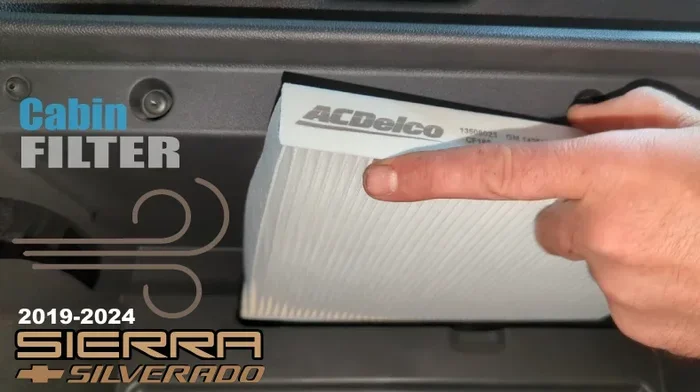
Finding the cabin air filter in your 2006 GMC Sierra is straightforward. The filter is located behind the glove box on the passenger side of the dashboard. You don’t need to remove the glove box entirely, but you do need to push it aside to access the filter compartment.
Here’s a quick overview of the steps:
- Open the glove box and remove any items inside it.
- Press the glove box sides inward to release the stops that hold it open.
- Look up and behind the glove box cavity to find the filter cover.
- Unclip or unscrew the cover to reveal the cabin air filter.
The entire process takes about five minutes once you know where to look. The filter slides out from the top of the housing. Just be careful not to spill any debris into the HVAC vents while you’re working.
Tips for Easy Access
Before you start, make sure your truck is turned off and the keys are out of the ignition. Working on a cool engine prevents any accidental surprises. Some owners find it helpful to wear gloves since the old filter can be quite dusty.
Also, keep a flashlight handy. The space behind the glove box can be a bit dark, and you want to see clearly when removing the filter. A drop cloth or old towel underneath the area helps catch any debris that falls during the process.
One thing to keep in mind: if you’ve never opened this compartment before, it might feel tight. That’s normal. The dashboard layout in the 2006 Sierra leaves limited room, but you don’t need any special tools. Just your hands and a little patience.
Signs Your Cabin Air Filter Needs Replacement
A dirty cabin air filter won’t do its job properly. Over time, the accumulated debris restricts airflow and reduces filtration efficiency. Watch for these warning signs that your filter needs attention:
Reduced Airflow from the Vents
If you notice weak airflow even when the fan is on high, a clogged cabin air filter could be the cause. When dust and debris build up on the filter material, they block air from passing through. This means less ventilation for you and your passengers.
Unusual Odors Coming From the Vents
A musty or musty smell when you turn on the air conditioning is a strong indicator of a dirty filter. Mold and mildew can grow on the trapped moisture and debris sitting in the filter. This not only smells bad but can also affect your health.
Increased Allergy Symptoms Inside the Truck
If you or your passengers experience more sneezing, coughing, or watery eyes while inside the truck, the cabin air filter might be failing. A worn-out filter lets allergens pass through instead of trapping them. This is especially noticeable during pollen season.
Visible Dirt on the Filter
When you remove the cabin air filter, take a close look at it. If it appears dark gray or black instead of its original white or light beige color, it’s time for a replacement. Heavy dirt buildup means the filter has been doing its job, but it’s now saturated and needs to be swapped out.
Your Check Engine Light or HVAC Warning
In some cases, a severely clogged cabin air filter can put extra strain on the blower motor. While this doesn’t always trigger a warning light, it can reduce the lifespan of the motor. If you notice the blower motor struggling or making unusual noises, check the cabin filter first. This is different from the check engine light that comes on for oil change issues in vehicles like the Volkswagen, where a maintenance reminder serves a similar alert function.
How to Replace the Cabin Air Filter Yourself
Replacing the cabin air filter in a 2006 GMC Sierra is one of the easiest DIY maintenance jobs you can do. You don’t need a mechanic, and you don’t need expensive tools. Most truck owners can complete the job in under 15 minutes.
What You’ll Need
- A replacement cabin air filter (check your owner’s manual for the correct part number)
- A flathead screwdriver or trim removal tool (only if the cover is clipped)
- A flashlight
- A clean cloth or towel
Step-by-Step Replacement Process
- Turn off the truck and remove the keys from the ignition.
- Open the glove box and empty it completely.
- Press the glove box sides inward to release the locking stops.
- Locate the cabin air filter cover behind the glove box cavity.
- Remove the cover by unclipping it or unscrewing any fasteners.
- Slide out the old filter and note which direction the airflow arrow points.
- Insert the new filter with the airflow arrow facing the correct direction.
- Replace the cover and snap it back into place.
- Restore the glove box and test the fan to ensure proper airflow.
That’s it! The entire process is clean, simple, and satisfying to complete. Most replacement cabin air filters cost between 15 and 30 dollars, so you’ll save money compared to paying a shop to do the job.
How Often Should You Replace It?
GMC recommends replacing the cabin air filter every 12,000 to 15,000 miles, or at least once per year. However, if you frequently drive in dusty conditions, rural areas, or heavy traffic, you may need to replace it more often. Some owners swap their filter every 6 months for optimal air quality inside the cab.
Regular replacement keeps the HVAC system running efficiently. It also ensures your truck’s interior stays smelling fresh. Think of it like changing the air filter in your home furnace — a small effort that pays off in comfort and performance.
Cabin Air Filter vs. Engine Air Filter: What’s the Difference?
It’s easy to confuse the cabin air filter with the engine air filter, but they serve very different purposes. Understanding the difference helps you maintain both components properly.
The cabin air filter cleans the air that enters the passenger compartment. It protects you and your passengers from dust, pollen, and other airborne particles. The 2006 GMC Sierra has this filter located behind the glove box.
The engine air filter cleans the air that enters the combustion engine. It prevents dust and debris from entering the engine cylinders, where they could cause damage. The engine air filter is typically located in a plastic housing near the top of the engine bay.
Both filters are essential for vehicle performance and longevity. Neglecting either one can lead to problems. A dirty engine air filter can reduce fuel efficiency and engine power, while a dirty cabin air filter can reduce airflow and air quality inside the truck.
You can check both filters during routine maintenance. When you’re under the hood checking things like whether your car can run on alternative fuels or inspecting the exhaust system, take a moment to look at the engine air filter too. A quick visual inspection goes a long way toward keeping your truck in top shape.
Comparison Table
| Feature | Cabin Air Filter | Engine Air Filter |
|---|---|---|
| Location | Behind glove box | Engine bay housing |
| Purpose | Cleans air entering the cabin | Cleans air entering the engine |
| Affects | Interior air quality and airflow | Engine performance and fuel economy |
| Replacement Interval | Every 12,000 to 15,000 miles | Every 15,000 to 30,000 miles |
| DIY Difficulty | Easy | Easy to moderate |
| Typical Cost | $15 to $30 | $20 to $40 |
Keeping both filters in good condition is a smart part of routine truck maintenance. It protects your investment and keeps your 2006 GMC Sierra running and driving comfortably for years to come.
Common Mistakes People Make With Cabin Air Filters
Even though replacing the cabin air filter is simple, some people make mistakes that reduce its effectiveness. Here are a few to avoid:
- Installing the filter backwards. Always check the airflow direction arrow on the filter frame. Air should flow in the direction the arrow points.
- Forgetting to replace it entirely. Some owners clean the filter instead of replacing it. While you can gently tap out loose debris, the filter material degrades over time and needs to be swapped out.
- Using the wrong size filter. Always use the filter specified for your 2006 GMC Sierra model. A filter that’s too small won’t seal properly, and a filter that’s too large won’t fit.
- Ignoring the filter for years. Some truck owners go the entire ownership period without ever touching the cabin air filter. This leads to poor airflow, odors, and unnecessary strain on the blower motor.
Avoiding these mistakes keeps your truck’s ventilation system working the way it should. A little attention goes a long way toward maintaining a comfortable driving environment.
Final Thoughts
The 2006 GMC Sierra does come with a cabin air filter, and keeping it in good shape is one of the simplest things you can do for your truck. A clean filter means better air quality, stronger airflow, and a more comfortable cab for you and your passengers. It’s a small part that makes a big difference.
Replacing the filter is easy, affordable, and something you can do at home with no special tools. Whether you tackle it yourself or have a shop handle it, staying on top of this maintenance task pays off. Your lungs will thank you, and your truck’s HVAC system will run more efficiently.
So take a few minutes to check your cabin air filter today. If it’s been more than a year since you last replaced it, grab a new one and get the job done. Your 2006 GMC Sierra will feel fresher and run better for it.
Frequently Asked Questions
Can I drive my 2006 GMC Sierra without a cabin air filter?
Yes, you can drive without the cabin air filter, but you shouldn’t do it for long. Without the filter, dust, pollen, and debris enter the cabin freely through the vents. This can make the interior dirty and affect air quality, especially for passengers with allergies or respiratory sensitivities.
What happens if I put the cabin air filter in backwards?
Installing the filter backwards restricts airflow and reduces filtration effectiveness. The dirty side of the filter faces the wrong direction, so debris passes through more easily. Always check the airflow arrow on the filter and make sure it points toward the dashboard vents.
Can a dirty cabin air filter cause my truck to overheat?
A dirty cabin air filter won’t directly cause your truck to overheat like other issues such as low coolant or a broken thermostat. However, it can put extra strain on the blower motor, which moves air through the system. Over time, this added strain could contribute to motor failure, so it’s best to replace the filter on schedule.
Where can I buy a replacement cabin air filter for my 2006 GMC Sierra?
You can buy replacement cabin air filters at auto parts stores, online retailers, and GMC dealerships. Make sure to check your owner’s manual for the correct part number or filter dimensions. Aftermarket options from brands like Wix, FRAM, and K&N are widely available and affordable.
Is the cabin air filter the same as the engine air filter?
No, they are completely different parts. The cabin air filter cleans air that enters the passenger compartment, while the engine air filter cleans air that enters the combustion engine. Both are important, and both should be replaced on a regular maintenance schedule.
Can I clean and reuse my cabin air filter?
Some cabin air filters can be gently tapped to remove loose debris, but most are designed for single use. The filter material breaks down over time, and cleaning doesn’t restore its full filtration capability. For best results, replace the cabin air filter with a new one at the recommended interval.
=== CONCLUSION ===
The 2006 GMC Sierra comes equipped with a cabin air filter, and maintaining it is essential for clean, comfortable air inside your truck. From locating the filter behind the glove box to replacing it yourself in under 15 minutes, this is one of the easiest maintenance tasks any truck owner can handle. A fresh cabin air filter improves airflow, eliminates odors, and protects your health from airborne allergens and pollutants.
Don’t overlook this simple but impactful component of your vehicle. Make cabin air filter replacement part of your regular maintenance routine, and your Sierra will reward you with a cleaner, fresher cabin for every drive. Your truck, your passengers, and your lungs will all benefit from this small but meaningful step in vehicle care.