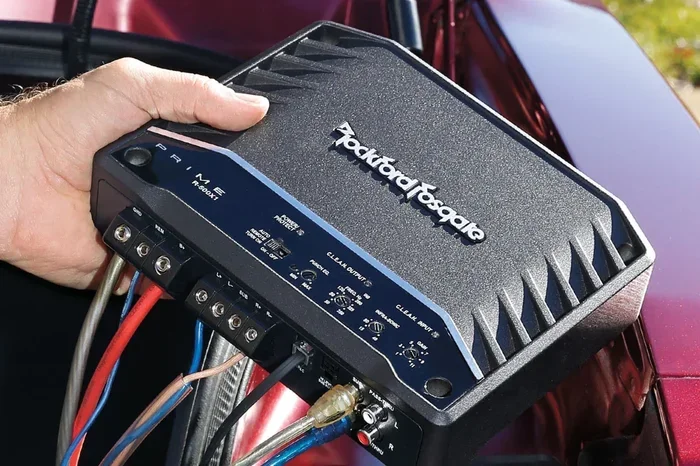
2 Channel Car Amplifier Guide to Upgrade Your Sound System
A 2 channel car amplifier is the easiest and most effective way to boost your car audio system. It delivers clean power to your speakers, improves sound quality, and brings out deep bass without distortion. Whether you drive a sedan or SUV, adding a stereo amplifier can completely change how your music sounds on the road. This guide walks you through everything from choosing the right power rating to installing your amplifier like a pro.
Key Takeaways
- Power Matters: Matching your amplifier wattage to your speakers prevents damage and ensures the best sound.
- Two Channels, Two Speakers: A 2 channel car amplifier powers a pair of speakers, giving you a balanced stereo image.
- Installation Is Easier Than You Think: With the right tools and a little patience, most people can install their own amp.
- Bridging Doubles Power: You can bridge a 2 channel amp to power a single subwoofer for deeper bass.
- Build Quality Counts: Look for features like thermal protection, high signal-to-noise ratio, and solid build when choosing an amp.
- Match Your Impedance: Always check speaker impedance before connecting to avoid blowing your equipment.
📑 Table of Contents
- 2 Channel Car Amplifier: The Best Way to Upgrade Your Car Audio
- How to Choose the Right 2 Channel Car Amplifier
- Installing Your 2 Channel Car Amplifier
- Common Mistakes to Avoid When Using a 2 Channel Amplifier
- Top Features to Look for in a Quality 2 Channel Amplifier
- 2 Channel Amplifier vs Other Amplifier Types
- Final Thoughts on Upgrading with a 2 Channel Car Amplifier
2 Channel Car Amplifier: The Best Way to Upgrade Your Car Audio
If you love listening to music in your car, you know how frustrating a weak sound system can be. Your factory stereo just does not have the power to make your favorite tracks sound alive. That is where a 2 channel car amplifier comes in. It takes the weak audio signal from your head unit and boosts it. The result is louder, cleaner, and more detailed sound.
A stereo amplifier is the most popular type of car amplifier. It has two channels, which means it can power two speakers. You can use it for your front speakers, your rear speakers, or even bridge it to run a subwoofer. This flexibility makes it a great choice for almost any car audio setup. Whether you want better vocals, tighter mids, or punchier bass, a car audio amplifier with two channels delivers.
In this guide, we will cover everything you need to know. From understanding power ratings to picking the right amp for your speakers, we have you covered. By the end, you will feel confident choosing and installing your own 2 channel car amplifier. Let us dive in.
What Exactly Is a 2 Channel Car Amplifier?
A 2 channel car amplifier is an external device that boosts the audio signal from your car stereo. Your factory head unit sends a weak signal to your speakers. That signal does not have enough power to move your speaker cones with precision. The amplifier steps up that signal. It uses power from your car battery to create a stronger, cleaner version of the original audio.
Each channel in a stereo amplifier connects to one speaker. So two channels means two speakers. You get a left and right sound image. This is the foundation of a great car audio experience. When both channels work well together, your music sounds full and balanced.
Most external amplifiers like this one are compact. They fit easily under a seat or in a trunk. They do not take up much space. And they make a huge difference in how your music sounds.
Why You Need a 2 Channel Amplifier for Your Car
Your factory stereo has a built-in amplifier. But it is usually very weak. It often produces around 10 to 20 watts per channel. That is not enough to drive quality speakers properly. When you push a factory amp too hard, it distorts. Distorted sound hurts your ears and damages your speakers over time.
A dedicated 2 channel car amplifier solves this problem. It provides clean power. Clean power means your speakers can reproduce every detail in your music. You hear subtle guitar riffs, crisp vocals, and tight drum beats. Here is why upgrading makes sense:
- More Power: A stereo amplifier delivers 20 to 100 watts per channel or more. This is way more than your factory head unit.
- Less Distortion: External amps have better circuitry. They produce a purer audio signal with less noise.
- Better Bass Response: With a clean signal, your speakers can handle lower frequencies more accurately.
- Improved Clarity: High frequencies like cymbals and vocals sound sharper and more detailed.
- Protection for Speakers: A good amplifier sends a stable signal. This protects your speakers from damage caused by clipping.
When you add a car audio amplifier, your entire system improves. Even affordable speakers sound much better with proper amplification. It is the single best upgrade you can make to your car sound system.
How to Choose the Right 2 Channel Car Amplifier
Not all amplifiers are the same. There are many options out there. Choosing the right one can feel overwhelming. But it does not have to be. Here are the key things to look for when shopping for a 2 channel car amplifier.
Understand Power Ratings and Wattage
The most important spec on any amplifier is its power rating. This is measured in watts. You will see two types of power ratings on most amps: RMS and peak.
RMS power stands for Root Mean Square. This is the continuous power an amplifier can deliver. It is the number you should trust. Peak power is the maximum power for a short burst. It is not a realistic measure of everyday performance.
When matching your amplifier to your speakers, look at the RMS rating. Your amplifier should deliver power close to your speaker’s RMS rating. For example, if your speakers handle 50 watts RMS each, look for an amp that delivers 50 watts RMS per channel. This is called “matching” your system. It ensures the best performance and protects your equipment.
Here is a simple guide for matching power:
- Same Power: Amplifier RMS matches speaker RMS. This is ideal for most setups.
- Slightly Higher: Amp RMS is 10 to 20 watts higher than speaker RMS. This gives you headroom for loud peaks.
- Too Much Power: Avoid amps that are way overpowered. This can damage speakers if you turn it up too high.
Check the Frequency Response
The frequency response of an amplifier tells you the range of sound it can reproduce. Human hearing ranges from about 20 Hz to 20,000 Hz. A good stereo amplifier covers most of this range. Look for amps with a flat frequency response. This means the amp does not favor one frequency over another. Your music stays true to the original recording.
Look for Low Distortion and High Signal-to-Noise Ratio
Audio distortion is the enemy of great sound. It causes a fuzzy, harsh quality in your music. High-quality amplifiers have very low total harmonic distortion, often listed as THD. Look for a THD rating below 0.1%. The lower the number, the cleaner the sound.
The signal-to-noise ratio (SNR) measures how much unwanted noise the amp adds. A higher SNR is better. Look for 100 dB or higher. This ensures your music sounds quiet and clean when the volume is low.
Consider Bridging Capabilities
Many 2 channel car amplifier models can be bridged. Bridging means combining both channels into one. This doubles the power output for a single channel. It is perfect for powering a subwoofer. If you want deep bass, look for an amp that supports bridging. Just make sure your subwoofer can handle the extra power.
Build Quality and Features
Not all amplifiers are built the same. Cheap amps may use low-quality components that overheat. Better amps include thermal protection. This shuts the amp down if it gets too hot. Look for models with solid construction and good ventilation.
Other features to consider include:
- Variable Bass Boost: Lets you adjust low-frequency output.
- Remote Turn-On Wire: Automatically turns the amp on with your stereo.
- High-Level Inputs: Makes it easy to connect to factory stereos without a harness adapter.
- Compact Size: Fits in tight spaces under seats or behind panels.
Installing Your 2 Channel Car Amplifier
Installing a 2 channel car amplifier is easier than most people think. You do not need to be a mechanic. With basic tools and a little patience, you can do it yourself. Here is a step-by-step overview of the process.
What You Will Need
Before you start, gather these tools and materials:
- Wire stripper and crimping tool
- Speaker wire (gauge depends on your amp and distance)
- Power wire (usually 4 to 8 gauge)
- Ground wire
- Fuse and fuse holder
- Ring terminals
- Allen wrench set
- Electrical tape or heat shrink tubing
Step-by-Step Installation
Step 1: Disconnect the Battery. Always start by disconnecting the negative terminal on your car battery. This prevents short circuits and keeps you safe.
Step 2: Run the Power Wire. Run the power wire from the battery to the amplifier location. Use a fuse holder close to the battery. This protects your wiring and your amp.
Step 3: Ground the Amplifier. Connect the ground wire to a clean, bare metal spot on the car chassis. Sand away any paint to ensure a solid connection. A good ground is essential for clean sound.
Step 4: Connect the Remote Turn-On Wire. This wire tells the amp to turn on when you start your stereo. It usually comes from the head unit or a adapter harness.
Step 5: Connect the Speaker Wires. Run speaker wire from the amp to each speaker. Positive goes to positive, negative goes to negative. Reversing polarity can cause sound problems.
Step 6: Connect the RCA Cables. Run the RCA cables from your head unit to the amplifier inputs. Keep them away from power wires to avoid interference.
Step 7: Reconnect the Battery and Test. Turn on your stereo and test each channel. Listen for any buzzing or distortion. Adjust the gain knob on the amp if needed.
Quick Tips for a Clean Install
- Use zip ties to keep wires neat and secure.
- Run power and signal wires on opposite sides of the car to reduce interference.
- Do not run wires through sharp edges. Use grommets or rubber tubing to protect them.
- Take your time. Rushing leads to mistakes.
Common Mistakes to Avoid When Using a 2 Channel Amplifier
Even with the best amplifier, mistakes can ruin your experience. Here are common errors people make when setting up a 2 channel car amplifier.
Mismatching Power Ratings
The biggest mistake is mismatching your amp and speakers. If your amp puts out too much power, you can blow your speakers. If it puts out too little, you will not get the full benefit. Always check the RMS ratings of both your amp and your speakers.
Ignoring Impedance
Speaker impedance is measured in ohms. Most car speakers are 4 ohms or 2 ohms. Your amplifier is designed to work with a specific impedance range. Running a low-impedance speaker on an amp that cannot handle it can cause the amp to overheat. Always check your amp’s minimum impedance rating.
Poor Grounding
A bad ground connection causes all kinds of problems. You might hear a buzzing or humming noise. This is called ground loop noise. Always scrape away paint and rust at the ground point. Use a star washer for a tight connection.
Turning the Gain Too High
The gain knob on your amplifier controls the input level. Many people crank it up all the way. This is a mistake. Setting the gain too high causes distortion and can damage your speakers. Start with the gain low and slowly increase it until the sound is clean at your normal listening volume.
Using the Wrong Wire Gauge
Thin wires cannot handle high current. They can overheat and even melt. Always use the correct wire gauge for your amplifier. A 4-gauge power wire is standard for most 2 channel amps. Thicker wire is better for longer runs or higher-powered amps.
Top Features to Look for in a Quality 2 Channel Amplifier
When shopping for a stereo amplifier, not all features are created equal. Here are the features that truly matter for a great listening experience.
High Signal-to-Noise Ratio
A high SNR means your music sounds quiet and clean at low volumes. You hear the details in your music, not the hiss of the amplifier. Look for 100 dB or higher.
Thermal Protection
Amplifiers generate heat. A good 2 channel car amplifier has thermal protection. If the amp gets too hot, it automatically reduces power or shuts off. This protects both the amp and your speakers.
Multiple Input Options
Look for amps with both low-level (RCA) and high-level inputs. High-level inputs let you connect to factory stereos without cutting any wires. This makes installation much easier for many car owners.
Compact and Lightweight Design
You do not want a heavy amplifier taking up space in your trunk. Modern car audio amplifiers are small and light. They fit easily in tight spaces. This is especially important in compact cars or sedans.
Bass and Treble Controls
Some amplifiers include built-in EQ controls. These let you adjust the bass and treble to your liking. It is a nice bonus, though not essential. A good head unit can handle EQ adjustments too.
2 Channel Amplifier vs Other Amplifier Types
There are different types of car amplifiers. Understanding the differences helps you choose the right one for your setup.
A 2 channel car amplifier powers two speakers. It is the most versatile type. You can use it for front speakers, rear speakers, or bridge it for a subwoofer. A 4 channel amplifier powers four speakers. It is great for full-range setups. A monoblock amplifier has one channel. It is designed specifically for subwoofers.
For most people upgrading their car audio, a 2 channel stereo amplifier is the best starting point. It gives you flexibility and excellent sound quality. You can always add more amplifiers later as your system grows.
Final Thoughts on Upgrading with a 2 Channel Car Amplifier
Upgrading your car audio does not have to be complicated. A 2 channel car amplifier is the simplest and most effective way to improve your sound system. It gives you more power, cleaner sound, and better detail. Your favorite songs will sound completely different on a properly amplified system.
Start by choosing an amp that matches your speakers. Pay attention to RMS power, impedance, and build quality. Take your time with the installation. Follow the steps carefully and double-check your connections. Once your 2 channel car amplifier is installed and dialed in, you will wonder how you ever drove without it.
The best part is that you do not need to spend a fortune. There are great amplifiers at every price point. Even a budget-friendly stereo amplifier can transform your car audio. The key is to match the amp to your speakers and install it correctly.
Take the time to learn your system. Experiment with the gain settings. Try different genres of music to hear how your amplifier handles different sounds. Once you hear the difference a proper car audio amplifier makes, you will never go back to a factory stereo again.
Your car is your space. Make it sound the way you want it to. A 2 channel car amplifier is the upgrade that delivers real results. Start shopping today and enjoy better sound on every drive.
Frequently Asked Questions
Can I bridge a 2 channel car amplifier to power a subwoofer?
Yes, most 2 channel amplifiers can be bridged. Bridging combines both channels into one, doubling the power output. This is great for powering a single subwoofer. Just make sure your subwoofer can handle the bridged power rating.
What gauge wire do I need for a 2 channel amplifier?
For most 2 channel amps, 4-gauge power and ground wire works well. If your amplifier is very powerful or your wire run is long, use 2-gauge wire. Thicker wire carries more current safely and reduces power loss.
Do I need a capacitor with my 2 channel car amplifier?
A capacitor helps stabilize voltage when your amp demands a lot of power. It is not always necessary. If you notice your headlights dimming when you play loud music, a capacitor can help. For most moderate setups, it is not required.
Can I use a 2 channel amplifier with a factory stereo?
Yes, you can. Many modern amplifiers have high-level inputs. These let you tap into the factory speaker wires without cutting anything. You can also use an adapter harness to connect the amp to your factory head unit easily.
How do I prevent my amplifier from overheating?
Make sure your amplifier has proper ventilation. Do not install it in a sealed enclosed space. Also, match your amplifier power to your speakers correctly. Running an underpowered amp at full gain causes more heat than a properly matched setup.
Is it better to power front speakers or rear speakers with a 2 channel amp?
It depends on your goals. For the best sound quality, power your front speakers. The front channels carry the most important parts of the music. If you want full-range sound, you can power both front and rear speakers with one amplifier.