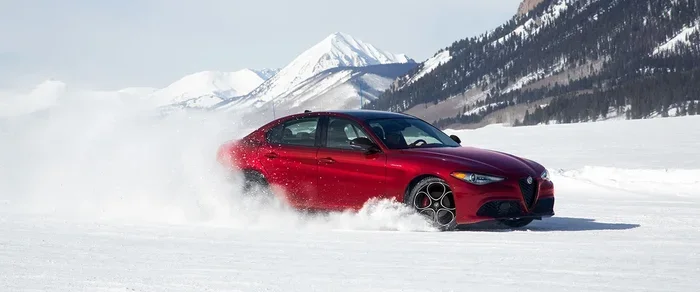
How Alfa Romeo Performs in Snow and Why Drivers Love It
Alfa Romeo vehicles deliver surprisingly capable snow performance thanks to advanced drivetrain systems and precise handling. The Alfa Romeo Stelvio and Giulia models shine on icy roads with their all-wheel drive options and driver-focused engineering. Learn why so many drivers trust their Alfa Romeo in winter conditions and discover practical tips to stay safe on snow-packed roads.
When winter rolls in and roads turn white, many car owners worry about how their vehicle will handle the cold. For Alfa Romeo fans, the question is simple but important: how does an Italian sports car perform in snow? The answer might surprise you. Alfa Romeo has built a reputation for delivering thrilling driving experiences, and that reputation doesn’t disappear when temperatures drop.
Whether you own a Stelvio SUV or a sleek Giulia sedan, understanding how your car behaves on snowy roads can make all the difference. Winter driving demands respect, but it doesn’t have to be scary. With the right knowledge and a few smart adjustments, your Alfa Romeo can handle snow with confidence and style.
In this guide, we’ll explore everything from drivetrain technology to real-world snow driving tips. You’ll learn why so many Alfa Romeo owners actually enjoy driving in winter conditions. We’ll also cover common challenges and how to overcome them. By the end, you’ll feel more prepared and excited to take on whatever the winter throws your way.
Key Takeaways
- Alfa Romeo drivetrains handle snow well: The Q4 all-wheel drive system and electronic stability controls provide excellent traction on icy roads.
- The Stelvio SUV is a winter star: Its higher ground clearance and AWD system make it a confident choice for snow driving.
- The Giulia sedan is capable too: With the right tires and smooth driving techniques, the Giulia handles winter roads with poise.
- Winter tires are essential: Dedicated snow tires make the biggest difference in Alfa Romeo snow performance.
- Smooth inputs are the golden rule: Gentle acceleration, early braking, and gradual steering keep your Alfa Romeo stable on ice.
- Drivers love the winter experience: The responsive handling and driver engagement make Alfa Romeo a joy to drive in snow.
- Confidence comes from technology: Advanced stability and traction systems work silently to keep you safe on winter roads.
📑 Table of Contents
How Alfa Romeo’s Drivetrain Handles Snow
The drivetrain is the heart of any vehicle’s snow performance. Alfa Romeo offers different drivetrain options that affect how the car grips the road when conditions get slippery. Understanding these systems helps you make the most of your winter driving experience.
Rear-Wheel Drive vs All-Wheel Drive
Most traditional Alfa Romeo models come with rear-wheel drive. This setup sends power to the back wheels, which gives the car a sporty feel. On dry roads, rear-wheel drive delivers sharp handling and quick acceleration. But what happens when snow covers the pavement?
Rear-wheel drive can be tricky on snow. The powered wheels at the back might spin if there’s not enough grip. That said, modern Alfa Romeo models come with electronic stability systems that help prevent slipping. These systems monitor wheel speed and adjust power delivery in real time.
All-wheel drive changes the game completely. With power sent to all four wheels, your car gains better traction on snow and ice. This is especially helpful when starting from a stop or climbing a hill. Alfa Romeo’s AWD systems are designed to send power where it’s needed most, giving you more confidence on the road.
Quick Tip: If you live in an area with heavy snowfall, consider choosing an all-wheel drive model. The extra traction makes a big difference during winter months.
The Q4 All-Wheel Drive System
Alfa Romeo’s Q4 system is a smart all-wheel drive setup. It constantly monitors road conditions and adjusts power between the front and rear wheels. When the road is dry, it sends most power to the rear wheels for that sporty feel. When snow appears, it shifts power forward to help with grip.
The Q4 system works fast. It can redistribute torque in milliseconds. This means you get responsive handling whether the road is clear or covered in snow. The system also works with traction control and electronic stability programs to keep you safe.
For those who wonder about Alfa Romeo performance in harsh winter conditions, the Q4 system is a game changer. It gives you the best of both worlds: sporty rear-wheel drive feel when conditions are good, and secure all-wheel traction when they’re not.
Expert Insight: Many drivers report that the Q4 system gives them a feeling of driver confidence even on unfamiliar snow packed roads. The system feels intuitive and doesn’t require constant manual adjustments.
Rear-Wheel Drive vs All-Wheel Drive: Snow Comparison
| Feature | Rear-Wheel Drive | All-Wheel Drive (Q4) |
|---|---|---|
| Traction on Snow | Moderate | Excellent |
| Starting on Ice | Challenging | Confident |
| Handling on Clear Roads | Sporty and Responsive | Stable and Secure |
| Fuel Efficiency | Better | Slightly Lower |
| Best For | Light Snow, Experienced Drivers | Heavy Snow, All Conditions |
This table shows why many Alfa Romeo owners choose AWD for winter driving. The Q4 system offers superior traction when you need it most. But even rear-wheel drive models can handle snow well with proper tires and careful driving techniques.
The Alfa Romeo Stelvio in Snow
The Alfa Romeo Stelvio is the brand’s flagship SUV, and it handles snow remarkably well. Its higher riding position gives drivers a better view of the road ahead, which is always helpful in winter conditions. The Stelvio combines SUV practicality with Italian sports car DNA.
Why the Stelvio Excels on Winter Roads
The Stelvio comes with several features that make it a strong winter performer. The available Q4 all-wheel drive system provides excellent traction. The car’s weight distribution helps maintain grip on slippery surfaces. And the electronic stability control works tirelessly to keep the vehicle on course.
Many owners who have tested their Stelvio in real winter conditions report positive experiences. The SUV’s ground clearance helps navigate snow covered roads without getting stuck. The wide tires and sturdy build give it an advantage over lighter sedans when roads are poorly cleared.
If you’re considering a Stelvio for winter driving, you might also want to check Are Alfa Romeo Stelvio models reliable to understand how the vehicle holds up over time in various conditions, including harsh winters.
Real-World Snow Performance
In real-world scenarios, the Stelvio handles snow packed roads with impressive composure. The steering remains responsive even when grip is limited. The brakes work effectively, though drivers should always allow extra stopping distance on icy surfaces.
The Stelvio’s turbocharged engine delivers strong acceleration, which can be both helpful and challenging in snow. More power means you can maintain speed on inclines, but it also means you need to be gentle with the throttle to avoid spinning the wheels.
Common Mistake: Many drivers apply too much throttle when starting on snow. Even with AWD, sudden acceleration causes wheel spin. Ease onto the gas pedal gradually for the best results.
The Stelvio also benefits from its low center of gravity for an SUV. This means it feels more planted and stable during turns on snowy roads. You won’t experience the body roll that many larger SUVs exhibit in winter conditions.
The Alfa Romeo Giulia: Winter Driving Dynamics
The Alfa Romeo Giulia is the brand’s signature sedan, and it brings a different set of snow driving characteristics. While it’s a sports sedan at heart, the Giulia can handle winter roads competently with the right setup and driving approach.
Sedan Handling on Icy Roads
The Giulia’s rear-wheel drive layout gives it a dynamic feel on clear roads. In snow, however, drivers need to be more mindful of traction. The car’s sporty suspension is tuned for precision, which translates to confident cornering even on wet or lightly snow covered surfaces.
One advantage of the Giulia in snow is its relatively light weight compared to SUVs. Lighter vehicles can sometimes navigate icy patches more easily because there’s less mass to control. However, this also means the Giulia has less natural traction than heavier vehicles, so winter tires become even more important.
For those interested in the tech features available, you can learn more about Does the Alfa Romeo Giulia have Apple CarPlay and how the infotainment system helps with navigation during winter trips when visibility is low.
Features That Help in Snow
The Giulia comes equipped with several systems designed to help in low-grip conditions. The electronic stability control system constantly monitors steering input and wheel slip. When it detects a loss of traction, it applies individual brakes and reduces engine power to keep the car on course.
The Giulia also offers adaptive cruise control and traction assist features. These technologies work together to provide a safer driving experience in winter road conditions. While no system can replace careful driving, these features add an important layer of protection.
Quick Tip: Always check your Giulia’s tire pressure before winter sets in. Cold temperatures cause air pressure to drop, which reduces grip. Properly inflated tires are essential for safe snow driving.
Drivers who have experience with Italian sports cars know that these vehicles reward smooth inputs. The same applies in snow. Gentle steering, smooth braking, and progressive acceleration will keep the Giulia stable and predictable on icy roads.
Essential Snow Driving Tips for Alfa Romeo Owners
Owning an Alfa Romeo in a snowy climate comes with responsibilities. These vehicles are performance oriented, which means they need extra attention during winter months. Here are practical tips to help you stay safe and get the most from your car when snow is on the ground.
Tire Choices for Winter
Tires are the single most important factor in snow driving performance. Alfa Romeo owners should consider investing in a set of dedicated winter tires. These tires use special rubber compounds that stay flexible in cold temperatures, providing better grip on snow and ice.
All-season tires are a reasonable compromise in mild winter climates. But if you experience heavy snowfall or prolonged cold, winter tires are a must. Look for tires with the three-peak mountain snowflake symbol, which indicates proven snow traction.
Quick Tip: Consider getting a second set of wheels for your winter tires. This makes swapping tires faster and protects your regular wheels from corrosion caused by road salt.
Some owners wonder if snow chains are necessary. For most Alfa Romeo models with proper winter tires, chains are not needed for typical snow covered roads. However, if you travel through mountain passes or areas with severe winter conditions, carrying chains is a smart precaution.
Driving Techniques That Make a Difference
How you drive matters just as much as what’s under your car. Smooth inputs are the golden rule of snow driving with an Alfa Romeo. Here are techniques that help:
- Accelerate gently: Sudden throttle causes wheel spin. Apply power gradually to maintain traction.
- Brake early and softly: Allow extra distance for stopping. Pump the brakes lightly if you don’t have ABS.
- Steer smoothly: Jerky steering movements can break traction. Make gradual, flowing turns.
- Look ahead: Anticipate stops and turns early. This gives you time to adjust your speed smoothly.
- Increase following distance: Allow at least 6 to 8 seconds of following distance on snowy roads.
These techniques apply to all Alfa Romeo models, whether you’re driving the Stelvio or the Giulia. The key is to respect the reduced grip and give yourself room to react.
When navigating snow packed roads, remember that bridges and overpasses freeze first. They lack the insulation of the ground beneath them, so ice can form even when the rest of the road looks clear. Slow down before you reach bridges and overpasses.
Common Winter Challenges and Solutions
Even the best Alfa Romeo models face challenges in severe winter conditions. Knowing what to expect and how to respond helps you stay safe and avoid costly repairs. Here are the most common winter problems and practical solutions.
Braking on Snow and Ice
Braking performance decreases on snow and ice. This is true for every vehicle, including high performance Alfa Romeo models. The key is to understand how your brakes behave in cold conditions and adjust your driving accordingly.
Modern Alfa Romeo vehicles come with anti-lock braking systems (ABS). ABS prevents your wheels from locking up during hard braking. This allows you to steer while stopping, which is crucial on slippery surfaces. However, ABS doesn’t shorten stopping distance on ice. It simply helps you maintain control.
Common Mistake: Many drivers pump the brakes on vehicles with ABS. If your car has ABS, apply firm, continuous pressure and let the system do its work. Pumping the brakes actually reduces the effectiveness of ABS.
Another challenge is brake fade. This occurs when brakes overheat from repeated use, which can happen on long downhill stretches in winter. The solution is to use engine braking by shifting to a lower gear. This takes the pressure off your brake pads and helps you maintain control.
Staying Warm and Comfortable
Comfort matters when driving in cold weather. Alfa Romeo interiors are designed for driver engagement, but they can feel chilly in winter. Here are some tips to stay comfortable during cold weather drives:
- Pre-heat your car using the remote start feature if available.
- Use heated seats and steering wheels to maintain comfort and alertness.
- Keep your defroster on a low setting to prevent fog buildup on windows.
- Carry an emergency kit with blankets, a flashlight, and a phone charger.
- Make sure your windshield wipers are in good condition and use winter-grade washer fluid.
Staying warm and alert directly impacts your driving safety. Cold, uncomfortable drivers make more mistakes. Taking steps to stay cozy in your Alfa Romeo during winter months pays off in better focus and reaction time.
Expert Insight: Many experienced Alfa Romeo owners recommend keeping the cabin temperature slightly cooler than you might expect. A slightly cool cabin keeps you alert and prevents drowsiness, which is especially important when road conditions are uncertain.
Why Drivers Love Their Alfa Romeo in Winter
It might seem counterintuitive, but many Alfa Romeo owners actually look forward to winter driving. There’s something about the way these Italian sports cars handle snow that creates a unique and enjoyable experience. Let’s explore why so many drivers develop a love for their Alfa Romeo during the colder months.
The Joy of Winter Driving
There’s a thrill that comes from confidently navigating a snow covered road in a precision engineered vehicle. Alfa Romeo cars respond to driver inputs with remarkable clarity. When you turn the steering wheel, the car answers immediately. When you apply the brakes, it stops with purpose. This responsiveness creates a sense of connection that makes winter driving feel engaging rather than stressful.
The Stelvio and Giulia both offer a driving experience that stands apart from typical winter vehicles. Most cars in this category feel numb and disconnected on snow. Alfa Romeo models feel alive and communicative. You can sense the road surface through the steering wheel, which helps you adjust your driving in real time.
For those who appreciate the engineering behind these vehicles, the 300 Bhp cars in India and similar performance benchmarks show how much power these machines can deliver. The same engineering that makes Alfa Romeo performance exciting on clear days also provides a thrilling, controlled experience in the snow.
Building Confidence on Snowy Roads
Confidence is the secret ingredient that transforms winter driving from a chore into a pleasure. Alfa Romeo vehicles build confidence through their predictable handling and advanced safety systems. When you know your car will respond the way you expect, you drive with more assurance and less anxiety.
The Q4 all-wheel drive system plays a huge role here. Knowing that power is being distributed to all four wheels gives drivers peace of mind. The electronic stability programs work silently in the background, correcting small slips before they become problems. This invisible safety net allows drivers to focus on enjoying the road.
Key Takeaway: Alfa Romeo owners who embrace winter driving often find that their skills improve year-round. The precision required for snow driving translates to better overall driving habits on every surface.
Safety also plays a role in why drivers feel confident. Features like vehicle stability control, traction management, and advanced braking systems work together to keep the car planted and predictable. When you feel safe, you enjoy the drive more. And Alfa Romeo delivers on all these fronts.
For families who need to ensure everyone stays safe, remember that proper restraints matter in all conditions. Learn more about Do adults need to buckle in the back seat for important safety guidance that applies year-round, including winter trips.
Conclusion
Alfa Romeo performs impressively in snow, and that’s something every owner should feel proud of. Whether you’re behind the wheel of a Stelvio or a Giulia, these Italian machines bring precision, power, and driver engagement to winter roads. The combination of advanced drivetrain systems, electronic safety features, and responsive handling makes Alfa Romeo a compelling choice for cold climate drivers.
Winter driving always demands respect and caution. But with the right tires, smart driving techniques, and confidence in your vehicle’s capabilities, you can enjoy every mile. Your Alfa Romeo is built to perform, and that includes when the snow starts falling.
Take the lessons from this guide and apply them on your next winter drive. Check your tires, adjust your technique, and trust in the engineering that makes Alfa Romeo special. Winter doesn’t have to slow you down. With the right approach, it can actually enhance your driving experience. Embrace the snow, enjoy the challenge, and discover why so many drivers love their Alfa Romeo when the temperature drops.
Frequently Asked Questions
Is Alfa Romeo good in snow?
Yes, Alfa Romeo performs well in snow, especially models equipped with the Q4 all-wheel drive system. The Stelvio and Giulia both offer strong traction and responsive handling on snowy roads. With proper winter tires and smooth driving techniques, your Alfa Romeo will handle winter conditions with confidence.
What drivetrain is best for snow driving in an Alfa Romeo?
The Q4 all-wheel drive system is the best choice for snow driving. It automatically distributes power to all four wheels and adjusts torque delivery based on road conditions. This gives you excellent traction and stability on icy and snow packed roads. Rear-wheel drive models can also handle snow well with proper winter tires.
Do I need winter tires on my Alfa Romeo?
Yes, winter tires are highly recommended for any Alfa Romeo owner in cold climates. The special rubber compounds in winter tires stay flexible in low temperatures, providing much better grip on snow and ice. All-season tires are a minimum requirement, but dedicated winter tires significantly improve safety and performance.
Can I drive my Alfa Romeo Giulia in heavy snow?
The Giulia can handle heavy snow with the right preparation. Install winter tires, use smooth driving inputs, and allow extra stopping distance. The electronic stability and traction control systems help maintain control. However, if you live in an area with extreme winter conditions, an SUV like the Stelvio may offer more confidence due to its higher ground clearance.
How does the Alfa Romeo Stelvio compare to other SUVs in snow?
The Stelvio stands out in snow thanks to its low center of gravity and sporty suspension. Unlike many SUVs that feel bulky on icy roads, the Stelvio feels planted and agile. The Q4 all-wheel drive system provides excellent traction. Combined with its responsive steering, the Stelvio offers a unique snow driving experience that few competitors can match.
What should I do if my Alfa Romeo starts sliding on ice?
Stay calm and avoid sudden movements. Ease off the accelerator and steer gently in the direction you want to go. Do not brake hard if you have ABS; instead, apply firm, steady pressure. If you don’t have ABS, pump the brakes lightly. The key is to make smooth, gradual inputs to regain traction without panic reactions.




One Comment