Do Car Clocks Change Automatically With the Seasons
Do car clocks change automatically? The answer depends on your vehicle’s age, features, and technology. Modern cars with GPS time adjustment and smart car features often sync the dashboard clock without any effort from you. Older vehicles or basic models may require a manual time change every time the seasons shift. Understanding how your car clock reset works can save you time and frustration.
Key Takeaways
- Automatic clock sync is common in newer vehicles: Many modern cars update the time using GPS or cellular connections.
- Older cars need a manual car clock reset: If your vehicle lacks smart features, you will need to adjust the time yourself.
- Daylight saving time is the main trigger: Most drivers notice the need for a time change twice a year during daylight saving time transitions.
- Infotainment system time settings vary by brand: Each car manufacturer handles time updates differently.
- A weak car battery clock can cause errors: A dying battery may reset your clock or cause it to lose accuracy.
- Time zone changes while traveling are handled differently: Some cars auto-detect time zones, while others do not.
- Regular clock drift happens in all vehicles: Even automatic clocks can lose seconds over time and need occasional correction.
📑 Table of Contents
- Do Car Clocks Change Automatically With the Seasons?
- How Car Clocks Work
- Automatic Time Adjustment in Modern Cars
- Manual Time Changes in Older Vehicles
- What Happens When You Travel Across Time Zones
- Common Car Clock Problems and Fixes
- Tips to Keep Your Car Clock Accurate
- Do All Car Brands Handle Time the Same Way?
- The Future of Car Clock Technology
- Final Thoughts
Do Car Clocks Change Automatically With the Seasons?
Have you ever driven somewhere and noticed your dashboard clock is wrong? Maybe it was an hour ahead or behind where it should be. This happens to almost every driver at some point. The big question is simple: do car clocks change automatically with the seasons?
The short answer is: it depends on your car. Newer vehicles with advanced tech often handle time changes on their own. Older cars or basic models usually need a manual time change from the driver. Either way, understanding how your vehicle clock reset works helps you stay on time and avoid confusion.
In this guide, we will cover everything you need to know about car clock behavior through the seasons. You will learn which cars adjust automatically, why some do not, and what you can do to keep your clock accurate. Let us dive in.
How Car Clocks Work
Before we answer whether clocks change on their own, it helps to understand how they work in the first place. A car clock is a small electronic device inside your vehicle. It keeps track of time using different methods depending on the car’s age and features.
Analog vs. Digital Clocks in Vehicles
Older cars often have an analog clock car setup. These are the round clocks with hands that you see on the dashboard. They use a small motor and battery to keep running. These analog clocks are simple but not very accurate over long periods.
Modern cars use a digital clock car display. These show numbers on the dashboard or infotainment screen. Digital clocks are more precise and often connect to other systems in the car. They can receive time signals from satellites or networks.
What Powers Your Car Clock?
Your car clock battery keeps the clock running when the engine is off. Most cars use a small rechargeable battery or capacitor for this purpose. If your car battery dies or gets disconnected, the clock will usually reset. This is a common reason drivers find their time wrong after a jump start or battery replacement.
Automatic Time Adjustment in Modern Cars
So, do car clocks change automatically in newer vehicles? In most cases, yes. Modern cars come packed with smart car features that handle time updates without driver input. Here is how it works.
GPS-Based Clock Sync
Many new cars use GPS signals to set the correct time. The GPS time adjustment system receives signals from satellites orbiting Earth. These satellites carry extremely accurate atomic clocks. Your car’s system picks up the time signal and syncs the dashboard clock accordingly.
This means your clock stays accurate to within a fraction of a second. It also means the clock can adjust for time zone change automatically when you drive across regions. You do not need to touch a single button.
Cellular Network Time Updates
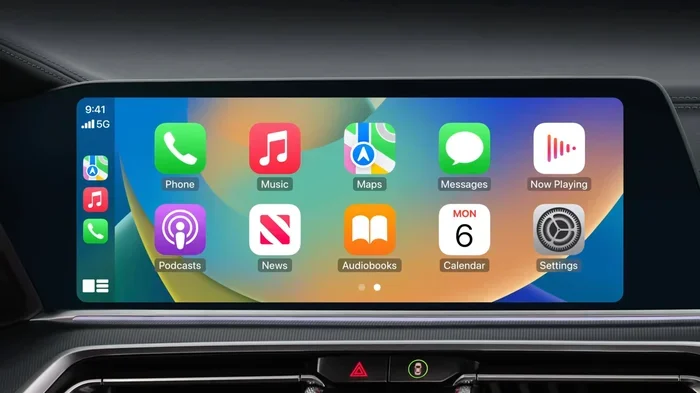
Some cars use cellular connections for clock synchronization. These vehicles have built-in modems that connect to mobile networks. They pull the current time from network towers, just like your phone does. This method also supports automatic time update features.
Cars with built-in Wi-Fi or LTE connections often use this approach. Brands like Tesla, BMW, and Mercedes-Benz use connected systems that pull time data regularly. The result is a highly accurate clock that rarely needs manual input.
Daylight Saving Time and Auto-Adjust
One of the biggest reasons drivers ask about automatic clock sync is daylight saving time. Every spring and fall, clocks shift forward or back by one hour. Modern cars with GPS or cellular time sync handle this daylight saving time shift automatically.
You do not need to wake up early on a Sunday to flip the clock. The car’s system receives the updated time data and applies the change. This is one of the most appreciated smart car features for daily drivers.
Manual Time Changes in Older Vehicles
Not every car has automatic time adjustment. If you drive an older model or a basic trim level, your dashboard clock may need a manual time change several times a year.
How to Reset a Car Clock Manually
Resetting the clock in an older vehicle is usually straightforward. Most cars have a simple process. Here are the general steps:
- Locate the clock controls: These are often buttons near the clock itself or on the dashboard.
- Press and hold the hour or minute button: Hold the button until the numbers start blinking.
- Adjust the hour first, then the minutes: Use the arrow or toggle buttons to set the correct time.
- Confirm the setting: Press the button again or wait a few seconds for the clock to save.
Some older vehicles use a knob or dial for clock adjustment. Others have a separate panel behind the steering column. Check your owner’s manual for the exact steps for your model.
Why Older Cars Lack Auto-Adjustment
Older cars were built before GPS and cellular connectivity became standard. They do not have the hardware needed for automatic time update. The car clock battery in these vehicles is usually just a small coin cell or capacitor. It keeps the clock running but does not receive external time signals.
This means the clock can drift over time. Clock drift is when a clock slowly loses or gains seconds. In older cars, this drift can add up to several minutes over a few months. Regular car clock reset sessions help keep things accurate.
What Happens When You Travel Across Time Zones
Road trips often cross multiple time zones. This raises another common question: does your car clock adjust when you cross into a new time zone change area?
Cars With GPS and Cellular Connectivity
Vehicles with GPS or cellular time sync usually detect time zone change automatically. As you cross into a new zone, the system receives updated coordinates or network data. It then adjusts the infotainment system time to match the local time.
This is incredibly helpful for long road trips. You do not need to stop and manually change the clock every few hours. The car handles it seamlessly in the background.
Cars Without Smart Features
If your car lacks GPS or connectivity, you will need to adjust the clock yourself. This can be annoying during road trips, especially if you cross several time zones in one day. Some drivers keep their clock on a fixed time zone and only change it when they arrive at their destination.
A vehicle clock reset during travel is not difficult, but it does require stopping and pressing a few buttons. If you travel frequently, you might want to consider a standalone GPS clock or a phone mount with a time-syncing app.
Common Car Clock Problems and Fixes
Even with automatic systems, car clocks can develop issues. Here are some common problems and how to fix them.
Clock Resets After a Battery Change
This is one of the most common issues. When you replace your car battery or it dies, the car clock battery loses power. The clock resets to a default time, often 12:00 or midnight. This is normal and not a sign of a broken system.
To fix it, simply follow the manual reset steps for your vehicle. If your car has automatic sync, the clock should update itself within a few minutes once the engine is running.
Clock Drift Over Time
All clocks drift slightly over time. This is true for digital clock car displays and analog clocks alike. In most vehicles, the drift is minimal. You might gain or lose a few seconds per month.
If your clock drifts significantly, it could signal a problem. A weak car battery clock power source or a faulty clock module may be the cause. Have a mechanic check the system if the drift becomes noticeable.
Infotainment Screen Shows Wrong Time
Sometimes the clock on your infotainment screen is wrong even though the main dashboard clock is correct. This can happen if the infotainment system time is not synced to the same source as the main clock.
Go into your infotainment settings and look for a time or date option. Some systems let you toggle between automatic and manual time. Make sure automatic mode is enabled if your car supports it.
Clock Malfunction After Software Update
Modern cars receive over-the-air software updates. Occasionally, these updates can cause a clock malfunction. The clock might freeze, display the wrong time, or lose its sync settings.
A simple restart of the infotainment system usually fixes this. Turn the car off, wait a minute, and turn it back on. If the problem persists, check for another software update that might address the issue.
Tips to Keep Your Car Clock Accurate
Keeping your dashboard clock accurate is easier than you think. Here are some practical tips to help.
- Enable automatic time sync if available: Check your car’s settings and turn on any automatic time or clock sync option.
- Replace the car clock battery regularly: If your car has a backup battery for the clock, replace it every two to three years.
- Check the time after a battery jump start: Always verify the clock after a jump start or battery replacement.
- Update your car’s software: Keep your infotainment system up to date for the best time sync performance.
- Use your phone as a reference: If you are unsure about your car clock’s accuracy, compare it to your phone, which syncs automatically.
Do All Car Brands Handle Time the Same Way?
No, car brands handle time settings differently. Here is a quick look at how some popular brands approach clock synchronization.
- Toyota and Honda: Most models from the last decade offer automatic time sync through GPS or radio signals. Older models require manual input.
- Ford and Chevrolet: Many newer models support automatic time updates. The infotainment system pulls time from connected services.
- BMW and Mercedes-Benz: These luxury brands almost always include GPS-based time sync as a standard feature.
- Tesla: Tesla vehicles use internet connectivity to keep the clock perfectly synced at all times.
- Hyundai and Kia: Newer models from these brands include smart time features. Older models may need manual adjustment.
When buying a car, check whether the model includes automatic time display settings. This feature is more common than it used to be, but it is not universal. Always confirm before purchasing if an auto-syncing clock matters to you.
The Future of Car Clock Technology
Car clock technology is improving every year. Future vehicles will likely have even more precise and seamless time management. Here is what we can expect.
Connected car technology is expanding rapidly. More vehicles will use 5G networks and satellite data for automatic time update. This means even better accuracy and faster clock synchronization across all systems in the car.
Some experts predict that every car will eventually have fully automatic time adjustment. The need for a manual time change or car clock reset may become a thing of the past. Until then, knowing how your current car handles time will help you stay on track.
Final Thoughts
So, do car clocks change automatically with the seasons? The answer is yes for many modern vehicles, but not all. If you drive a newer car with GPS or cellular connectivity, your clock likely handles time changes on its own. If you drive an older or basic model, you will need to perform a car clock reset a few times a year.
Either way, staying aware of how your clock works helps you avoid being late or confused. Take a few minutes to check your car’s time settings. Make sure automatic sync is enabled if your vehicle supports it. A few small steps can save you a lot of hassle throughout the year.
Keep this guide handy for your next car clock reset or time adjustment. Your future self will thank you when the clocks change and you are already on the right time.
Frequently Asked Questions
Why does my car clock reset after I disconnect the battery?
When you disconnect the car battery, the car clock battery loses its stored power. This causes the clock to reset to a default time, usually 12:00 AM. Simply reset the clock after reconnecting the battery, and it should stay accurate going forward.
Do all new cars have automatic daylight saving time adjustment?
Most new cars with GPS or cellular connectivity do adjust for daylight saving time automatically. However, some basic models may still require a manual time change. Check your vehicle’s settings or owner’s manual to confirm whether auto-adjustment is enabled.
Can a weak car battery cause the clock to lose time?
Yes, a weak or failing battery can cause clock drift or even a complete clock malfunction. The clock relies on a steady power source to maintain accuracy. If you notice your clock losing time, have your battery tested by a mechanic.
How do I know if my car has automatic clock sync?
Check your infotainment or dashboard settings for a time or clock option. Look for an automatic sync toggle or a setting that mentions GPS or network-based time. If your car was made in the last five to seven years, there is a good chance it supports automatic clock sync.
Does my car clock change when I cross time zones on a road trip?
If your vehicle has GPS or cellular connectivity, it will likely detect the time zone change and adjust automatically. Older cars or models without smart features will not adjust on their own. You will need to perform a vehicle clock reset when you arrive in a new time zone.
How often should I check my car clock for accuracy?
It is a good habit to check your clock at least twice a year, around the daylight saving time changes. Even digital clock car systems can drift slightly over time. A quick check keeps you on schedule and prevents any surprises.
=== CONCLUSION ===
Do car clocks change automatically? As we have covered, the answer depends on your vehicle’s technology and features. Modern cars with GPS and smart connectivity handle time changes seamlessly. Older vehicles need a manual time change from the driver. Either way, understanding your dashboard clock behavior helps you stay punctual and prepared.
Take a moment today to check your car’s clock settings. Make sure automatic sync is on if your car supports it. Replace the backup battery if needed. These small steps keep your vehicle clock reset needs to a minimum and your daily driving smoother.
Stay informed, stay on time, and enjoy the ride.