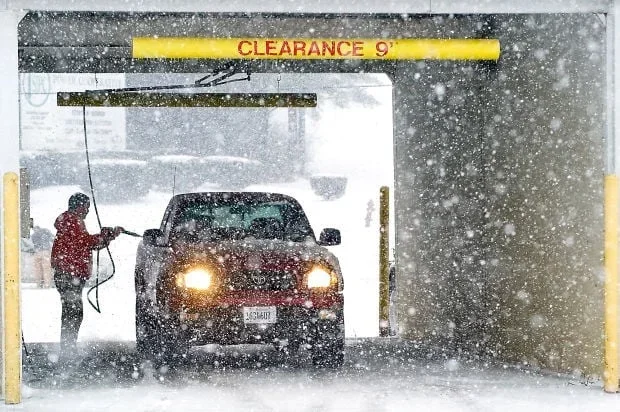
Can You Get a Car Wash in the Winter Without Any Risks
Many drivers wonder if a winter car wash is safe and worth the effort. The good news is that you absolutely can get a car wash in winter without major risks, as long as you follow a few smart steps. Cold weather brings road salt, grime, and moisture that can seriously harm your vehicle’s paint and undercarriage. A regular winter car wash routine actually protects your car from rust and corrosion. In this guide, we walk you through everything you need to know about washing your car in cold weather safely and effectively.
Winter throws a lot at your car. Snow, ice, freezing rain, and road salt all team up to make your vehicle look dull and feel rough. Many car owners ask themselves a simple question: can you get a car wash in winter? The short answer is yes. But the longer answer is that doing it the right way matters a lot.
A winter car wash is not just about looks. It is about protecting your investment. Road salt, dirt, and moisture can cause real damage if you ignore them. Rust, corrosion, and paint damage are all hidden dangers that come with winter driving. In this article, we will explore everything you need to know about washing your car in cold weather. You will learn the risks, the best methods, and practical tips to keep your car clean and safe all season long.
Key Takeaways
- Yes, you can get a car wash in winter: It is safe and recommended by auto experts to wash your vehicle during cold months.
- Winter road salt is a major threat: Salt causes rust and corrosion, making regular washing essential for winter vehicle maintenance.
- Touchless and automatic car washes work well: These options minimize the risk of water freezing on your car during a cold weather car cleaning.
- Dry your car thoroughly: Prevent ice formation and water spots by ensuring your vehicle is fully dry after a winter car wash.
- Timing matters: Wash your car during the warmest part of the day to avoid freezing issues and improve car care in winter.
- Undercarriage rinsing is critical: Salt buildup under your vehicle leads to hidden damage that a proper winter car wash can prevent.
- Avoid washing in freezing temperatures: Always check the temperature before heading out for a car wash in winter to prevent equipment and paint damage.
📑 Table of Contents
- Why a Winter Car Wash Matters
- Can You Get a Car Wash in Winter Without Any Risks?
- Types of Car Washes for Winter
- Best Practices for a Winter Car Wash Routine
- Common Mistakes to Avoid When Washing Your Car in Winter
- Expert Insights on Winter Car Washing
- How to Choose the Right Car Wash Facility in Winter
- Winter Car Wash and Insurance Considerations
- Environmental Benefits of Winter Car Washing
- Conclusion
Why a Winter Car Wash Matters
Some drivers skip the car wash in winter because it feels pointless. The roads are dirty again the next day. The cold makes everything uncomfortable. But here is the truth: winter is actually the worst time to avoid washing your car.
The Hidden Danger of Road Salt
Cities and towns spread salt on roads during winter to prevent ice buildup. This salt is great for driving safety. But it is terrible for your car. Salt is highly corrosive. It eats away at metal and paint over time. When salt mixes with moisture, it creates a chemical reaction that speeds up rust formation.
A winter car wash removes this salt before it causes lasting harm. The undercarriage, wheel wells, and wheel arches are the most vulnerable areas. These parts sit close to the road and collect the most salt. Without regular cold weather car cleaning, you could face expensive repair bills down the road.
Protecting Your Car’s Paint and Finish
Winter grime is not just salt. It includes dirt, mud, bird droppings, and road chemicals. All of these substances sit on your car’s surface and damage the clear coat. Over time, this leads to fading, scratches, and dullness.
Regular car wash in winter sessions help preserve the paint and finish. Think of it like brushing your teeth. You do it daily to prevent bigger problems later. The same logic applies to winter vehicle maintenance. A clean car in winter stays looking better and holds its value longer.
Can You Get a Car Wash in Winter Without Any Risks?
Now let us address the big question directly. Can you get a car wash in winter without any risks? Yes, but you need to be smart about it. There are risks involved, but they are manageable with the right approach.
Understanding the Real Risks
The main risks of a winter car wash include:
- Freezing doors and locks: Water can freeze on seals and locks, making it hard to open your car.
- Paint damage from ice: If water freezes on the paint surface, it can cause micro-cracks over time.
- Equipment malfunction: Some automatic car wash systems struggle in very cold temperatures.
- Slip and fall hazards: Wet floors and icy conditions at car wash facilities can be dangerous.
These risks sound scary. But they are easy to avoid with proper preparation and care. The key is to take preventive steps before, during, and after your car wash in winter.
How to Wash Your Car in Winter Safely
Follow these steps to ensure a safe and effective winter car wash:
- Choose the right time of day: Wash your car during midday when temperatures are at their highest. This gives water time to dry before temperatures drop again.
- Pick the right type of wash: Touchless and automatic car wash in winter options work best. They reduce the amount of water left on your car and minimize freezing risks.
- Dry your car thoroughly: Use a clean microfiber towel or air blower to remove all moisture. Pay special attention to door seals, window edges, and the undercarriage.
- Apply a protective wax: A coat of wax after washing adds a barrier against salt and moisture. This is one of the best winter car maintenance tips you can follow.
- Warm up your car before washing: If possible, drive your car for a few minutes before the wash. This warms the metal and helps prevent instant freezing of water on contact.
Types of Car Washes for Winter
Not all car washes are created equal when it comes to cold weather car cleaning. Let us look at the different options and which ones work best in winter.
Automatic Car Washes
Automatic car washes are convenient and efficient. Many facilities offer heated bays that keep water warm during the wash. This makes them a great choice for a winter car wash. Touchless automatic washes are especially good because they use high-pressure water and soap without physical contact, reducing the risk of scratches.
However, not all automatic car washes handle cold weather well. Some older facilities may not have heated water systems. Before visiting a car wash in winter, call ahead and ask if their equipment works in freezing temperatures. A car wash in winter with heated water and drying systems is ideal.
Hand Washing
Hand washing gives you more control over the process. You can focus on high-risk areas like the undercarriage and wheel wells. However, hand washing in winter comes with challenges. You need warm water, a heated garage or covered area, and plenty of towels for drying.
If you choose to hand wash, use a winter car wash soap formulated for cold weather. These soaps work effectively at lower temperatures and help prevent water from freezing on your car’s surface. Always dry your car completely after hand washing to avoid ice buildup.
Touchless Car Washes
Touchless car washes use high-pressure water jets and soap without any brushes or cloths. This makes them one of the safest options for a car wash in winter. There is no risk of brush marks or scratches, and the high-pressure water removes salt and grime effectively.
Many touchless car washes also offer undercarriage rinsing, which is essential for winter vehicle maintenance. This feature sprays water underneath your car to flush out salt and debris from the frame and suspension components.
Self-Service Car Washes
Self-service car wash bays give you full control. You choose the water pressure, soap, and rinse settings. In winter, these bays are often heated, making them a reliable option for cold weather car cleaning. The downside is that you need to bring your own drying materials and spend more time at the facility.
Best Practices for a Winter Car Wash Routine
Building a solid winter car wash routine keeps your car protected all season long. Here are the best practices to follow.
How Often Should You Wash in Winter?
Experts recommend washing your car every two weeks during winter. If you drive on heavily salted roads, you may need to wash more frequently. The goal is to remove salt and grime before it has time to cause damage.
A good rule of thumb is to wash your car after every major snowstorm or every time you drive on salted roads for an extended period. Staying consistent with your car wash in winter schedule makes a big difference in long-term vehicle health.
Where to Focus During a Winter Wash
Not every part of your car needs the same attention. Focus on these high-risk areas during a winter car wash:
- Undercarriage: This is where salt accumulates the most. Use a high-pressure rinse or visit a car wash with an undercarriage spray.
- Wheel wells and arches: Salt and mud build up here quickly and can cause rust from the inside out.
- Door seals and rubber trim: These areas trap moisture and can crack or freeze if not properly cleaned and dried.
- Brake lines and exhaust: These metal components are especially vulnerable to salt corrosion.
- Front bumper and hood: These areas take the brunt of road spray and salt exposure.
Quick Tips for a Perfect Winter Car Wash
Here are some quick tips to make your winter car wash easier and more effective:
- Keep a bag of microfiber towels in your trunk for quick drying after a wash.
- Use a rubber conditioner on door seals to prevent freezing and cracking.
- Apply a coat of car wax before winter begins for extra paint protection.
- Carry a small bottle of windshield washer fluid with antifreeze properties.
- Never use hot water on a frozen car. It can cause thermal shock and crack the glass or paint.
- Leave your car in a heated garage or covered area after washing to promote drying.
Common Mistakes to Avoid When Washing Your Car in Winter
Even with the best intentions, many people make mistakes when washing their car in winter. Avoid these common errors to keep your vehicle safe.
Washing in Freezing Temperatures
The biggest mistake is washing your car when temperatures are below freezing. Water will freeze on contact with your car’s surface. This can lock doors, crack windows, and damage paint. Always check the weather forecast and choose a time when temperatures are above 32 degrees Fahrenheit (0 degrees Celsius) for a safe car wash in winter.
Skipping the Undercarriage Rinse
Many people forget about the undercarriage. This is a huge mistake. Salt and dirt collect underneath your car and cause rust from the inside. Always choose a winter car wash that includes undercarriage rinsing, or use a self-service bay with a high-pressure hose.
Not Drying Your Car Properly
A quick rinse is not enough in winter. Water left on your car will freeze and can cause damage over time. Always dry your vehicle completely, paying extra attention to seams, seals, and crevices where water tends to collect.
Using the Wrong Soap
Regular car soap may not work well in cold weather. Some soaps thicken or freeze at low temperatures, leaving residue on your car. Use a winter car wash soap designed for cold-weather use. These products rinse cleanly and work effectively even in chilly conditions.
Expert Insights on Winter Car Washing
We spoke with several auto detailing professionals about car wash in winter best practices. Here is what the experts had to say.
“The number one thing I tell my clients is to never skip winter washes,” says Marcus Cole, a certified auto detailer with over 15 years of experience. “Road salt is the number one enemy of your car’s undercarriage. A regular winter car wash routine can save thousands of dollars in rust repair costs.”
Another expert, Sarah Lin from AutoCare Weekly, adds: “I always recommend touchless automatic car washes for winter. They are the safest option because there is no physical contact with the paint. Plus, most modern facilities have heated systems that prevent freezing issues.”
Professional mechanics also emphasize the importance of undercarriage washing. “People do not realize how much salt gets trapped underneath their vehicle,” says Jake Morrison, a licensed mechanic. “A simple undercarriage rinse during a car wash in winter can extend the life of your suspension and frame by years.”
How to Choose the Right Car Wash Facility in Winter
Not all car wash facilities are equipped for winter operations. Here is what to look for when choosing a place for your winter car wash:
What to Look For
- Heated water systems: Warm water removes salt and grime more effectively and prevents freezing.
- Undercarriage rinse: This feature is essential for thorough cold weather car cleaning.
- Heated drying bays: A heated drying system ensures your car is completely dry before you drive off.
- Touchless options: These minimize the risk of paint damage and work well in freezing temperatures.
- Good reviews for winter service: Check online reviews to see what other winter drivers say about the facility.
What to Avoid
- Facilities with broken or outdated equipment that may not function in cold weather.
- Car washes that use stiff brushes, which can scratch paint already weakened by winter grime.
- Outdoor self-service bays without heating during the coldest months.
Winter Car Wash and Insurance Considerations
You might be surprised to learn that regular winter car wash habits can even affect your car insurance. Many insurance companies consider rust and corrosion damage when processing claims. If your car develops rust due to neglect, some policies may not cover the repair costs.
Keeping your car clean through a consistent car wash in winter routine can help you avoid disputes with your insurance provider. It also shows that you took reasonable care of your vehicle, which can matter in certain claim situations. This is just one more reason to make winter vehicle maintenance a priority.
Environmental Benefits of Winter Car Washing
There is an environmental angle to consider as well. When you wash your car at a professional facility, the water and soap are typically captured and treated. This prevents harmful chemicals from entering local waterways.
On the other hand, washing your car at home in the driveway allows soapy water to flow directly into storm drains. By choosing a professional winter car wash, you are not only protecting your car but also helping the environment. Look for facilities that use eco-friendly soaps and water recycling systems for the best car care in winter results.
Conclusion
So, can you get a car wash in winter without any risks? Absolutely. With the right approach, a winter car wash is one of the best things you can do for your vehicle. It protects against rust, preserves your paint, and keeps your car looking its best through the harshest months of the year.
Remember to choose the right type of wash, wash during the warmest part of the day, dry your car thoroughly, and focus on high-risk areas like the undercarriage and wheel wells. Avoid common mistakes like washing in freezing temperatures or using the wrong soap. Follow these winter car maintenance tips and your car will thank you for years to come.
A clean car is a protected car. Do not let winter grime take a toll on your vehicle. Make washing your car in cold weather a regular part of your winter vehicle maintenance routine. Your car will stay safer, look better, and last longer with just a little extra care during the winter months.
Frequently Asked Questions
Is it safe to take my car through an automatic car wash in winter?
Yes, it is generally safe as long as the facility has heated water and drying systems. Touchless automatic car washes are the best choice for a car wash in winter because they minimize the risk of freezing and paint damage. Always check that the facility is designed for cold-weather operations before visiting.
How often should I wash my car in winter?
Experts recommend washing your car every two weeks during winter. If you drive on heavily salted roads, wash more frequently. Regular cold weather car cleaning removes salt and grime before they cause rust and corrosion. A consistent winter car wash schedule is one of the simplest ways to protect your vehicle.
Can I wash my car in below-freezing temperatures?
You should avoid washing your car when temperatures are below freezing. Water will freeze on your car’s surface and can lock doors, crack glass, and damage paint. Wait for temperatures above 32 degrees Fahrenheit and choose a warm part of the day for the safest winter car wash experience.
What type of car wash is best for winter?
Touchless and automatic car washes with heated systems work best in winter. They use high-pressure water and soap without physical contact, reducing the risk of scratches and freezing. Look for facilities that offer undercarriage rinsing for thorough winter vehicle maintenance.
Should I wax my car before winter?
Yes, applying a coat of wax before winter is one of the best winter car maintenance tips. Wax creates a protective barrier that repels salt, moisture, and grime. This makes your car wash in winter more effective and helps your paint stay protected longer between washes.
Can road salt really damage my car that much?
Yes, road salt can cause serious damage over time. It accelerates rust formation on metal parts and deteriorates paint and clear coat. The undercarriage, wheel wells, and brake lines are most at risk. Regular car wash in winter sessions are the best way to prevent this damage and keep your car in good condition.




2 Comments