65 Percent Window Tint Explained Your Complete Guide
65 percent window tint is a lightly tinted car window film that allows 65% of visible light to pass through while blocking the rest. It offers a subtle, stylish look with real benefits like UV protection, heat rejection, and improved privacy. This guide covers everything you need to know before choosing this tint level for your vehicle.
If you have been looking into window tinting for your car, you have probably seen numbers like 5 percent, 20 percent, 35 percent, and 65 percent. Each number represents a different level of darkness. But what does 65 percent window tint actually mean? And more importantly, is it the right choice for your vehicle?
65 percent window tint is one of the lighter options available. It lets in about two-thirds of the natural light while still offering real advantages. Whether you want to reduce glare, protect your interior, or add a touch of style to your ride, this tint level deserves a serious look. In this complete guide, we will walk you through everything you need to know.
We will cover the benefits, the legal side, how it compares to other tint levels, and what to expect during installation. By the end, you will have a clear picture of whether 65 percent tint is the right move for your car. Let us get into it.
Key Takeaways
- 65 percent window tint is a light tint that lets in most natural light while still providing meaningful benefits.
- It blocks a significant amount of UV rays, helping protect your skin and your car’s interior from sun damage.
- Legal restrictions vary by state and region, so always check your local tint laws before installation.
- 65 percent tint works best on side and rear windows, while the windshield typically needs a shade band only.
- Different film types like ceramic, carbon, and dyed offer varying levels of performance at this tint percentage.
- Professional installation ensures a bubble-free, long-lasting finish that maximizes the benefits of your tint.
- 65 percent tint strikes the ideal balance between style, comfort, and legality for most car owners.
📑 Table of Contents
- What Is 65 Percent Window Tint?
- Benefits of 65 Percent Window Tint
- 65 Percent Tint vs Other Tint Levels
- Is 65 Percent Tint Legal?
- How Is 65 Percent Tint Applied?
- Choosing the Right 65 Percent Tint Film
- Common Mistakes to Avoid with 65 Percent Tint
- Expert Insights on 65 Percent Window Tint
- Key Takeaways
- Conclusion
What Is 65 Percent Window Tint?
When we talk about tint percentage, we are referring to visible light transmission, commonly known as VLT. The VLT measures how much light the film allows to pass through your car windows. A 65 percent tint means that 65 percent of light comes through, and the remaining 35 percent is blocked.
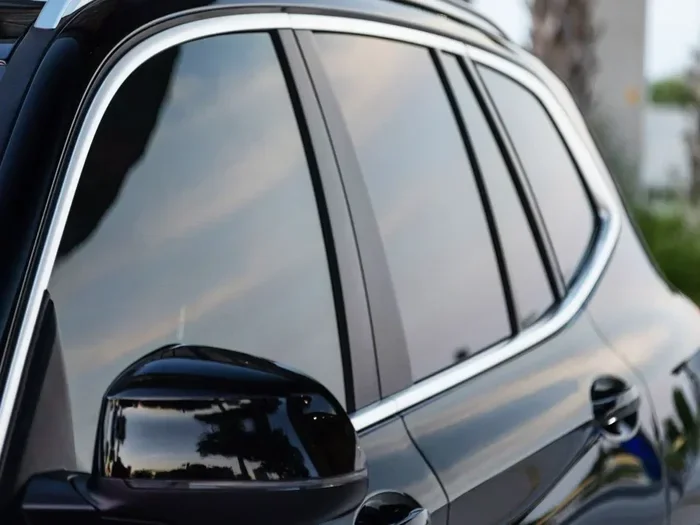
To put it simply, 65 percent window tint is a very light shade. It is barely noticeable from the outside but still delivers solid performance. This makes it a popular choice for people who want the benefits of tinting without going too dark.
How Is Tint Percentage Measured?
The tint percentage is measured using a spectrophotometer, a device that calculates the amount of light passing through the film. The higher the number, the more light gets through. So a 5 percent tint is very dark (often called limousine tint), while a 65 percent tint is very light and nearly clear.
Here is a quick breakdown of common tint levels for reference:
- 5 percent VLT: Very dark. Almost no light passes through. Often illegal for front side windows.
- 20 percent VLT: Dark tint. Popular for a sleek, sporty look.
- 35 percent VLT: Medium tint. A good balance of style and visibility.
- 50 percent VLT: Light tint. Blocks half the light. Great for heat reduction.
- 65 percent VLT: Very light tint. Subtle enhancement with meaningful benefits.
- 70 percent VLT: Nearly clear. Minimal tint effect, mostly for UV protection.
As you can see, 65 percent window film sits in the lighter range. It is not about making your car look like a private limo. It is about smart, practical upgrades to your driving experience.
Benefits of 65 Percent Window Tint
You might wonder why anyone would choose such a light tint. The truth is, even a subtle shade like 65 percent tint brings a surprising number of advantages. Let us break them down.
UV Protection for Your Skin and Car Interior
One of the biggest benefits of automotive tint at any level is UV protection. The sun emits harmful ultraviolet rays that can cause skin damage over time. When you drive with your arm resting on the open window, that UV exposure adds up quickly.
A quality 65 percent window tint film can block up to 99 percent of UV rays. This helps protect your skin during long commutes and road trips. It also prevents your dashboard, seats, and trim from fading or cracking due to sun exposure. Over time, this can save you money on interior repairs and replacements.
Heat Rejection and Cabin Cooling
Nobody likes getting into a hot car after it has been sitting in the sun. Heat rejection is one of the most practical benefits of any window film. Even a light tint like 65 percent can make a noticeable difference.
The film reflects and absorbs a portion of solar energy before it enters your car. This means your cabin cooling starts faster, and your air conditioning does not have to work as hard. The result? A more comfortable driving experience and potentially better fuel efficiency.
Glare Reduction for Safer Driving
Glare from the sun or headlights from oncoming traffic can be distracting and even dangerous. 65 percent window tint reduces glare without making your windows too dark. This means you get a clearer view of the road, especially during bright sunny days or at dusk.
Less glare means less eye strain too. On long drives, this can make a real difference in how comfortable and alert you feel behind the wheel.
Subtle Privacy and Style
While 65 percent tint is not a privacy tint in the traditional sense, it does add a layer of subtle obstruction. People outside will have a slightly harder time seeing into your car, especially at night when the interior lights are on.
From a style perspective, a light tint gives your car a polished, finished look. It enhances the overall appearance without being too aggressive. Many car owners choose this level because it looks clean and professional on any vehicle.
Interior Protection
Beyond UV rays, the sun’s heat and light can cause long-term damage to your car’s interior. Leather seats dry out, plastic dashboards warp, and vinyl trim fades. 65 percent window film helps slow down this damage by filtering out a significant portion of solar energy.
Think of it as a sunscreen for your car. It keeps the interior looking newer for longer, which matters whether you are keeping the car for years or planning to sell it.
65 Percent Tint vs Other Tint Levels
To understand where 65 percent window tint fits in, it helps to compare it with other popular tint levels. Each level serves a different purpose, and the right choice depends on your priorities.
65 Percent vs 50 Percent Tint
A 50 percent tint blocks about half the light, making it noticeably darker than 65 percent. Both levels offer good heat rejection and glare reduction. However, 50 percent provides slightly better privacy and a more defined look.
If you want maximum visibility with light tinting, 65 percent wins. If you want a bit more darkness and style, 50 percent is a great middle ground.
65 Percent vs 35 Percent Tint
A 35 percent tint is a popular choice for those who want a sporty, sleek appearance. It is significantly darker and offers more privacy than 65 percent tint. However, it also reduces visibility more, especially at night.
For daily drivers and commuters, 65 percent window film is often the safer and more practical option. It keeps your view clear while still delivering the core benefits of tinting.
65 Percent vs 20 Percent Tint
A 20 percent tint is considered dark and is popular in the car community for its bold look. It provides excellent privacy and a very stylish appearance. However, it can be too dark for many legal requirements and may reduce nighttime visibility significantly.
65 percent tint is the opposite end of the spectrum. It is about function and subtlety rather than making a bold visual statement.
Comparison Table
| Feature | 65% Tint | 50% Tint | 35% Tint | 20% Tint |
|---|---|---|---|---|
| Light Transmission | 65% | 50% | 35% | 20% |
| Darkness Level | Very Light | Light | Medium | Dark |
| UV Protection | Excellent | Excellent | Excellent | Excellent |
| Heat Rejection | Good | Very Good | Very Good | Excellent |
| Privacy Level | Low | Moderate | Good | High |
| Night Visibility | Excellent | Very Good | Good | Fair |
| Legal Restrictions | Minimal | Moderate | Moderate | Strict |
| Style Factor | Subtle | Clean | Sporty | Bold |
As the table shows, 65 percent window tint offers excellent visibility and the fewest legal concerns. It is an ideal choice for those who prioritize comfort and practicality over a dramatic dark look.
Is 65 Percent Tint Legal?
One of the most important questions about any window tinting level is whether it is legal. The answer depends on where you live, and the rules can vary significantly from state to state and country to country.
Understanding Legal Tint Limits
Most states and regions regulate tinting based on VLT percentages. The rules typically differ for the windshield, front side windows, rear side windows, and rear windshield. For 65 percent window tint, the good news is that it is legal in almost all jurisdictions because it is so light.
In most places, front side windows must allow at least 70 percent or 50 percent of light through. Since 65 percent tint falls in that range, it is generally compliant for side windows in many areas. However, always double-check your local legal tint limits before getting your windows tinted.
Windshield Tint Rules
When it comes to the windshield, most laws restrict tinting to the top portion, often called a shade band. A 65 percent windshield tint strip along the top is usually acceptable, but full windshield tinting is rarely permitted.
The shade band helps reduce glare from the sun without obstructing your view of the road. It is a smart addition that pairs well with 65 percent window film on the side and rear windows.
Tips for Staying Compliant
- Always check your state or country’s specific tint laws before installation.
- Keep your tint receipt and certification paperwork in the car.
- Ask your installer about the VLT rating of the film they use.
- If you are unsure, contact your local Department of Motor Vehicles for guidance.
- Remember that tint laws can change, so stay updated on any new regulations.
Staying legal with your 65 percent window tint is easy because it falls within the acceptable range for most regions. That is one less thing to worry about when you choose this tint level.
How Is 65 Percent Tint Applied?
The application process for 65 percent window tint is similar to other tint levels, but there are some nuances worth understanding. Whether you choose professional installation or a DIY kit, knowing what to expect makes the process smoother.
Professional Installation vs DIY
Professional tint installation is the recommended route for most people. A trained technician uses specialized tools and techniques to apply the film cleanly, without bubbles, wrinkles, or misalignment. The result looks polished and lasts longer.
DIY tint kits are available and can save money, but they require patience and skill. Applying 65 percent window film yourself can be tricky, especially on curved windows. Mistakes often lead to peeling, bubbling, or an uneven finish that looks worse than no tint at all.
The Installation Process Step by Step
Here is what a typical professional installation looks like:
- The technician thoroughly cleans your windows to remove any dirt, dust, or oils.
- The tint film is measured and cut to fit each window precisely.
- A soapy solution is sprayed on the window to help position the film.
- The film is carefully applied and smoothed out using a squeegee.
- Excess water and air bubbles are pushed to the edges.
- The film is trimmed to fit the window edges perfectly.
- The windows are left to cure for 24 to 48 hours before rolling them down.
The entire process usually takes one to two hours depending on the vehicle. Once done, your 65 percent tint will look natural and professional.
How Long Does 65 Percent Tint Last?
The lifespan of your tint depends on the film quality and how well it is maintained. High-quality 65 percent window tint films can last anywhere from five to ten years with proper care.
To extend the life of your tint, avoid rolling down your windows for at least 48 hours after installation. Use a soft cloth and ammonia-free cleaner when wiping your windows. These simple habits keep your tint looking great for years.
Choosing the Right 65 Percent Tint Film
Not all tint films are created equal. When you decide on 65 percent window tint, you also need to choose the right film type. Each type offers different performance characteristics and price points.
Dyed Tint Film
Dyed film is the most affordable option. It uses a layer of dye to absorb heat and reduce light transmission. Dyed 65 percent tint provides decent UV protection and a clean look, but it may fade over time and offers less heat rejection than premium options.
Metallic Tint Film
Metallic films contain tiny metallic particles that reflect heat and add a shiny finish. They offer better heat rejection than dyed films. However, metallic tints can interfere with cell phone signals and GPS navigation.
Carbon Tint Film
Carbon film is a popular middle-ground option. It does not contain metal, so it will not interfere with electronics. Carbon 65 percent tint offers good heat rejection, a matte finish, and excellent durability. It is a solid choice for most car owners.
Ceramic Tint Film
Ceramic film is the premium option. It uses nano-ceramic particles to provide the highest level of heat rejection and UV protection without interfering with electronics. Ceramic 65 percent window tint delivers outstanding performance but comes at a higher price point.
If budget allows, ceramic film is the best investment for long-term performance and comfort. For a more affordable option, carbon film strikes a great balance between quality and cost.
Common Mistakes to Avoid with 65 Percent Tint
Even with a light tint like 65 percent window film, there are common mistakes that car owners make. Avoiding these pitfalls ensures you get the best results from your tint.
Skipping the Legal Check
The most common mistake is not verifying local tint laws. Even though 65 percent tint is legal in most places, the rules for each window can differ. Getting a ticket for illegal tinting is an unnecessary expense that is easy to avoid.
Choosing the Wrong Film Type
Not all films perform the same way at 65 percent VLT. A cheap dyed film may not block enough UV rays or reject enough heat. Investing in a quality film like carbon or ceramic 65 percent tint pays off in the long run.
Ignoring Aftercare Instructions
After installation, your tint needs time to cure properly. Rolling down your windows too early, using harsh cleaners, or wiping the windows roughly can damage the film. Follow your installer’s aftercare instructions carefully.
Choosing the Wrong Installer
The quality of your tint depends heavily on the installer’s skill. A sloppy job leads to bubbles, peeling, and an unattractive finish. Always choose a reputable installer with good reviews and experience with automotive tint specifically.
Expecting Too Much Darkness
Some people expect 65 percent tint to make their car look dark and dramatic. Remember, this is a very light tint. If you want a darker look, consider 50 percent or 35 percent instead. Choosing the right level for your expectations prevents disappointment.
Expert Insights on 65 Percent Window Tint
We asked professional tint installers what they recommend most often for daily drivers, and 65 percent window tint comes up frequently. Here is what the experts have to say.
“A lot of people think tint has to be dark to be effective. That is not true,” says Mark D., a certified tint installer with over 15 years of experience. “A 65 percent tint blocks plenty of UV rays and reduces heat significantly. It is the perfect choice for someone who wants the benefits without the dark look.”
Another installer, Sarah K., adds that 65 percent window film is ideal for first-time tint buyers. “It is a safe, legal, and practical starting point. Once people see how much more comfortable their car is with even a light tint, they often come back for darker windows on their next vehicle.”
The consensus among experts is clear: 65 percent tint is a smart, versatile choice that delivers real value for most drivers.
Key Takeaways
- 65 percent window tint is a light tint that lets in about two-thirds of visible light while blocking the rest.
- It provides excellent UV protection, blocking up to 99 percent of harmful rays that damage skin and interiors.
- Heat rejection and cabin cooling improve noticeably, making summer driving more comfortable.
- Glare reduction enhances driving safety, especially during bright conditions and at dusk.
- 65 percent tint is legal in most jurisdictions, making it a worry-free choice for car owners.
- Different film types including ceramic, carbon, and dyed offer varying performance levels at this tint percentage.
- Professional installation ensures the best results, longevity, and a clean, bubble-free finish.
Conclusion
65 percent window tint is one of the most practical and versatile options available for car owners today. It strikes the perfect balance between style, comfort, and legality. Whether you want to protect your skin from UV rays, keep your car cooler in the summer, reduce glare on bright days, or simply add a polished look to your vehicle, this tint level delivers.
The key is to choose a quality film type, work with a skilled installer, and understand your local tint laws. With the right approach, your 65 percent window tint will look great and perform well for many years.
Do not let the light tint percentage fool you. Even a subtle shade can transform your driving experience. If you have been on the fence about tinting your car, 65 percent window film is an excellent place to start. Your car and your comfort will thank you every time you get behind the wheel.
Take the time to research your options, compare film types, and find a trusted installer. The investment in 65 percent window tint pays dividends in comfort, protection, and style for years to come.
Frequently Asked Questions
What does 65 percent window tint actually do?
65 percent window tint allows 65 percent of visible light to pass through your car windows while blocking the remaining 35 percent. It provides UV protection, reduces heat buildup, cuts glare, and adds a subtle layer of style and privacy to your vehicle.
Is 65 percent tint legal everywhere?
In most regions, 65 percent tint is legal for side and rear windows. However, tint laws vary by state and country. Always check your local legal tint limits before getting your windows tinted to avoid any fines or violations.
Can I see clearly through 65 percent tint at night?
Yes. Because 65 percent window film is very light, it maintains excellent visibility at night. This makes it one of the safest tint options for daily driving, especially for commuters who drive in low-light conditions.
How much does 65 percent window tint cost?
The cost of 65 percent tint varies depending on the film type, vehicle size, and installer. On average, you can expect to pay between $100 and $400 for a full vehicle. Ceramic and premium films will cost more, while dyed or basic films are more affordable.
How long does it take for 65 percent tint to cure?
Most 65 percent window tint installations need 24 to 48 hours to fully cure. During this time, avoid rolling down your windows. The film will harden and bond properly to the glass, ensuring a long-lasting, bubble-free finish.
What is the best film type for 65 percent tint?
Carbon and ceramic films are the best choices for 65 percent window tint. They offer excellent heat rejection and UV protection without interfering with electronics. Ceramic film is the premium option, while carbon provides a great balance of performance and affordability.