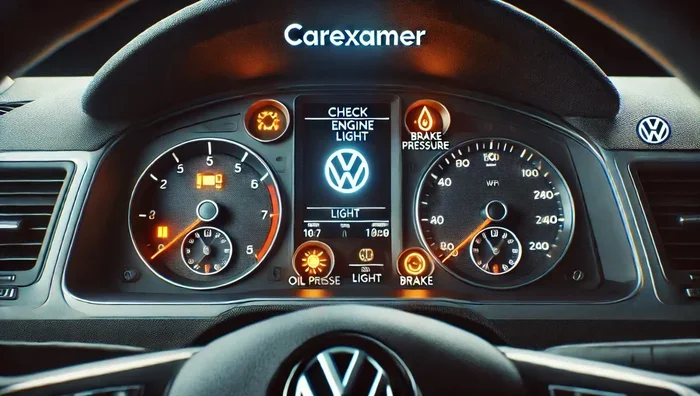
Does Check Engine Light Come On for Oil Change in Volkswagen
Yes, the check engine light can come on for an oil change in Volkswagen, but it depends on the model, year, and what triggered the alert. Many modern Volkswagens use an oil life monitoring system that tracks driving habits and reminds you when service is due. This guide explains why the light appears, what it means for your specific VW model, and how to fix it quickly.
Does the check engine light come on for an oil change in Volkswagen? This is one of the most common questions Volkswagen owners ask. The short answer is yes. But the full answer is a bit more nuanced than a simple yes or no.
Your Volkswagen has a sophisticated system that monitors many things. Oil level, oil quality, and service intervals are all tracked by your car’s computer. When any of these fall outside normal ranges, the check engine light or a service warning may appear on your dashboard.
Understanding what this light means can save you time, money, and unnecessary worry. Some Volkswagen owners panic when they see the warning. Others ignore it completely. Both approaches can lead to problems. The best thing you can do is learn what your specific Volkswagen model does and how to respond.
In this article, we will cover everything you need to know. We will look at why the light comes on, what different warnings mean, how to reset the system, and when to see a mechanic. Whether you drive a Volkswagen Golf, Jetta, Tiguan, Passat, or Atlas, this guide has you covered.
Key Takeaways
- Oil changes can trigger the check engine light: Volkswagen vehicles may display the warning when oil life is low or when the oil change interval has been reached.
- Not all VWs use the same system: Older models use a mileage-based reminder, while newer ones use an intelligent oil life monitoring system.
- The light does not always mean danger: In most cases, a check engine light for an oil change is a maintenance reminder, not a serious engine problem.
- Resetting the light is usually simple: Most Volkswagen models allow you to reset the oil change indicator through the dashboard or steering wheel controls.
- Ignoring the light can cause problems: Delaying an oil change when the light is on may lead to engine wear, reduced performance, and costly repairs.
- Use an OBD-II scanner for clarity: If you are unsure what the light means, a diagnostic tool can read the specific fault code and tell you exactly what is wrong.
- Regular oil changes protect your engine: Staying on top of Volkswagen maintenance schedules keeps your engine running smoothly and extends vehicle life.
📑 Table of Contents
- How the Check Engine Light Works in Volkswagen
- Do All Volkswagen Models Show the Same Warning?
- Why Does the Check Engine Light Come On for Oil Changes?
- How to Reset the Check Engine Light After an Oil Change in Volkswagen
- Common Mistakes Volkswagen Owners Make With the Check Engine Light
- When to See a Mechanic About the Check Engine Light
- Expert Tips for Keeping Your Volkswagen Engine Healthy
- Key Takeaways
- Frequently Asked Questions
- Conclusion
How the Check Engine Light Works in Volkswagen
The check engine light is part of your Volkswagen’s onboard diagnostics system. This system is called OBD-II, which stands for On-Board Diagnostics. It monitors virtually every system in your car. When something is out of range, the computer stores a fault code and turns on the warning light.
In Volkswagen vehicles, the dashboard uses several different warning lights. Each one serves a specific purpose. Understanding the difference between them is important. A yellow or amber light usually means something needs attention but is not an emergency. A red light typically signals an immediate problem that requires you to stop driving.
The Oil Change Reminder vs. the Check Engine Light
Many people confuse the oil change reminder with the check engine light. They are not the same thing. The oil change reminder is a service interval indicator. It tells you that your Volkswagen is due for an oil change based on mileage or driving conditions.
The check engine light, on the other hand, is part of the emissions and engine monitoring system. It can come on for many reasons beyond just oil changes. However, in Volkswagen vehicles, the two systems are sometimes linked. A low oil level or degraded oil quality can trigger the check engine light in some models.
Here are the most common reasons the check engine light comes on related to oil in Volkswagen vehicles:
- Oil life percentage has reached zero — the oil life monitoring system indicates the oil needs replacing.
- Low oil level detected — the oil pressure sensor or level sensor triggers a warning.
- Poor oil quality — the system detects contamination or degradation in the oil.
- Oil pressure drop — a sudden loss of oil pressure triggers an immediate warning.
- Oil change interval reached — the vehicle has hit the scheduled mileage for an oil change.
Do All Volkswagen Models Show the Same Warning?
No, Volkswagen vehicles vary quite a bit when it comes to oil change warnings. The warning system depends on the model year, the specific model, and the trim level. Let us break this down by vehicle category.
Older Volkswagen Models (Pre-2010)
Older Volkswagen models typically use a simple mileage-based oil change reminder. When you hit a certain mileage interval, a small oil can symbol appears on the dashboard. This is not the check engine light. It is a standalone service reminder. In these older models, the check engine light is less likely to come on just for an oil change.
However, if you ignore the oil change reminder for too long, the situation can worsen. Old, degraded oil loses its ability to lubricate engine parts. This can lead to increased friction, overheating, and eventually engine damage. In severe cases, the check engine light may come on because the engine is struggling.
Modern Volkswagen Models (2010 and Newer)
Modern Volkswagen vehicles use an intelligent oil life monitoring system. This system does more than just track mileage. It considers your driving habits, engine temperature, trip length, and other factors. Based on this data, the system calculates when your oil is actually due for a change.
In newer Volkswagen models, the oil life percentage drops gradually on the dashboard display. When it reaches zero, the system will often display a service message. In some cases, this can also trigger the check engine light or a maintenance required warning. The specific behavior depends on your model and the software version.
Here is a quick comparison of how different Volkswagen models handle oil change warnings:
- Volkswagen Golf: Displays oil life percentage on the digital dashboard. A service message appears when oil life reaches zero.
- Volkswagen Jetta: Shows a maintenance light and oil life indicator. The check engine light may also activate in some cases.
- Volkswagen Tiguan: Uses the digital instrument cluster to show oil life status and service reminders.
- Volkswagen Passat: Features a service interval display that can trigger the check engine light if oil conditions are poor.
- Volkswagen Atlas: Uses a multi-information display to show oil life percentage and maintenance alerts.
Why Does the Check Engine Light Come On for Oil Changes?
Understanding why the check engine light activates during an oil change helps you respond appropriately. There are several specific reasons this happens in Volkswagen vehicles.
Oil Life Monitoring System Reset
When you get an oil change, the technician is supposed to reset the oil life monitoring system. If the reset is not done properly, the system may continue to show a warning. In some Volkswagen models, a failed or incomplete reset can trigger the check engine light. This is especially common if the oil change was done at a quick-lube shop that does not use the proper VW-specific reset procedure.
Oil Pressure Sensor Issues
Volkswagen vehicles have oil pressure sensors that monitor the health of your engine oil. If the oil level is too low or the oil pressure drops below normal, the sensor sends a signal to the engine control unit. This triggers the check engine light. Common causes include low oil from a slow leak, overfilling the oil, or using the wrong oil viscosity.
Faulty Oil Level Sensor
Some Volkswagen models have an oil level sensor built into the oil pan. If this sensor malfunctions, it can send incorrect readings to the computer. The result is a false check engine light. This is more common in vehicles with higher mileage. The sensor may need to be replaced if it is giving inaccurate readings.
Using the Wrong Oil
Volkswagen engines are designed to work with specific oil specifications. Most modern VWs require VW 502.00 or VW 504.00 approved oil. If you use oil that does not meet these specifications, the oil life monitoring system may detect a problem. The check engine light can come on as a result. Always check your owner’s manual for the correct oil specification.
Clogged Oil Filter
A clogged oil filter restricts oil flow to the engine. This can cause a drop in oil pressure, which triggers the check engine light. If you have not changed your oil filter during your last oil change, this could be the culprit. Volkswagen recommends replacing the oil filter every time you change the oil.
How to Reset the Check Engine Light After an Oil Change in Volkswagen
Resetting the check engine light after an oil change is usually straightforward in Volkswagen vehicles. However, the exact steps vary by model and year. Here is a general guide that works for most Volkswagen models.
Method 1: Reset Through the Dashboard Menu
Most modern Volkswagen models allow you to reset the service indicator through the instrument cluster display. Here is how to do it:
- Turn the ignition to the “On” position without starting the engine.
- Press the trip button on the steering wheel to access the service menu.
- Navigate to the “Service” or “Maintenance” option.
- Select “Reset” or “Oil Service Reset.”
- Hold the button until the display confirms the reset.
- Turn the ignition off and then start the engine to verify the light is gone.
Method 2: Use the Steering Wheel Controls
Some Volkswagen models use the steering wheel buttons to reset the oil change indicator. The process typically involves holding down the left or right steering wheel button while scrolling through the menu options. Refer to your owner’s manual for the exact button sequence for your specific model.
Method 3: Use an OBD-II Scanner
If the dashboard reset method does not work, you can use an OBD-II scanner. This tool plugs into the diagnostic port under your dashboard. It reads and clears fault codes from the engine control unit. Many auto parts stores offer free OBD-II scanning. You can also purchase a basic scanner for under $30.
Here are some quick tips for resetting the check engine light on your Volkswagen:
- Always reset the light after completing the oil change. This clears the service reminder and prevents false warnings.
- Use VW-approved oil and filters. This helps prevent the light from coming back due to oil quality issues.
- Check the oil level before resetting. Make sure the oil is at the correct level to avoid triggering the light again.
- Do not drive with the check engine light on for extended periods. If the light returns after resetting, have your vehicle inspected.
- Keep your owner’s manual handy. It contains model-specific reset procedures and oil specifications.
Common Mistakes Volkswagen Owners Make With the Check Engine Light
Volkswagen owners often make mistakes when dealing with the check engine light. Avoiding these common errors can save you time and money.
Ignoring the Light Because It Is “Probably Just the Oil”
While the check engine light can come on for a simple oil change reminder, it can also signal a serious problem. Never ignore the light. Always investigate the cause, especially if the light is red or flashing. A flashing check engine light usually indicates a severe issue that requires immediate attention.
Using the Wrong Oil
Using conventional oil when your Volkswagen requires synthetic oil is a common mistake. Volkswagen turbocharged engines especially need high-quality synthetic oil. Using the wrong oil can lead to poor engine performance, increased wear, and trigger the check engine light.
Not Resetting the System After an Oil Change
Many people forget to reset the oil life monitoring system after an oil change. This causes the service reminder to stay on and can sometimes trigger the check engine light. Always reset the system after every oil change to keep your Volkswagen running properly.
Delaying Oil Changes Too Long
Some Volkswagen owners push the oil change interval well past the recommended point. The oil life monitoring system may allow this, but the oil quality degrades over time. Old oil loses its lubricating properties and can cause engine damage. Stick to the recommended oil change schedule for your specific VW model.
Using a Generic Oil Change Service
Not all oil change shops are familiar with Volkswagen-specific requirements. Some may use generic oil or skip the reset procedure. Always take your Volkswagen to a certified mechanic or a shop that specializes in European vehicles for the best results.
When to See a Mechanic About the Check Engine Light
Most of the time, a check engine light related to an oil change is nothing to worry about. However, there are situations where you should see a professional mechanic right away.
If the check engine light stays on after you have reset it and completed an oil change, something else may be wrong. The oil change may have simply coincided with a separate issue. A diagnostic scan can reveal the exact fault code and point you in the right direction.
You should also see a mechanic if you notice any of the following symptoms along with the check engine light:
- Unusual engine noises — knocking, ticking, or grinding sounds can indicate low oil or engine damage.
- Oil leaks under the vehicle — this suggests a gasket or seal problem that needs immediate attention.
- Decreased fuel economy — poor engine performance can be linked to oil-related issues.
- Overheating — if your temperature gauge is rising, pull over safely and check the oil level.
- Smoke from the exhaust — blue or gray smoke can indicate oil burning in the engine.
Regular Volkswagen maintenance goes a long way in preventing these issues. Staying on top of oil changes, fluid checks, and scheduled service keeps your vehicle running at its best. The check engine light is your car’s way of communicating with you. Learning to listen to it is one of the best things you can do as a Volkswagen owner.
Expert Tips for Keeping Your Volkswagen Engine Healthy
Keeping your Volkswagen engine in top shape goes beyond just responding to warning lights. Here are some expert tips that help prevent oil-related check engine light issues.
Check Your Oil Level Regularly
Get in the habit of checking your oil level at least once a month. Volkswagen engines are precision-built and rely on proper oil levels for optimal performance. A simple dipstick check can catch low oil levels before they cause problems. Park your vehicle on a level surface and check the oil when the engine is cool for the most accurate reading.
Follow the Recommended Oil Change Interval
Volkswagen recommends specific oil change intervals based on the model and engine type. Most modern VWs suggest an oil change every 10,000 miles or once a year, whichever comes first. However, if you drive in severe conditions — such as stop-and-go traffic, extreme temperatures, or towing — you may need to change your oil more frequently.
Use Genuine Volkswagen Parts
When it comes to oil and filters, using genuine Volkswagen parts is always a good idea. These parts are specifically engineered for Volkswagen engines. They meet the exact specifications required by your vehicle’s oil life monitoring system. Aftermarket parts can work well too, but make sure they meet VW approval standards.
Keep a Maintenance Log
Maintain a log of all oil changes and service appointments. This helps you stay on track with your Volkswagen maintenance schedule. It also provides valuable records if you ever need to warranty a repair or sell the vehicle. A well-documented maintenance history adds value to your Volkswagen.
Pay Attention to Dashboard Messages
Your Volkswagen dashboard is designed to communicate important information. Do not dismiss warning messages or assume they will go away on their own. Addressing small issues early prevents them from becoming expensive repairs later. The check engine light is your first line of defense against engine problems.
Key Takeaways
- Yes, the check engine light can come on for an oil change: Volkswagen vehicles may display the warning when oil life reaches zero or when oil conditions trigger the system.
- The warning is often a maintenance reminder: In most cases, it is not a sign of a serious engine problem but rather a signal that service is due.
- Reset the system after every oil change: Failing to reset the oil life monitoring system can cause the light to stay on or return quickly.
- Use the correct oil specification: Volkswagen engines require specific oil grades and approvals. Using the wrong oil can trigger the check engine light.
- An OBD-II scanner helps diagnose the issue: If you are unsure what the light means, a diagnostic tool can read the fault code and give you clarity.
- Do not ignore persistent warnings: If the light stays on after an oil change and reset, have your Volkswagen inspected by a qualified mechanic.
- Regular maintenance prevents most issues: Staying current with Volkswagen oil changes and service intervals keeps your engine healthy and your dashboard warning-free.
Frequently Asked Questions
Can I drive my Volkswagen with the check engine light on after an oil change?
If the light is yellow and steady, you can usually drive a short distance to get the oil change completed or the system reset. However, if the light is red or flashing, pull over safely and do not continue driving. A flashing check engine light indicates a serious problem that could damage your engine.
How long after an oil change should the check engine light go off in a Volkswagen?
If the light was triggered by a low oil level or overdue oil change, it should turn off after you reset the oil life system following the oil change. If it stays on for more than a few days after the reset, there may be another issue that needs professional diagnosis.
What oil does Volkswagen recommend for the check engine light to stay off?
Volkswagen recommends using oils that meet VW 502.00 or VW 504.00 specifications. Most modern Volkswagen vehicles require synthetic oil that meets these standards. Always check your owner’s manual for the exact oil specification recommended for your model and engine type.
Can a dirty oil filter cause the check engine light to come on in a Volkswagen?
Yes, a clogged or dirty oil filter can restrict oil flow and cause a drop in oil pressure. This can trigger the check engine light in Volkswagen vehicles. Always replace the oil filter when you change the oil to prevent this issue.
Is it normal for the check engine light to come on during an oil change?
It can be normal, especially if the oil level was low or the oil life system had reached zero. The act of checking or adding oil can sometimes trigger a temporary sensor reading that activates the light. Resetting the system after the oil change usually resolves this.
How much does it cost to reset the check engine light on a Volkswagen?
Resetting the check engine light is usually free if you do it yourself using the dashboard menu or steering wheel controls. If you visit a mechanic or auto parts store, they may charge a small fee for using their OBD-II scanner. Purchasing a basic OBD-II scanner for home use costs between $20 and $50.
Conclusion
The check engine light coming on for an oil change in Volkswagen is a common experience for many owners. In most cases, it is simply a maintenance reminder telling you that your oil change is due. It is rarely a sign of a serious engine problem. However, you should never ignore it.
Understanding how your Volkswagen’s oil life monitoring system works puts you in control. You can reset the light after an oil change, use the right oil specification, and keep your engine running smoothly. Regular maintenance is the best way to prevent check engine light issues and extend the life of your Volkswagen.
Always take a moment to understand what your dashboard is telling you. A quick response to the check engine light can save you from costly repairs down the road. Stay proactive with your Volkswagen maintenance, and your vehicle will reward you with reliable performance for years to come.





4 Comments