Can a Toyota Camry Go 300k Miles and Still Run Great
A Toyota Camry can absolutely go 300k miles and still run great with proper care. This legendary sedan is built for longevity, and thousands of owners have proven it. Regular maintenance, smart driving habits, and timely repairs are the keys to reaching and exceeding the 300k mile mark.
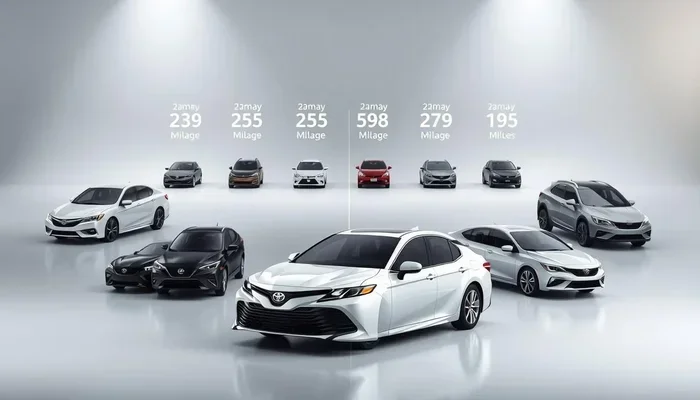
A Toyota Camry rolling past 300,000 miles is not some rare miracle. It is actually quite common. This car has earned a reputation as one of the most reliable sedans on the road. People buy Camrys and drive them well past the 200k mark all the time. But can a Camry go 300k miles and still run great? The short answer is yes. The longer answer involves a mix of smart maintenance, driving habits, and a little bit of luck.
The Toyota Camry has been a favorite for decades. Its reputation for durability draws buyers who want a car that just keeps going. But owning a high-mileage Camry comes with responsibilities. You cannot simply ignore it and expect it to last. The good news is that the Camry is forgiving. It tolerates neglect better than most cars. Still, staying on top of basic upkeep makes all the difference between a Camry that dies at 150k and one that thrives at 300k.
Many owners wonder about the specific parts that wear out first. The engine, transmission, and cooling system all play roles. Understanding how these components age helps you stay ahead of problems. This guide walks you through everything you need to know about pushing a Toyota Camry to 300k miles and keeping it running strong.
Key Takeaways
- Toyota Camrys are built to last: With proper care, these sedans routinely hit 300k miles and beyond.
- Regular maintenance is non-negotiable: Oil changes, fluid flushes, and timing chain inspections keep the engine strong.
- CVT transmission matters: Understanding your Camry’s transmission type helps you plan for long-term ownership.
- Common problems are manageable: Issues like P0171 codes and overheating can be addressed early with vigilance.
- Driving habits affect longevity: Gentle driving and avoiding extreme conditions extend your Camry’s lifespan significantly.
- High-mileage Camrys hold value: A well-maintained 300k mile Camry still offers solid reliability and resale potential.
📑 Table of Contents
Why the Toyota Camry Is Built for Longevity
The Toyota Camry was never designed to be flashy. It was designed to be dependable. That philosophy shows in every bolt and bearing. Toyota engineers build these cars with simplicity and durability in mind. Fewer complicated parts mean fewer things that can break.
The Engine Design Makes a Difference
Most Camrys use straightforward four-cylinder engines. These powerplants are proven workhorses. They do not have exotic components that fail under stress. The engine block is cast iron in many models, which adds serious strength. Over time, this robust design prevents cracks and major failures.
Toyota also uses quality materials throughout the engine. The pistons, rings, and bearings are built to handle heat and pressure for a long time. This is why so many Camrys reach the 300k mile threshold without a full engine rebuild. The internal parts simply wear out very slowly.
A Track Record of Trust
Consumer Reports and J.D. Power consistently rate the Camry among the most reliable cars. These rankings are not just for new models. Older Camrys from the 2000s and 2010s show up in long-term ownership studies too. The data speaks clearly. People keep their Camrys for a very long time.
This long track record means there is a wealth of owner knowledge available. Forums and communities full of Camry fans share tips on extending car life. You can learn from real-world experience, not just manufacturer claims.
Maintenance: The Key to Hitting 300k Miles
No car lasts 300k miles without maintenance. The Camry is no exception. But the good news is that Camry maintenance is straightforward and affordable. You do not need special tools or a luxury mechanic. Basic upkeep goes a long way.
Oil Changes Are Everything
Regular oil changes are the single most important thing you can do. Fresh oil keeps engine parts lubricated and cool. Old oil breaks down and loses its protective properties. For a Camry aiming for 300k miles, stick to a strict oil change schedule. Every 5,000 to 7,500 miles is a solid interval.
Use the oil weight recommended by Toyota. Many owners wonder if they can use 5W-20 instead of 0W-20. The answer depends on your specific model year. Always check your owner manual first. Using the wrong oil can cause unnecessary engine wear over time.
Timing Chain and Internal Components
The timing chain is one of the most critical parts in your Camry’s engine. A bad timing chain can destroy an engine if it breaks. The good news is that Toyota timing chains are designed for longevity. But they are not indestructible.
Can a timing chain last 300,000 miles? In many cases, yes. But it depends on maintenance and driving conditions. Listen for rattling noises when you start the car. That could be an early sign of timing chain wear. Catching this early saves you from a catastrophic engine failure.
Fluid Flushes Prevent Major Problems
Do not skip fluid flushes. Transmission fluid, coolant, and brake fluid all degrade over time. Old coolant can cause overheating, which leads to expensive damage. Transmission fluid keeps your Camry shifting smoothly. Dirty transmission fluid causes wear on internal components.
Flush your coolant every 30,000 miles. Change transmission fluid around 60,000 miles. Brake fluid should be replaced every two years. These are not expensive services, but they prevent costly repairs down the road.
Transmission Longevity in the Camry
The transmission is one of the most expensive parts to replace. Keeping it healthy is essential for a 300k mile Camry. Toyota has used different transmissions in the Camry over the years, and each has its own considerations.
The CVT Transmission Question
Some Camry models use a continuously variable transmission, or CVT. CVTs are known for fuel efficiency but have a mixed reputation for longevity. Can a CVT last 300,000 miles? The answer depends on the model and how well it is maintained.
Modern Toyota CVTs have improved significantly. They use better materials and smarter engineering. But they still need proper care. Keep your CVT fluid clean and avoid aggressive driving. Towing or hauling heavy loads puts extra stress on a CVT. If you are buying a high-mileage Camry, have the transmission inspected carefully.
Traditional Automatic Transmissions
Older Camry models used conventional automatic transmissions. These are generally more durable than CVTs. The 6-speed automatic found in many 2010s Camrys is a solid transmission. With regular fluid changes, it can easily last well past 300k miles.
The key is to watch for warning signs. Slipping gears, rough shifts, or delayed engagement all signal trouble. Addressing transmission issues early prevents major failures. A small repair today can save thousands tomorrow.
Common Problems at High Mileage
Even the most reliable car develops issues as it ages. The Camry is no different. Knowing what to watch for helps you stay ahead of expensive repairs.
Overheating and Cooling System Issues
Can a car overheat on a hot day? Absolutely, and high-mileage Camrys are more vulnerable. The cooling system works harder as components age. A failing water pump, clogged radiator, or leaking hose can all cause overheating.
Check your coolant level regularly. Watch for puddles under your car. If your temperature gauge rises, pull over safely. Overheating can warp the engine block and head gaskets. These repairs are expensive, but they are preventable with regular checks.
Engine Warning Codes
Older Camrys often throw warning codes as they rack up miles. One common code is the P0171 code. This indicates a lean fuel mixture, which can stem from vacuum leaks, dirty sensors, or fuel injector issues. Can you still drive with a P0171 code? In most cases, yes, but not for long.
Ignoring this code can lead to poor fuel economy and engine damage. Get the code read and addressed promptly. Sometimes a simple fix like replacing an oxygen sensor solves the problem. Other times, it signals a deeper issue that needs attention.
Suspension and Wear Items
At 300k miles, suspension components wear out. Shock absorbers, struts, and bushings all degrade over time. You might notice more noise over bumps or a rougher ride. These are normal wear items and relatively affordable to replace.
Do not ignore suspension problems. Worn shocks affect handling and safety. They also cause uneven tire wear, which means you replace tires sooner. Staying on top of suspension maintenance keeps your Camry driving smoothly even at high mileage.
Driving Habits That Extend Your Camry’s Life
How you drive matters just as much as how you maintain your car. Good driving habits reduce wear on every component.
Warm Up Your Engine Gently
Avoid revving a cold engine. Let the oil circulate for 30 to 60 seconds before driving. This is especially important in cold weather. Cold oil is thicker and does not lubricate as well. Giving it a moment to flow protects your engine.
Avoid Aggressive Driving
Hard acceleration and sudden braking wear out parts faster. They put stress on the engine, transmission, and brakes. Smooth driving reduces wear and improves fuel efficiency. Think of your Camry as a long-distance runner, not a sprinter.
Address Small Problems Immediately
A small leak today becomes a big problem tomorrow. Do not ignore dashboard warning lights. Do not skip scheduled maintenance because the car seems fine. Prevention is always cheaper than repair. This mindset is the foundation of high-mileage car ownership.
Is a 300k Mile Camry Worth Buying?
Many buyers wonder whether a high-mileage Camry is a smart purchase. The answer depends on several factors.
Pros of Buying a High-Mileage Camry
- Lower purchase price: A 300k mile Camry costs significantly less than a newer model.
- Proven reliability: If it made it to 300k, the engine and transmission are likely in good shape.
- Lower insurance costs: Older cars typically cost less to insure.
- Depreciation is done: The steepest value loss has already happened.
- Simple repairs: Parts for older Camrys are widely available and affordable.
Cons to Consider
- Maintenance history matters: A Camry with unknown maintenance records is risky.
- Wear items add up: Tires, brakes, and suspension parts all need replacement eventually.
- Technology is outdated: Older models lack modern safety and infotainment features.
- Resale value plateaus: You will not recoup much if you sell later.
Before buying a high-mileage Camry, get a thorough inspection. Have a trusted mechanic check the engine, transmission, and frame. A vehicle history report can reveal accidents or neglect. The right Camry at the right price is a fantastic deal.
Expert Insights on Long-Lasting Camrys
Toyota mechanics and long-time Camry owners share a common perspective. They say the secret is simple: maintain it, drive it gently, and fix small issues before they grow. One veteran mechanic put it this way. The Camry is the Toyota that keeps on keeping on. People underestimate how well these cars are built.
Another common theme among high-mileage Camry owners is consistency. They do not skip oil changes. They do not wait for a breakdown to visit the shop. This disciplined approach pays off over hundreds of thousands of miles.
Experts also emphasize the importance of using quality parts. Aftermarket parts vary widely in quality. OEM Toyota parts are more expensive but offer better fit and durability. For critical components like brakes and suspension parts, investing in quality pays dividends.
The Camry also benefits from Toyota’s extensive dealer network. Even if you do not use a dealer for repairs, the availability of parts and service information is unmatched. This ecosystem supports long-term ownership in a way few other brands can match.
Key Takeaways
- Toyota Camrys are built to last: With proper care, these sedans routinely hit 300k miles and beyond.
- Regular maintenance is non-negotiable: Oil changes, fluid flushes, and timing chain inspections keep the engine strong.
- CVT transmission matters: Understanding your Camry’s transmission type helps you plan for long-term ownership.
- Common problems are manageable: Issues like P0171 codes and overheating can be addressed early with vigilance.
- Driving habits affect longevity: Gentle driving and avoiding extreme conditions extend your Camry’s lifespan significantly.
- High-mileage Camrys hold value: A well-maintained 300k mile Camry still offers solid reliability and resale potential.
Conclusion
So, can a Toyota Camry go 300k miles and still run great? Without a doubt. The Camry is one of the most proven long-distance cars ever made. Thousands of owners have reached this milestone and kept their Camrys on the road for years beyond. The key ingredients are simple: consistent maintenance, quality parts, and respectful driving habits.
If you own a Camry now, keep doing what you are doing. Stay on top of oil changes, fluid flushes, and routine inspections. Listen to your car. Address warning signs early. Your Camry has earned its reputation for a reason.
If you are considering buying a high-mileage Camry, do your homework. Get a full inspection. Check the maintenance history. Look for signs of neglect or abuse. When you find a well-cared-for Camry with 300k miles, you are looking at a car that can still deliver many more miles of reliable service.
The Toyota Camry is more than a car. It is a statement about what matters in automotive ownership. Reliability. Practicality. And the quiet confidence of knowing your car will start every morning. That is what 300k miles is all about.
Frequently Asked Questions
How many miles can a Toyota Camry last?
A well-maintained Toyota Camry can easily last 300,000 miles or more. Many owners report reaching 400k miles with regular care. The key is consistent maintenance and gentle driving habits.
What is the most common problem with high-mileage Camrys?
The most common issues include overheating, transmission wear, and engine warning codes like the P0171 code. These problems are manageable when caught early. Regular maintenance prevents most of them from becoming serious.
Is it worth buying a Camry with 200k+ miles?
Yes, if the maintenance history is solid. A Camry that has been well cared for at 200k miles still has plenty of life left. Always get a pre-purchase inspection before buying any high-mileage vehicle.
How often should I change the oil in my Camry for longevity?
Change your oil every 5,000 to 7,500 miles for best results. Using quality synthetic oil can extend this interval slightly. Consistency with oil changes is the single most important factor in engine longevity.
Can a Camry CVT transmission last 300k miles?
Yes, a Toyota CVT transmission can last 300k miles with proper maintenance. Regular fluid changes are essential. Avoid aggressive driving and heavy towing to maximize CVT lifespan.
What maintenance should I never skip on a high-mileage Camry?
Never skip oil changes, coolant flushes, transmission fluid changes, and brake inspections. These services are affordable and prevent expensive repairs. They are the foundation of keeping your Camry running strong past 300k miles.