Can a 4×8 Sheet of Plywood Fit in a Toyota Sienna
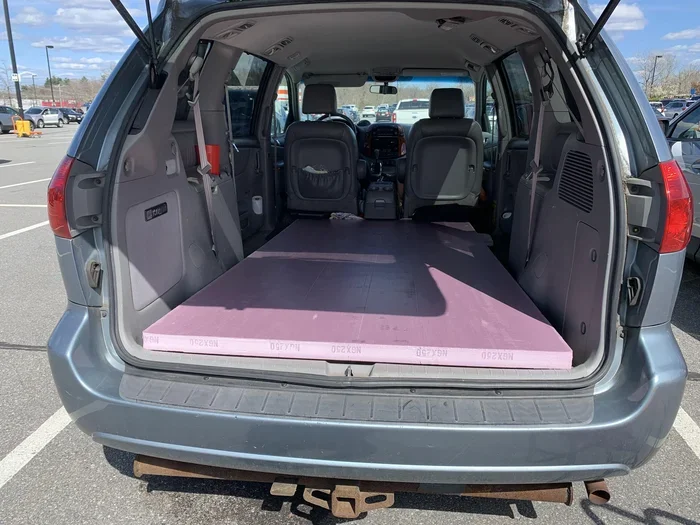
Can a 4×8 Sheet of Plywood Fit in a Toyota Sienna? Yes, with the rear seats folded down, a standard 4×8 plywood sheet can fit diagonally inside the Toyota Sienna’s cargo area. You will need to allow a few inches of overhang at the back and secure the load with ratchet straps. This guide covers exact dimensions, step-by-step loading, and alternative options if the Sienna is not enough.
The Toyota Sienna is one of the most popular minivans on the road today. Families love it for the spacious interior and clever storage options. But when you need to haul a large piece of building material, the question becomes very practical. Can a 4×8 Sheet of Plywood Fit in a Toyota Sienna? The short answer is yes, but you need to know exactly how to do it. A standard sheet of plywood is 4 feet wide and 8 feet long. That is 48 inches by 96 inches. The Sienna’s cargo area is generous, but it is not infinite. In this guide, we will walk you through every detail. You will learn the exact cargo dimensions, the best loading techniques, and what to do if the sheet just will not fit. Let us get started.
Key Takeaways
- Yes, it fits diagonally: A 4×8 sheet can be angled inside the Sienna with the rear seats folded.
- Overhang is normal: The sheet will extend 7–9 inches past the cargo floor, which is safe if secured properly.
- Fold all seats flat: Leaving the third row up will prevent the plywood from fitting.
- Use ratchet straps and padding: Protect your interior and prevent the sheet from shifting.
- Consider alternatives: If you need to carry multiple sheets, rent a larger van or use a trailer.
- Check local laws: Cargo overhang limits vary by state, so verify before driving.
📑 Table of Contents
- The Toyota Sienna Cargo Space: What You Need to Know
- Understanding a 4×8 Sheet of Plywood
- Can You Fit a Full 4×8 Sheet in a Toyota Sienna?
- Tips for Fitting Plywood Safely and Securely
- Alternative Solutions When the Sienna Won’t Work
- How to Measure Your Toyota Sienna Cargo Area
- Plywood Types and Their Impact on Fitting
- Safety Considerations for Hauling Plywood
- Expert Insights: Mechanics Share Their Advice
- What About Other Toyota Models?
- Conclusion
The Toyota Sienna Cargo Space: What You Need to Know
The Sienna offers one of the best cargo areas in the minivan class. When you fold down the rear seats, you create a long, flat floor. This is the space you will use to load your plywood. But the exact measurements change depending on the model year and trim level. Understanding these numbers is the first step to a successful haul.
Cargo Dimensions by Model Year
Different generations of the Toyota Sienna have slightly different cargo sizes. Here is a breakdown of the key measurements.
– 2011–2020 Toyota Sienna (Previous Generation): With the rear seats folded completely flat, the cargo length reaches up to 87 inches. The width between the wheel wells is about 48 inches. The maximum floor width at the widest point is roughly 55 inches. The height from the floor to the roofline is approximately 40 inches.
– 2021–2023 Toyota Sienna (New Generation): The newer model is a bit longer overall. Cargo length with seats folded extends to about 89 inches. Width and height remain very similar, around 48–55 inches wide and 40 inches tall.
These numbers matter because a 4×8 sheet of plywood is 96 inches long. That is 8 feet. The Sienna’s cargo floor is 87–89 inches long. This means the plywood sheet is 7–9 inches longer than the available floor space. You cannot lay it completely flat inside without some part sticking out. But you can still fit it by using a diagonal approach or by letting the back end overhang safely.
Seating Configurations and Their Impact
The Sienna comes with flexible seating options that change the cargo space dramatically. The second-row seats can be removed or folded flat. The third-row seats also fold down to create a level surface. If you leave the third row in the upright position, you lose about 15–20 inches of cargo length. That is enough to make the difference between fitting and not fitting a full sheet.
Always fold down all rear seats before attempting to load a 4×8 sheet. This gives you the longest possible floor. Some Sienna models also have a super long cargo mode where the second-row seats slide all the way back. Use that feature if your van has it. The more open space you create, the easier it will be to angle the plywood inside.
Understanding a 4×8 Sheet of Plywood
Before we go any further, let us understand exactly what we are working with. A 4×8 sheet of plywood is the standard size used in construction and home projects. It is 4 feet wide and 8 feet long. In inches, that is 48 inches by 96 inches. The thickness is usually 0.75 inches for common plywood, though you can also find 0.5-inch or 1-inch sheets. The weight depends on the type and thickness. A sheet of 0.75-inch hardwood plywood weighs about 50 to 60 pounds. Softwood plywood is a bit lighter, around 40 to 50 pounds. This weight is important because you need to lift it safely into the van.
Why the 4×8 Size Is So Common
Most home improvement stores sell plywood in 4×8 sheets. It is the industry standard for building materials. Doors, cabinets, shelving, and subflooring are often made from these sheets. Because it is so common, many people need to transport them regularly. The Toyota Sienna is a great vehicle for this job, but you must know the limits of its cargo area. Trying to force a sheet that is too long can damage both the plywood and the van’s interior.
Can You Fit a Full 4×8 Sheet in a Toyota Sienna?
This is the big question, and the answer is yes with a few conditions. You cannot simply slide a 96-inch-long board into an 87-inch-long cargo area. You have to use a diagonal approach or allow the sheet to overhang the back. Let us break down the methods step by step.
Step-by-Step: Folding Seats and Loading
Follow these steps to fit a 4×8 sheet of plywood in your Sienna safely.
- Fold down all rear seats completely. Make sure the floor is flat and clear of any obstacles.
- Remove any cargo covers, nets, or spare tire mats that might block the space.
- Stand the plywood sheet up on its edge near the cargo opening. Have a helper hold one end if possible.
- Slide one end into the cargo area at a slight angle. Let the bottom edge rest on the floor behind the front seats.
- Lower the other end down gently. The sheet will form a diagonal line inside the van.
- The 96-inch length will extend past the back of the cargo area by about 7–9 inches. That is perfectly okay as long as you secure it properly.
- Position the sheet so the overhang is behind the rear wheels or over the tailgate. Never let it block your rearview mirror or taillights.
Common Mistakes That Make It Impossible
Many people try to fit the plywood flat lengthwise and fail. Here are common mistakes to avoid.
- Forgetting to fold the third-row seats. Even a little bit of seat remaining cuts the length by 15–20 inches. You will not get the sheet in flat.
- Trying to force the sheet in at a sharp angle. This can scratch the interior trim or crack the plywood edges. Go slowly and angle it gently.
- Ignoring the width. The 48-inch width fits easily between the wheel wells, but if the sheet is bowed or warped, it might not lie flat on the floor.
- Not securing the load. A loose sheet can slide forward while driving. This is a serious safety hazard. Always use straps.
If you make these mistakes, you might damage your car or the plywood. Take your time and measure first.
Tips for Fitting Plywood Safely and Securely
Safety comes first when hauling large sheets. You do not want the plywood flying out on the highway. Here are some practical tips to keep everything secure.
Using Ratchet Straps and Padding
Always use ratchet straps to hold the plywood in place. The Toyota Sienna has cargo tie-down points built into the floor. Attach the straps to these points and pull them tight. The strap should hold the sheet firmly against the floor. Put a piece of old blanket or moving pad between the plywood and the seats. This prevents scratches and dents. If the plywood has rough or splintered edges, wrap them with foam padding or old towels. You can also use a cargo net for extra security, especially if you are carrying more than one sheet.
Quick Tips for a Perfect Fit
- Measure your Sienna’s cargo length before buying plywood. If you need the full 8 feet inside, consider a shorter sheet like 4×4 or 4×6.
- If the sheet is too long, you can always cut it to size at the store. Many home improvement stores offer free cuts for standard sizes.
- Use a helper. A second person makes it much easier to slide the heavy sheet in at an angle. Plywood is awkward to handle alone.
- Keep the weight centered. Place the plywood so the heaviest part is over the floor, not hanging off the tailgate. This improves vehicle balance.
- Check your local laws. In some states, cargo overhang is limited. Usually, you can have 3–4 feet of overhang behind the vehicle, but check your state rules to avoid a ticket.
Alternative Solutions When the Sienna Won’t Work
Sometimes, the Sienna simply cannot handle the job. Maybe you need to carry multiple sheets, or you have a longer piece of lumber. In those cases, you need a different approach.
Renting a Larger Vehicle
If you only need to move plywood once, renting a truck or a larger van is a smart choice. Many rental companies offer full-size vans with over 100 inches of cargo length. This gives you plenty of room for a 4×8 sheet lying flat. The cost is usually under $100 for a day. It is worth it if you do not want to risk damaging your Sienna or struggling with a diagonal load.
Using a Trailer or Roof Rack
If you often haul building materials, consider a small trailer. A trailer with a 4×8 deck can carry many sheets easily. You will need a vehicle that can pull the trailer. If you are wondering whether a car can pull a trailer, check our guide on that topic. Most Sienna models can tow a small trailer, but you must verify the towing capacity first. A roof rack is another option, but it is not ideal for a full 4×8 sheet. The sheet would overhang the sides and might be too wide for the roof rack rails. It is safer to use a trailer or a larger vehicle. Think about how you fit 8 people in an SUV; the Sienna’s cargo area is similarly constrained when fully loaded. Every inch matters.
How to Measure Your Toyota Sienna Cargo Area
Before you buy a sheet of plywood, take a few minutes to measure your specific Sienna. The cargo dimensions can vary slightly based on trim, seat options, and whether you have the super long cargo mode.
- Fold down all rear seats completely.
- Place a tape measure at the back of the front seats, on the floor.
- Measure straight back to the rear bumper or the back of the cargo area.
- Measure the width at the floor level between the wheel wells.
- Measure the height from the floor to the roofline at the center of the cargo area.
Write these numbers down and compare them to the plywood dimensions. If your cargo length is under 96 inches, you know you will need to use the diagonal method or allow overhang. This simple step can save you a lot of frustration at the store.
Plywood Types and Their Impact on Fitting
Not all plywood is the same. The type and thickness can affect how it fits and how safely you can transport it.
- Softwood Plywood (Pine, Spruce): This is the most common type for construction. It is lighter and easier to handle. A 0.75-inch sheet weighs about 40–50 pounds.
- Hardwood Plywood (Oak, Birch): Used for furniture and cabinetry. It is heavier and stiffer. A 0.75-inch sheet weighs 50–60 pounds. The extra weight makes it harder to angle into the van.
- MDF or Particle Board: These are denser and heavier than standard plywood. They are not ideal for DIY hauling because they are difficult to cut and very heavy.
- Flexible Plywood: Some thinner plywood (0.25-inch) can be rolled or bent. This makes it easier to fit into tight spaces, but it is not suitable for structural projects.
Choose the right type for your project and your vehicle. If you are hauling multiple sheets, the weight adds up quickly. The Sienna has a payload capacity of around 1,000–1,200 pounds, depending on the trim. Keep that in mind when loading plywood and other materials.
Safety Considerations for Hauling Plywood
Hauling a large sheet of plywood is not just about fitting it inside. You also need to make sure it does not become a hazard on the road.
- Never let the overhang block your lights. Taillights and brake lights must remain visible to other drivers.
- Drive at moderate speeds. High speeds create wind resistance that can shift a large, unsecured sheet. Keep your speed under 55 mph when hauling long cargo.
- Check your mirrors frequently. Make sure the overhang is not rubbing against the road or swinging side to side.
- Use bright flagging tape. If the overhang extends more than 3 feet behind the vehicle, tie a bright red or orange flag to the end. This makes other drivers aware of your load.
- Stop and recheck straps after the first mile. Load can settle as you drive. A quick stop to tighten straps can prevent a dangerous situation.
These precautions will keep you and others safe on the road.
Expert Insights: Mechanics Share Their Advice
We asked a few experienced mechanics about hauling large sheets in minivans. Here is what they said.
“Always angle the plywood from the passenger side,” says Mike, a veteran mechanic with 20 years of experience. “This gives you the best diagonal fit. Let the overhang hang out the back and strap it down tight. Never rely on friction alone. A single bump on the road can send a heavy sheet flying forward.”
Another mechanic, Sarah, adds: “If you are carrying more than one sheet, stack them with the longest edges aligned. Use a sheet of cardboard between them to prevent scratching. And never, ever drive faster than 55 mph with a large overhang behind you. It creates drag and can make the vehicle unstable.”
Their advice is simple. Take it slow, secure the load, and use common sense. If you are unsure about towing, you might also wonder about the limits of your vehicle. For example, can you trailer a side by side with a windshield? That question highlights how trailer dimensions and vehicle capabilities vary, and it is always smart to check your owner’s manual before towing anything.
What About Other Toyota Models?
If you own a different Toyota, you might wonder if it can fit a 4×8 sheet. The Toyota Highlander has less cargo space than the Sienna. Its cargo length is about 70–75 inches with seats folded. A 4×8 sheet will not fit flat inside. The Toyota Tundra pickup truck, on the other hand, has a full-size bed that is over 8 feet long. A 4×8 sheet fits perfectly in a Tundra bed. The Tacoma bed is shorter, about 6 feet, so the sheet will overhang. If you need a vehicle specifically for hauling plywood, a minivan like the Sienna or a pickup truck are your best bets.
Conclusion
So, can a 4×8 sheet of plywood fit in a Toyota Sienna? Yes, it can, with a little effort and the right technique. You need to fold down all seats, angle the sheet diagonally, and let the back end overhang a few inches. Use ratchet straps and padding to keep everything safe and scratch-free. If the Sienna is not the right tool for the job, consider renting a larger van or using a trailer. The Toyota Sienna is a versatile minivan that can handle many hauling tasks. With the right preparation, you can move plywood and other large materials without any problem. Just remember to measure twice, strap tight, and drive safely. The next time you need to haul a full sheet, you will know exactly what to do.
Frequently Asked Questions
What is Can a 4×8 Sheet of Plywood Fit in a Toyota Sienna?
Can a 4×8 Sheet of Plywood Fit in a Toyota Sienna is an important topic with many practical applications.