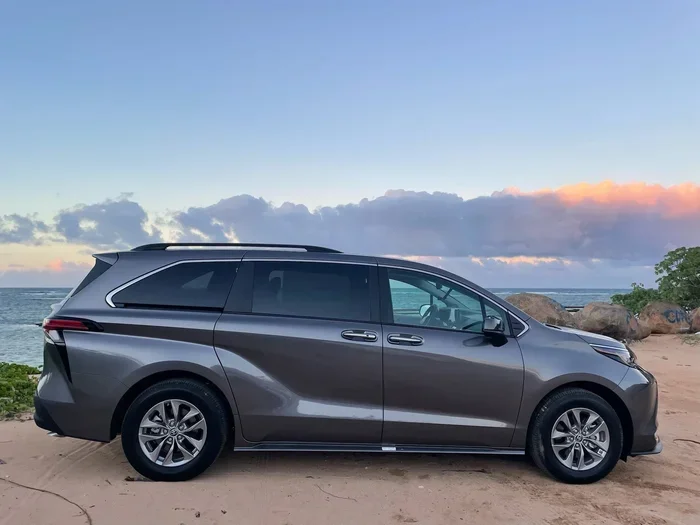
What Happens When a Hybrid Runs Out of Gas and Youre Stuck
When a hybrid runs out of gas, the car will shut down and leave you stranded. The electric motor cannot power the vehicle alone in most hybrid designs. Knowing what to do can save you time, money, and a lot of stress on the road.
Imagine this. You are driving down the highway. Your hybrid car is humming along quietly. Then the fuel gauge drops to empty. You keep driving anyway. Maybe you think the electric motor will save you. But it does not. The car sputters and dies. Now you are standing on the side of the road wondering what just happened. This is exactly what happens when a hybrid runs out of gas and you are stuck.
Many people buy hybrid vehicles because they want better fuel efficiency and lower emissions. They love the idea of using an electric motor alongside a gasoline engine. But here is the truth most owners do not know. A hybrid still needs gas to operate. The electric motor helps, but it cannot replace fuel entirely. When the tank goes dry, the whole system shuts down. You are left stranded, possibly with damage to your car. Let us break down exactly what happens, why it happens, and what you should do.
Key Takeaways
- Hybrids need gas to run: The electric motor works alongside the gasoline engine, not instead of it.
- You will not get a warning second: Once the fuel gauge hits empty, the car stops quickly.
- You cannot drive on battery alone: Most hybrids need gas to generate electricity and keep the system alive.
- Call roadside assistance: A tow truck is your best option when you are stuck.
- Prevention is simple: Keep your tank at least a quarter full and watch your fuel gauge.
- Damaging the hybrid system is possible: Running on empty can harm the fuel pump and battery.
📑 Table of Contents
- How a Hybrid Car Actually Works
- What Happens When a Hybrid Runs Out of Gas
- Can You Drive a Hybrid on Battery Alone?
- What to Do When You Are Stuck
- How to Prevent Running Out of Gas in a Hybrid
- Common Myths About Hybrids and Fuel
- How Hybrid Fuel Systems Differ from Regular Cars
- What Happens to the Hybrid Battery When You Run Out of Gas
- What to Do After You Refuel
- Real Stories: What Happens When a Hybrid Runs Out of Gas
- Key Takeaways
- Conclusion
How a Hybrid Car Actually Works
Before we talk about running out of fuel, you need to understand how a hybrid vehicle works. Most people have the wrong idea. They think the electric motor does all the work. That is not true. A hybrid uses two power sources working together.
The Gasoline Engine
The gasoline engine is the main power source in most hybrids. It burns fuel just like a regular car. It provides the energy needed for highway driving and acceleration. Without gas, the engine cannot run. Simple as that.
The Electric Motor
The electric motor works alongside the gasoline engine. It helps save fuel during low-speed driving. It also powers the car when you are idling at a red light. But here is the key point. The electric motor gets its energy from the hybrid battery. And that battery gets charged by the gasoline engine and through regenerative braking.
Regenerative Braking
Regenerative braking is a clever system. When you hit the brakes, the electric motor works in reverse. It captures energy and sends it back to the battery. This helps recharge the hybrid battery while you drive. But this system only works when the car is already running. If the gas tank is empty, the car stops. And a stopped car cannot regenerate power. The cycle breaks.
The 12-Volt Battery
Every hybrid also has a small 12-volt battery. This is the same type of battery in a regular car. It powers the electronics, lights, and computer systems. But it does not move the car. The hybrid battery does that. The 12-volt battery keeps the systems alive until the hybrid battery is drained too.
What Happens When a Hybrid Runs Out of Gas
So what actually happens when the fuel runs out? It is not like a regular car where you just coast to a stop. A hybrid running out of gas behaves differently. Here is the step-by-step breakdown of what you can expect.
Step One: The Warning Signs
Most hybrid vehicles give you some warning before the fuel runs completely. The fuel gauge will show empty. A hybrid warning light may appear on the dashboard. Some models display a message telling you to refuel. The miles remaining counter will drop to zero or near zero. These are your last chances to find a gas station.
Step Two: The Car Starts Losing Power
Once the fuel level hits the bottom, the gasoline engine starts to sputter. The car loses acceleration. You may feel the engine cut in and out. The electric motor tries to help, but it cannot do the job alone. The hybrid system needs the gasoline engine to generate electricity. Without fuel, the battery starts draining fast.
Step Three: The Car Shuts Down Completely
After the fuel is gone, the car dies. The engine stops. The electric motor stops. Everything goes dark. You are now stranded. The hybrid battery still has some charge left, but the car will not let you use it to drive. The hybrid system is designed to prevent this. It needs the gasoline engine to keep the battery charged while driving.
Step Four: The Electronics Fade
Even after the car shuts down, the 12-volt battery keeps the lights and computer running for a short time. But once the 12-volt battery drains too, everything goes dark. Your power windows stop working. Your radio turns off. The car is completely dead. You are now fully stuck.
Step Five: Potential Damage
Running a hybrid vehicle on empty can cause real damage. The fuel pump needs gasoline to stay cool. When the tank is dry, the pump can overheat. The fuel filter can get clogged with sediment that settles at the bottom of the tank. The hybrid battery may also suffer if it is drained too low. These repairs can be expensive. They are also completely preventable.
Can You Drive a Hybrid on Battery Alone?
This is the question most people ask. The short answer is no. Not in the way most people think. Let us clear this up.
Some plug-in hybrid electric vehicles (PHEVs) can drive a short distance on electric power alone. Toyota Prius Prime, for example, can go about 25 miles on battery power before the gasoline engine kicks in. But even these vehicles need gas eventually. The electric-only range is limited. It is not designed to replace fuel entirely.
Standard hybrid cars like the regular Toyota Prius cannot drive on battery alone for any meaningful distance. The electric motor might move the car a few hundred feet at low speed. But that is it. The hybrid system will shut down the car to protect the battery from draining too much.
Here is the important part. Even if your car could roll a few feet on battery power, you cannot recharge the hybrid battery while moving without gas. The gasoline engine is the charger. Without it, the battery drains and the car stops again. You are stuck either way.
What to Do When You Are Stuck
So you are standing on the side of the road. Your hybrid car is dead. The tank is empty. What now? Do not panic. Here is exactly what you should do.
1. Pull Over Safely
Turn on your hazard lights. Move to the right shoulder if you are on a highway. Find a flat, safe spot away from traffic. Do not try to push the car on a busy road. Hybrid vehicles are heavier than regular cars because of the battery pack. Pushing them is very difficult and dangerous.
2. Call for Roadside Assistance
This is your best option. Call your roadside assistance provider or a tow truck service. Most insurance plans include roadside help. Check yours before you need it. A tow truck can take you to the nearest gas station or repair shop. Some services will even bring you a small amount of fuel to get you going again.
3. Do Not Try to Push the Car
You might be tempted to push the car to a safer spot or a gas station. Do not do this. Hybrid cars have a neutral mode but pushing them can damage the hybrid system. The weight of the battery pack makes them hard to move. You could hurt yourself or damage the car.
4. Keep Your Fuel Card Handy
If you are near a gas station, you might be able to walk there with a gas can or a fuel card. Some gas stations offer delivery services too. You can order fuel to your location through apps like Upside or Fueler. This costs a little extra but it gets you back on the road fast.
5. Check Your Warranty
If running out of gas caused damage to your hybrid system, check your warranty. Some hybrid vehicle warranties cover specific components. The fuel pump and hybrid battery may be included. Read your warranty details carefully. You might save money on repairs you did not expect.
How to Prevent Running Out of Gas in a Hybrid
The best way to avoid this situation is to prevent it from happening. Here are some simple tips to keep your hybrid vehicle running smoothly.
1. Watch Your Fuel Gauge Closely
Do not ignore the fuel gauge. Many people wait until the light comes on before they refuel. With a hybrid car, this is risky. The hybrid warning light tells you the fuel is low, but you still have some gas left. Use that time to find a station. Do not push your luck.
2. Keep Your Tank at Least a Quarter Full
A good rule of thumb is to keep your tank at least one-quarter full at all times. This protects the fuel pump from overheating. It also keeps sediment from clogging the fuel filter. You will always have enough fuel to reach the next station.
3. Know Your Electric-Only Range
Understand how far your hybrid car can go on battery power alone. This varies by model. Check your owner’s manual for the exact numbers. Knowing this helps you plan your trips better. You will not overestimate how far you can go.
4. Use Regenerative Braking to Your Advantage
Regenerative braking helps keep your hybrid battery charged. Drive smoothly and coast to stops when possible. This maximizes the energy captured during braking. It also improves your overall fuel efficiency. You will use less gas and go further.
5. Plan Your Routes Around Gas Stations
When taking a long trip, plan your route around gas stations. Use apps like Google Maps or GasBuddy to find stations along the way. Do not rely on your miles remaining counter to get you there. Always have a backup plan.
6. Keep Emergency Supplies in Your Car
Always have a small emergency kit in your hybrid vehicle. Include a flashlight, a phone charger, and a gas can if space allows. These small items can make a big difference if you ever get stuck. Being prepared is the best defense against any roadside problem.
Common Myths About Hybrids and Fuel
There are a lot of myths floating around about hybrid cars and fuel. Let us clear up some of the most common ones.
Myth One: Hybrids Can Run on Electricity Alone Forever
This is false. A hybrid vehicle needs gas to keep the hybrid battery charged. The electric motor is a helper, not a replacement for the gasoline engine. Without gas, the car stops. Period.
Myth Two: You Can Jump-Start a Hybrid with a Dead Battery
You cannot simply jump-start a hybrid car the same way you would a regular car. The hybrid battery is a high-voltage system. Jump-starting it incorrectly can cause serious damage or injury. Always call a professional for help.
Myth Three: Regenerative Braking Will Keep You Running
Regenerative braking recovers energy, but it does not create energy from nothing. You need the gasoline engine running to generate the electricity that gets recovered. A dead gas tank means no power generation, which means no regenerative braking benefits.
Myth Four: Hybrids Are Too Complicated to Maintain
This is not true. Hybrid vehicles are actually quite reliable. They have fewer moving parts than traditional cars in some areas. The hybrid battery is designed to last many years. Regular maintenance like oil changes and tire rotations keeps everything running smoothly.
How Hybrid Fuel Systems Differ from Regular Cars
Understanding the difference between a hybrid fuel system and a regular car fuel system helps explain why running out of gas hits harder. A regular car has one power source: the gasoline engine. When the gas runs out, the car stops. You refuel and go. Simple.
A hybrid vehicle has a more complex setup. It has both a gasoline engine and an electric motor. Both systems need to work together. The hybrid battery depends on the gasoline engine to stay charged. When the gas runs out, both systems suffer. The electric motor has no power source. The gasoline engine has no fuel. Everything stops at once.
This is why hybrid cars can be more frustrating to deal with when you run out of fuel. A regular car can sometimes limp to a station on fumes. A hybrid cannot do that. The hybrid system shuts down completely to protect itself. There is no limp mode, no coasting, no backup plan.
| Feature | Regular Car | Hybrid Car |
|---|---|---|
| Power Source | Gasoline engine only | Gasoline engine + electric motor |
| Can Run on Fumes? | Sometimes, briefly | No, system shuts down |
| Electric-Only Mode | Not available | Limited, short distance only |
| Battery Recharging | Alternator powered by engine | Engine + regenerative braking |
| Damage Risk When Empty | Fuel pump strain | Fuel pump + hybrid battery risk |
| Restart After Refueling | Simple restart | May need reset of hybrid system |
As you can see from this comparison, hybrid cars have more going on under the hood. This makes them more efficient but also more complex. When something goes wrong with the fuel system, there are more things that can go wrong. That is why prevention matters so much.
What Happens to the Hybrid Battery When You Run Out of Gas
The hybrid battery is the heart of any hybrid vehicle. It stores the electrical energy that powers the electric motor. When you run out of gas, the battery goes through a specific sequence.
First, the battery continues to power the car using whatever charge it has left. This might last a few hundred feet or a few minutes, depending on the model. Then the hybrid system cuts power to protect the battery. It will not let the battery drain completely. This is a safety feature designed to prevent long-term damage.
However, if you repeatedly run your hybrid car on empty, the battery can suffer over time. Deep discharges reduce the overall lifespan of the hybrid battery. Each time you let the battery drain too low, you shorten its useful life. Over months and years, this adds up. You may find yourself needing an expensive battery replacement sooner than expected.
The hybrid battery is one of the most expensive components in a hybrid vehicle. Replacing it can cost anywhere from $1,000 to $6,000 or more depending on the model. Keeping your tank full is one of the easiest ways to protect this investment. It costs nothing more than a few extra minutes at the gas station.
What to Do After You Refuel
Once you get fuel in your tank, you might think the car will just start right up. Sometimes it does. Other times, you need to take a few extra steps.
First, turn the ignition to the “on” position without starting the engine. Wait about 30 seconds. This allows the hybrid system to run its self-check. The car will verify that the fuel pump has pressure and the hybrid battery is charging properly.
Then start the engine. You may hear the gasoline engine kick on right away. This is normal. The hybrid system needs to rebuild fuel pressure and recharge the battery. Give it a minute or two before you drive off.
If the car does not start after refueling, do not keep trying. You may have air in the fuel lines. This can happen when the tank runs completely dry. Call a mechanic or roadside assistance. They can bleed the fuel lines and get your car running again safely.
Real Stories: What Happens When a Hybrid Runs Out of Gas
Let me share a few real-world examples. These stories from actual hybrid vehicle owners show what can go wrong when you run out of fuel.
Story One: A Prius owner was driving on a long highway trip. He ignored the fuel gauge and kept pushing it. Eventually, the car died on the highway shoulder. He called a tow truck and learned the fuel pump had overheated. The repair cost him $450. He said he would never let the tank get that low again.
Story Two: Another driver bought a used hybrid car and did not understand how the system worked. She thought she could drive on battery alone. She ran out of gas in a parking lot. The car would not restart even after refueling. A mechanic told her the hybrid battery had been damaged from repeated deep discharges. She needed a new battery at a cost of $3,200.
Story Three: A third driver kept his tank above a quarter full at all times. He never had a problem. He simply made it a habit to refuel early. He said it gave him peace of mind and saved him from expensive repairs. His hybrid vehicle has over 150,000 miles on the odometer with no major issues.
These stories show a clear pattern. The drivers who take care of their fuel system stay on the road. The ones who ignore the warning signs end up with costly repairs and stressful situations.
Key Takeaways
- Hybrids need gas to run: The electric motor works alongside the gasoline engine, not instead of it.
- You will not get a warning second: Once the fuel gauge hits empty, the car stops quickly.
- You cannot drive on battery alone: Most hybrids need gas to generate electricity and keep the system alive.
- Call roadside assistance: A tow truck is your best option when you are stuck.
- Prevention is simple: Keep your tank at least a quarter full and watch your fuel gauge.
- Damaging the hybrid system is possible: Running on empty can harm the fuel pump and battery.
Conclusion
So what happens when a hybrid runs out of gas and you are stuck? The car shuts down. The electric motor cannot save you. The hybrid system protects itself by cutting power. You are left stranded until you can refuel or get a tow truck. It is a stressful situation, but it is completely preventable.
The best thing you can do is keep your tank at least a quarter full. Watch your fuel gauge and hybrid warning light closely. Understand that your hybrid vehicle still needs gas to operate. The electric motor is a helper, not a replacement for fuel.
If you ever do find yourself stuck, stay calm. Pull over safely. Call for roadside assistance. Do not try to push the car or jump-start it yourself. A little preparation goes a long way. Keep an emergency kit in your trunk. Know your hybrid system and how it works. These small steps can save you a lot of trouble down the road.
Owning a hybrid car is a great experience. These vehicles offer excellent fuel efficiency and lower emissions. They are fun to drive and reliable when maintained properly. Just remember that they still need gas. Treat the fuel system with respect, and your hybrid vehicle will serve you well for many miles to come.
Frequently Asked Questions
Can a hybrid car start after running out of gas?
Yes, in most cases. After you refuel, turn the ignition to the “on” position and wait about 30 seconds. This lets the hybrid system run its self-check. Then start the engine. If it does not start, there may be air in the fuel lines. Call a mechanic for help in that case.
How far can a hybrid car go on battery alone?
Most standard hybrids can only go a few hundred feet on battery power at low speed. Plug-in hybrids like the Prius Prime can go about 25 miles on electric-only mode. But even plug-in hybrids need gas for longer trips. The battery alone is not meant to replace fuel entirely.
Will running out of gas damage my hybrid battery?
It can. Deep discharges from repeatedly running on empty reduce the lifespan of the hybrid battery. The battery may also be damaged if it drains completely. Keeping your tank at least a quarter full helps protect both the fuel pump and the hybrid battery from harm.
What should I do if my hybrid dies on the highway?
Turn on your hazard lights immediately. Move to the right shoulder if possible. Do not try to push the car. Call roadside assistance or a tow truck. Most insurance plans include this service. Stay safe and wait for professional help to arrive.
Is it harder to refuel a hybrid after it runs empty?
Sometimes. When a hybrid tank runs completely dry, air can get into the fuel lines. This may cause the car to sputter or not start right away after refueling. Let the car sit for 30 seconds after turning the key to the “on” position. This helps the fuel pump build pressure and clear any air from the lines.
Do all hybrid cars behave the same way when they run out of gas?
No, there are differences. Standard hybrids shut down completely when the tank is empty. Plug-in hybrids may have a slightly longer electric-only range. But all hybrids ultimately need gasoline to keep the system running. Check your owner’s manual for model-specific details about your hybrid vehicle.