Car Wont Start in Cold Weather but Battery Is Good
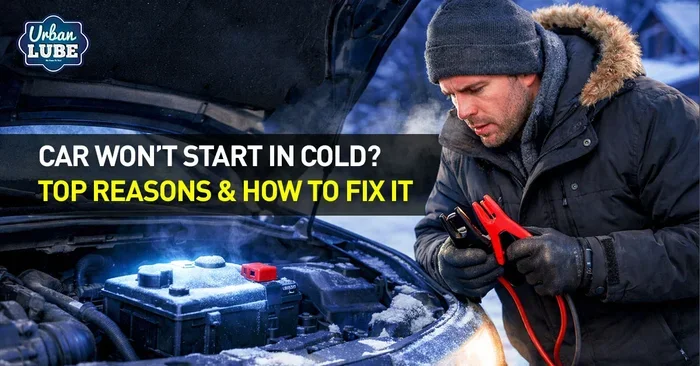
When your car won’t start in cold weather but the battery is good, it can be frustrating and confusing. Several hidden issues like thickened engine oil, frozen fuel lines, faulty spark plugs, and weak starter motors can all cause cold-weather starting problems. This guide walks you through the most common causes, proven fixes, and simple prevention tips to help you get back on the road fast.
You turn the key or press the start button, and nothing happens. Your engine doesn’t crank, no lights flicker, and the dashboard stays dark. You know your battery is good because you just tested it or replaced it recently. So what gives?
This is one of the most common car problems people face during winter. A car won’t start in cold weather but battery is good situation is more common than you think. Many drivers assume the battery is always the villain, but cold weather can cause a long list of other issues that mimic battery failure.
In this article, we break down every possible reason your car refuses to start when temperatures drop. We also share practical fixes and prevention tips that actually work. Whether you’re dealing with this for the first time or it keeps happening every winter, you’ll find the answers here.
Let’s get into it. No fluff, no guesswork, just clear and helpful advice to get you back on the road.
Key Takeaways
- Good battery doesn’t mean no problems: Cold weather affects many car systems beyond just the battery.
- Thickened oil and frozen fuel lines are two of the most common hidden culprits for cold-weather no-starts.
- Regular winter maintenance like checking antifreeze, using winter-grade oil, and keeping the fuel tank full can prevent most issues.
- DIY diagnostics can save you time and money before visiting a mechanic.
- Knowing when to call a professional prevents minor problems from becoming costly repairs.
📑 Table of Contents
- Why Cold Weather Causes Car Starting Problems
- Common Reasons a Car Won’t Start in Cold Weather
- How to Diagnose the Problem Yourself
- Prevention Tips for Winter Starting Reliability
- When to Call a Professional Mechanic
- Comparing Cold-Weather Starting Problems
- Quick Tips for Cold-Weather Starting Success
- Final Thoughts
Why Cold Weather Causes Car Starting Problems
Cold weather is tough on cars. It affects almost every system that helps your engine turn over and run. Even if your battery reads full voltage, the cold can still stop your car from starting. Here is why.
How Cold Affects Your Car’s Electrical System
Your battery might be fully charged, but cold temperatures slow down the chemical reactions inside it. This means it delivers less power than it should. A battery that reads 12.6 volts on a warm day might only deliver 10 volts in freezing weather.
That extra strain also falls on the starter motor. The starter has to work much harder to turn a cold engine. If the starter is already weak, cold weather can push it over the edge. This is one reason a car won’t start right after turning off in cold conditions, because the starter motor heats up and then cools down rapidly.
The Role of Engine Oil in Cold Weather
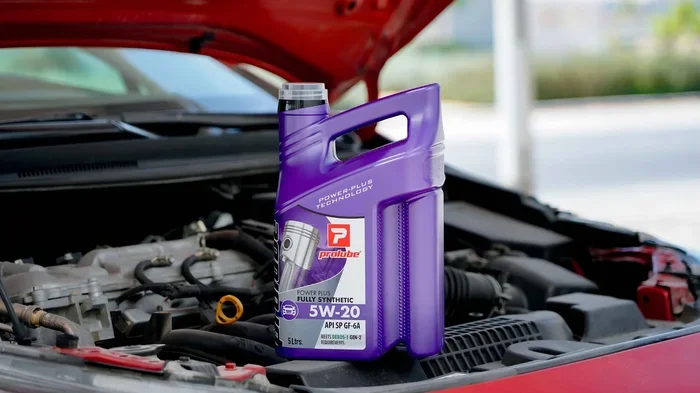
Engine oil becomes thicker in cold temperatures. Think of it like honey in the fridge. It moves slower. Thick oil creates more resistance inside the engine. Your starter motor has to push through that resistance just to turn the engine over.
Using the wrong oil weight for winter makes this problem much worse. Thicker oil like 10W-30 or 10W-40 can really slow things down when the temperature drops below freezing. Switching to a thinner winter-grade oil like 0W-20 or 5W-30 can make a huge difference.
Common Reasons a Car Won’t Start in Cold Weather
Now let’s look at the specific reasons your car might not start, even when the battery tests fine. These are the most common culprits we see every winter season.
1. Frozen or Partially Blocked Fuel Lines
Water can get into your fuel lines, especially if your tank is low. When temperatures drop, that water freezes and blocks fuel from reaching the engine. Your car turns over but won’t fire up. This is one of the sneakiest reasons for a car won’t start after getting gas in cold weather, because the fuel itself isn’t the problem.
Keep your fuel tank at least half full during winter. This reduces the space for condensation to form. You can also use a fuel line antifreeze additive to prevent freezing.
2. Weak or Failing Starter Motor
The starter motor is the workhorse that cranks your engine. In cold weather, it has to work much harder. A starter that was barely getting by in summer might fail completely in winter.
Signs of a bad starter include:
- A single loud click when you turn the key
- Slow cranking that then stops
- No sound at all when you turn the key
- Intermittent starting problems
If your starter is struggling, you might be able to push a manual car to start it as a temporary fix. This works by bypassing the starter and giving the engine the rotation it needs to fire up.
3. Faulty Spark Plugs or Ignition Coils
Spark plugs create the spark that ignites fuel in your engine. Cold weather makes it harder for sparks to jump across worn electrodes. If your spark plugs are old or fouled, your engine might crank but refuse to start in the cold.
Ignition coils can also fail in low temperatures. A weak coil might work fine when it’s warm but struggle to produce enough voltage when it’s cold outside. Replacing old spark plugs and testing ignition coils is a smart winter prep step.
4. Low or Contaminated Coolant (Antifreeze)
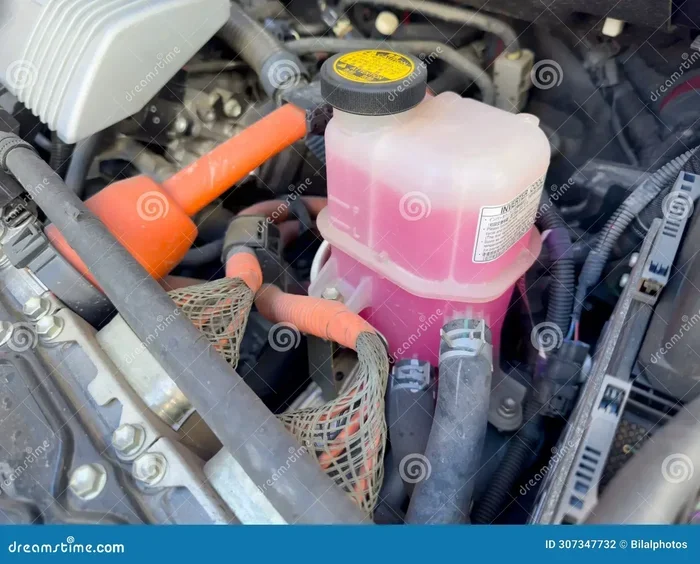
Coolant does more than keep your engine from overheating. It also protects against freezing. If your coolant levels are low or the mixture is wrong, the remaining fluid can freeze inside the engine block.
Frozen coolant prevents the engine from turning over. It can also cause serious internal damage if you try to start the car anyway. Always check your coolant ratio before winter hits. A 50/50 mix of antifreeze and water protects down to about negative 34 degrees Fahrenheit.
5. Clogged Fuel Filter
A clogged fuel filter restricts fuel flow to the engine. This problem gets worse in cold weather because fuel is already denser. A filter that was borderline in summer can become a complete blockage in winter.
Replacing your fuel filter is an inexpensive fix that can save you from a lot of cold-weather headaches. Most manufacturers recommend replacing it every 30,000 to 40,000 miles.
6. Moisture in the Distributor Cap
Older cars with distributors are especially vulnerable to moisture buildup. Water can condense inside the distributor cap and short out the ignition signal. This prevents the spark from reaching the cylinders.
You can prevent this by parking your car in a garage or covered area when possible. If moisture does get in, letting the car sit in a warm spot for a while can dry it out enough to start.
How to Diagnose the Problem Yourself
Before you call a mechanic, there are some simple steps you can take to narrow down the cause. These diagnostic tips can save you time and money.
Step 1: Check the Battery Connections
Even with a good battery, corroded or loose terminals can prevent power from reaching the starter. Look for white or greenish buildup on the terminals. Clean them with a wire brush and a baking soda solution. Make sure the cables are tight on both ends.
Step 2: Test the Starter Sound
When you turn the key, listen carefully. Do you hear a single click? A rapid clicking? Nothing at all? Each sound points to a different problem:
- Single click: The starter solenoid is engaging but the motor isn’t turning. This points to a bad starter or locked engine.
- Rapid clicking: The battery doesn’t have enough power to fully engage the starter. Even if the battery tests good, cold weather reduces its output.
- No sound: Check the ignition switch, neutral safety switch, or wiring issues.
Step 3: Check for Fuel Delivery
Turn the key to the “on” position without starting the engine. You should hear a brief humming sound from the fuel pump. If you don’t hear anything, the fuel pump might be failing. This is a common issue in cold weather because the fuel pump motor struggles with thickened fuel.
Step 4: Inspect Spark Plugs
Remove a spark plug and look at it. If it’s covered in black soot, wet with fuel, or has a wide gap, it needs replacing. Fresh spark plugs are one of the best and cheapest ways to ensure reliable cold-weather starting.
Prevention Tips for Winter Starting Reliability
The best way to deal with a car that won’t start in cold weather is to prevent the problem before it happens. Here are some proven tips that actually work.
Use a Block Heater
A block heater warms the engine block and oil before you start driving. It plugs into a standard outlet and keeps the engine warm overnight. This is especially helpful if you live in areas where temperatures regularly drop below negative 20 degrees Fahrenheit.
Block heaters are common in northern states and Canada. If you drive a diesel vehicle, a block heater is almost essential for reliable winter starting.
Switch to Winter-Grade Fluids
Make sure you use the right fluids for winter driving:
- Engine oil: Switch to 0W-20 or 5W-30 for better cold flow
- Coolant: Maintain a 50/50 antifreeze-to-water ratio
- Washer fluid: Use winter-grade fluid that won’t freeze
- Transmission fluid: Check the level and condition before winter
Keep Your Fuel Tank at Least Half Full
This simple habit prevents moisture from forming in the fuel tank and lines. It also gives you extra fuel if you get stuck in traffic or bad weather. A full tank also reduces the chance of fuel line freeze-up.
Park in a Garage or Use a Car Cover
Keeping your car sheltered from the coldest temperatures helps with starting. Even a covered parking spot is better than leaving it out in the open. A car cover adds an extra layer of insulation that can keep the engine bay a few degrees warmer.
Let the Car Warm Up Gently
Modern cars don’t need long warm-up times, but giving the engine 30 seconds to a minute before driving helps the oil circulate. This is especially important in cold weather when oil is thick and slow-moving.
Avoid revving the engine right after starting. Let it idle gently until the temperature gauge starts to move. This protects the engine and gives the starter a break.
When to Call a Professional Mechanic
Some cold-weather starting problems are easy to fix at home. But others need professional tools and expertise. You should call a mechanic if:
- The car cranks but never fires up after multiple attempts
- You smell fuel or exhaust inside the engine bay
- The dashboard warning lights stay on after starting
- You hear grinding or metallic sounds when cranking
- The problem happens repeatedly despite doing basic maintenance
A professional mechanic can run a full diagnostic on the fuel system, ignition system, and engine compression. These tests reveal hidden problems that you can’t detect at home. It’s always better to pay for a diagnosis than to keep trying to start a car that might cause further damage.
Also, if you live in a very cold climate and your car keeps having issues, consider asking about winter-specific maintenance packages at your local shop. Many shops offer seasonal inspections that cover everything from battery health to coolant ratios.
Comparing Cold-Weather Starting Problems
Not all no-start situations are the same. Here is a quick comparison of the most common cold-weather starting issues and how to tell them apart.
| Symptom | Likely Cause | DIY Fix? |
|---|---|---|
| Engine cranks slowly then stops | Weak battery output or thick oil | Yes, try jumper cables or switch oil weight |
| Single click, no cranking | Faulty starter or frozen engine | No, needs professional diagnosis |
| Engine cranks normally but won’t fire | Fuel line freeze or bad spark plugs | Yes, check fuel and spark plugs |
| No sound at all when turning key | Ignition switch or neutral safety switch | Maybe, check simple connections first |
| Intermittent starting in cold | Moisture in distributor or weak ignition coil | Yes, dry out components and test coils |
Understanding these patterns helps you quickly identify the problem and choose the right fix. If your car won’t jump start even with a good battery, the issue is likely in the starter, fuel system, or ignition system rather than the battery itself.
Quick Tips for Cold-Weather Starting Success
- Always keep jumper cables or a portable jump starter in your trunk during winter
- Turn off all electrical accessories before starting to give the starter full power
- If the car sits for days in cold weather, try starting it at least once every few days
- Use a battery tender or trickle charger if your car sits unused for long periods
- Check your owner’s manual for the recommended winter oil weight
- Keep a small bottle of fuel line antifreeze in your trunk during winter months
Final Thoughts
A car that won’t start in cold weather but has a good battery is almost always caused by something other than the battery itself. Whether it’s thickened oil, frozen fuel lines, weak spark plugs, or a tired starter motor, the culprit is usually one of several systems that cold weather stresses.
The good news is that most of these problems are preventable with proper winter maintenance. Regular oil changes, fuel filter replacements, and keeping your tank half full can go a long way. And knowing how to diagnose the problem yourself can save you time and money when the cold snap hits.
Don’t let winter leave you stranded. Take these tips, apply them to your car, and you’ll be much more prepared for whatever the cold season throws at you. Stay warm, stay safe, and keep your car running strong all winter long.
Frequently Asked Questions
Can a good battery still fail to start a car in cold weather?
Yes, absolutely. Cold weather reduces a battery’s ability to deliver power, even if it reads full voltage. The starter motor also has to work harder against thickened oil and cold engine components. A battery that is technically “good” might not have enough cranking amps for winter conditions.
What should I do if my car won’t start but the battery is fine?
First, check the battery terminals for corrosion and make sure they are tight. Then listen carefully to the sound the car makes when you turn the key. A single click usually points to the starter, while slow cranking often means thick oil or a fuel delivery issue. Try these diagnostics before calling a mechanic.
Does cold weather affect fuel lines?
Yes, cold weather can freeze moisture inside fuel lines and prevent fuel from reaching the engine. This is why keeping your tank at least half full is so important in winter. Using a fuel line antifreeze additive can also help prevent freezing.
How can I tell if my starter motor is going bad?
Common signs include a single loud click when turning the key, slow or labored cranking, or no sound at all. If the starter works fine in warm weather but fails in the cold, the starter motor is likely weakening and should be inspected by a mechanic soon.
Is it better to let a cold car warm up before driving?
Yes, giving your car 30 seconds to a minute of idle time allows the oil to circulate and the engine to warm up gently. However, excessive idling is not necessary and wastes fuel. Once the temperature gauge starts moving, you can drive gently to warm the car faster.
What type of oil is best for cold weather starting?
Winter-grade oils like 0W-20 or 5W-30 flow much better in cold temperatures than thicker oils like 10W-30 or 10W-40. Check your owner’s manual for the recommended weight and switch to a thinner winter oil if you live in a cold climate.