Can a Car Overheat with Low Oil Everything You Need to Know
Yes, a car can absolutely overheat with low oil. Oil lubricates your engine and helps manage heat. When oil drops too low, friction builds fast, and your engine temperature can spike dangerously. This guide covers overheating symptoms, causes, fixes, and prevention tips so you can keep your engine running safely.
Your car’s engine runs hot. That is just how it works. But when the temperature climbs too high, things go wrong fast. One question drivers ask all the time is, can a car overheat with low oil? The short answer is yes. Very much so. And it happens more often than you might think.
Oil does more than just keep parts slippery. It cools your engine, reduces friction, and protects metal surfaces from grinding against each other. When your oil level drops, all of that protection goes away. The result can be overheating, engine damage, and costly repairs. In this guide, we break down everything you need to know about car overheating caused by low oil. We will cover the signs, the causes, the fixes, and how to stop it from happening again.
Whether you are dealing with a warning light right now or just want to learn more, this article has you covered. Let us dive in and keep your engine running smooth.
Key Takeaways
- Low oil causes overheating: Without enough oil, engine parts grind and create excess heat.
- Warning signs are clear: Temperature gauge spikes, weird noises, and steam from the hood all signal trouble.
- Quick action matters: Pulling over and checking your oil level can save your engine from major damage.
- Prevention is easy: Regular oil changes and monitoring oil levels keep overheating risks low.
- Multiple causes exist: Leaks, burning oil, and missed oil changes all lead to low oil levels.
- Don’t ignore the temp gauge: A rising temperature gauge is your first and best warning.
- Internal links to related guides: Check out our articles on car overheating on hot days and bad temperature sensors for more info.
📑 Table of Contents
- Can Low Oil Actually Cause a Car to Overheat?
- What Happens When Your Engine Runs Low on Oil?
- Common Causes of Low Oil That Lead to Overheating
- How to Check Your Oil Level
- What to Do If Your Car Overheats Due to Low Oil
- How to Prevent Overheating from Low Oil
- Expert Insight: The Relationship Between Oil and Engine Heat
- Common Mistakes Drivers Make with Low Oil
- When to See a Mechanic for Overheating Issues
- Final Thoughts on Oil and Overheating
Can Low Oil Actually Cause a Car to Overheat?
Here is the deal. Your engine has hundreds of moving parts. Pistons, crankshafts, camshafts, and valves all spin and slide at high speed. Without enough oil, these parts rub together. That creates friction. And friction creates heat. Lots of it.
Your engine also relies on oil to carry heat away from hot spots. The oil circulates through the engine block and picks up extra warmth. It then flows back through the oil sump where it cools down. When you are low on oil, this heat transfer process breaks down. The engine has no way to shed the extra heat. So the temperature climbs.
This is different from a cooling system problem. Coolant handles the big heat removal job. But oil plays a supporting role that is just as important. When both systems work together, your engine stays at a safe temperature. When oil runs low, the whole balance shifts.
Some drivers ask, can a car overheat on a hot day with low oil? The answer is yes, and it is even more likely. Hot weather already puts extra stress on your engine. Add low oil into the mix, and you have a real problem brewing. If you want to learn more about how heat affects your car, check out our guide on can a car overheat on a hot day.
How Oil Keeps Your Engine Cool
Oil does three main jobs in your engine:
- Lubrication: Reduces friction between moving metal parts.
- Cooling: Carries heat away from hot spots the coolant cannot reach.
- Protection: Forms a barrier between metal surfaces to prevent wear.
When any of these jobs suffer because of low oil, your engine pays the price. Over time, the heat builds up past the safe limit. That is when overheating happens.
What Happens When Your Engine Runs Low on Oil?
Running low on oil is not just a minor issue. It can cause serious damage if you ignore it. Here is what happens step by step.
- Increased friction: Metal parts start grinding without proper lubrication.
- Heat builds up: The engine temperature rises above normal levels.
- Oil breaks down: Hot oil loses its ability to lubricate even more.
- Metal parts wear out: Bearings, cylinders, and other components get damaged.
- Engine seizure: In worst cases, the engine locks up completely.
The whole process can happen in just a few minutes of driving with no oil. That is why it is so important to act fast when you notice warning signs.
Overheating Symptoms to Watch For
Your car tells you when something is wrong. You just need to know the signs:
- Temperature gauge rising: The needle on your dash moves into the red zone.
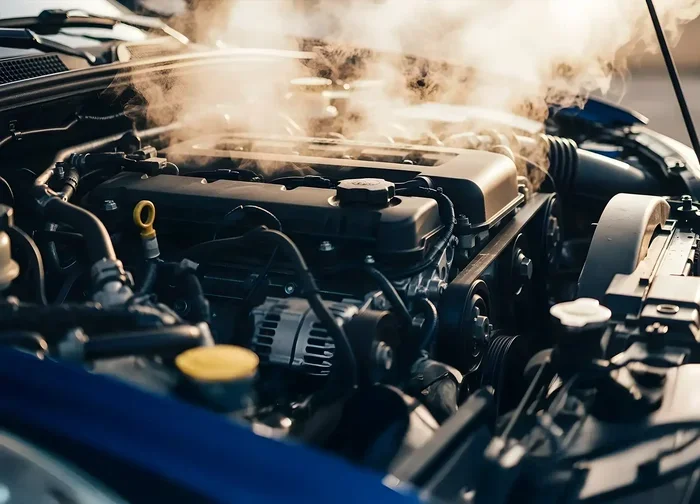
- Steam or smoke: You see vapor coming from under the hood.
- Strange noises: Knocking, ticking, or grinding sounds from the engine.
- Burning smell: A hot, oily smell comes from the engine bay.
- Oil warning light: The low oil pressure light turns on.
- Reduced power: The engine feels sluggish or weak.
If you notice any of these, pull over safely and turn off the engine. Continuing to drive can cause permanent engine damage. Want to learn more about what triggers overheating? Our article on can a bad temperature sensor cause a car to overheat covers another common cause worth checking.
Common Causes of Low Oil That Lead to Overheating
Low oil does not just happen out of nowhere. There is usually a reason behind it. Here are the most common causes.
Oil Leaks
Oil leaks are the number one reason oil levels drop. Leaks can happen from worn gaskets, loose oil pans, or damaged seals. Sometimes you see a puddle under your car. Other times, the leak is small and hard to notice. Either way, the oil level drops over time, and your engine loses protection.
Burning Oil
Some engines burn oil as part of normal wear. But if your car burns through oil fast, that is a problem. Worn piston rings, valve seals, or a faulty PCV valve can all cause oil burning. If you notice blue smoke from the exhaust, your engine might be consuming oil faster than it should.
Missed Oil Changes
Oil breaks down over time. It gets dirty, thin, and less effective. If you skip oil changes, the old oil cannot do its job. It also breaks down faster under heat, which leads to more friction and more heat. This cycle can cause your engine to overheat even if you have not lost oil entirely.
Wrong Oil Type
Not all oils are the same. Using the wrong viscosity or type can lead to poor lubrication. Your engine needs the right oil for its design and operating conditions. Check your owner’s manual to find the recommended oil type.
Faulty Oil Pump
The oil pump moves oil through your engine. If it fails or weakens, oil does not circulate properly. Even with enough oil in the crankcase, parts may not get the lubrication they need. This can cause localized overheating and low oil pressure.
How to Check Your Oil Level
Checking your oil is one of the easiest things you can do. It takes about two minutes and can save you hundreds of dollars in repairs. Here is how to do it.
- Park your car on a flat surface.
- Turn off the engine and wait a few minutes for the oil to settle.
- Open the hood and locate the dipstick.
- Pull the dipstick out and wipe it clean with a rag.
- Insert it back fully, then pull it out again.
- Look at the oil level markings on the stick.
- Check the color and texture of the oil too.
Fresh oil is amber or light brown. Dark, gritty oil means it is time for a change. If the level is below the minimum mark, add oil right away. Always use the type recommended by your car’s manufacturer.
Quick tip: Check your oil at least once a month. Do it more often if your car is older or has high mileage. Staying on top of your oil level is one of the best ways to prevent overheating.
What to Do If Your Car Overheats Due to Low Oil
If your car starts overheating while you are driving, do not panic. Follow these steps to stay safe and minimize damage.
Step 1: Pull Over Immediately
Find a safe spot to stop. Turn on your hazard lights and pull off the road. Do not keep driving with an overheating engine. Every minute you drive makes the damage worse.
Step 2: Turn Off the Engine
Let the engine cool down. Do not open the hood right away. Hot steam and coolant can burn you. Wait at least 15 to 20 minutes before checking anything.
Step 3: Check the Oil Level
Once the engine has cooled, pop the hood and check your oil with the dipstick. If the oil is low, you have likely found your culprit. Add oil if you have some in your trunk or a nearby gas station.
Step 4: Call for Help If Needed
If the engine is severely overheated, do not try to drive it again. Call a tow truck and have your car taken to a mechanic. Driving a hot engine can crack the block, blow the head gasket, or warp the cylinders.
Sometimes overheating is linked to other car problems too. For example, a P0171 code can affect how your engine runs. If you are curious about that, read our article on can I still drive with a P0171 code.
How to Prevent Overheating from Low Oil
The best way to deal with overheating is to stop it before it starts. Prevention is simple and saves you a lot of trouble.
Follow a Regular Oil Change Schedule
Change your oil every 5,000 to 7,500 miles, or as your owner’s manual recommends. Use the oil type and weight your manufacturer suggests. Fresh oil keeps your engine properly lubricated and cool.
Monitor Oil Levels Weekly
Get into the habit of checking your oil once a week. This takes less than five minutes and helps you catch drops early. A small leak can become a big problem fast if you do not notice it.
Fix Leaks Right Away
If you see oil spots under your car or smell burning oil, get it checked. Small leaks grow into big ones fast. A quick repair now can save you from a blown engine later.
Keep Your Cooling System in Good Shape
Oil and coolant work together to keep your engine cool. Make sure your coolant level is also topped off. Flush and replace coolant as recommended. A healthy cooling system supports the oil’s heat removal job.
Watch Your Temperature Gauge
Keep an eye on your temperature gauge while driving. If it starts climbing, pull over and check things out. Do not ignore the warning. Your gauge is your first line of defense against engine overheating.
Expert Insight: The Relationship Between Oil and Engine Heat
Here is something many drivers do not realize. Oil does not just reduce wear. It also acts as a heat transfer fluid. Hot spots in your engine, like the area around the pistons and cylinder walls, rely on oil flow to stay cool. When oil is low, these hot spots have no way to shed heat.
Engineers design cars with both a coolant system and an oil system working in tandem. The coolant handles about 70 percent of heat removal. Oil handles the rest, plus the critical job of keeping friction low. When oil drops, the coolant system gets overwhelmed. The result is a rapid temperature spike that can cause serious engine damage in minutes.
This is why mechanics always say, “Check your oil.” It is not just a suggestion. It is one of the most important things you can do to protect your car. Regular oil checks, timely oil changes, and prompt leak repairs keep your engine healthy and your temperature gauge where it belongs.
Common Mistakes Drivers Make with Low Oil
Here are some mistakes to avoid:
- Ignoring the oil light: Many drivers try to make it to the next exit. This is risky and can cause engine failure.
- Adding the wrong oil: Mixing oil types or using the wrong viscosity can reduce lubrication.
- Overfilling the oil: Too much oil can foam and lose its lubricating ability.
- Delaying oil changes: Old oil breaks down and cannot protect your engine properly.
- Assuming coolant fixes everything: Coolant and oil serve different purposes. Low oil will still cause overheating even with full coolant.
Avoiding these mistakes keeps your engine running strong and your oil pressure steady.
When to See a Mechanic for Overheating Issues
Sometimes low oil is not the only problem. If you keep adding oil but the engine still overheats, there may be a deeper issue. Here are signs you need professional help:
- Oil leaks that keep coming back after you fix them.
- Oil pressure dropping even with a full oil level.
- Engine overheating despite having enough oil and coolant.
- White smoke, blue smoke, or heavy exhaust fumes.
- Unusual knocking or grinding sounds from the engine.
A mechanic can run diagnostics, check your oil pump, inspect the cooling system, and find hidden problems. Do not wait until the engine seizes. Early intervention saves money and keeps you safe on the road.
Final Thoughts on Oil and Overheating
So, can a car overheat with low oil? Without a doubt, yes. Oil is essential for lubrication, cooling, and protecting your engine. When the level drops too low, heat builds up fast and damage follows. The good news is that prevention is simple. Check your oil regularly, change it on schedule, fix leaks promptly, and pay attention to your temperature gauge.
Your engine is one of the most expensive parts of your car. Treating it well with proper oil maintenance pays off in the long run. A few minutes of checking and care each week can save you from a costly engine repair or a total breakdown on the side of the road.
Stay proactive. Stay informed. And keep your engine running cool. Your car will thank you for it.
Frequently Asked Questions
Can low oil cause a car to overheat even with a full coolant system?
Yes, it can. Oil and coolant work together but serve different roles. Even if your coolant is full, low oil means your engine lacks proper lubrication and heat transfer in key areas. The engine can still overheat because oil handles the heat that coolant cannot reach.
How long can you drive a car with low oil before it overheats?
It depends on how low the oil is and how hard the engine is working. In some cases, overheating can happen within minutes of driving with no oil at all. Even slightly low oil can cause overheating over longer drives, especially in hot weather or heavy traffic.
What should I do if my oil level is low and the engine is overheating?
Pull over safely and turn off the engine immediately. Let it cool for at least 15 to 20 minutes. Then check your oil level with the dipstick. Add oil if needed, but do not try to drive the car if the engine is very hot. Call for a tow if necessary.
Can a bad oil pump cause overheating even with enough oil?
Yes, absolutely. The oil pump circulates oil through the engine. If it fails or weakens, oil does not reach the hot spots that need it most. This can cause localized overheating and damage even when the oil level looks fine on the dipstick.
Is it safe to add oil to an overheated engine?
No, not right away. Wait for the engine to cool down first. Adding oil to a hot engine can cause the oil to burn or evaporate on contact with hot surfaces. Let the engine cool, then check and add oil as needed.
How often should I check my oil level to prevent overheating?
Once a week is a good habit. Also check your oil before any long road trip. Regular checks help you catch drops early before they lead to overheating or engine damage. Most drivers should also stick to an oil change schedule every 5,000 to 7,500 miles.