Can a Car Battery Kill You and How to Protect Yourself
Can a Car Battery Kill You? While rare, a car battery can cause serious harm through electrical shock, acid burns, and even explosions. Understanding the real risks and following simple safety steps can keep you and your family safe. This guide covers everything you need to know about car battery dangers and how to protect yourself.
You probably never think twice about the battery under your hood. It just sits there, quietly doing its job. But here is the thing. That box of chemicals and metal can actually hurt you. Really hurt you. So the big question is, can a car battery kill you? The short answer is yes. The long answer is a lot more interesting, and it could save your life one day.
Car batteries are everywhere. They power our cars, our trucks, our SUVs. We depend on them every single day. But most people know almost nothing about how dangerous they can be. We jump start cars without thinking. We pop the hood and touch things we should not touch. We ignore warning signs because nothing has gone wrong yet. That is exactly the problem. Danger does not always announce itself.
This article is going to walk you through everything you need to know. We will talk about what makes a car battery dangerous. We will look at real risks like electrical shock, acid burns, and explosions. And most importantly, we will cover how you can protect yourself and the people you love. By the end, you will understand car battery safety better than most mechanics do. Let us get into it.
Key Takeaways
- Car batteries can deliver dangerous electrical shocks that may cause injury or, in extreme cases, be fatal.
- Battery acid can cause severe chemical burns on skin and eyes, requiring immediate medical attention.
- Hydrogen gas from batteries is highly flammable and can ignite with even a small spark.
- Proper handling and safety gear like gloves and goggles greatly reduce the risk of injury.
- Knowing when to call for help is just as important as knowing how to handle a battery safely.
- Regular maintenance keeps your battery healthy and reduces the chance of dangerous incidents.
📑 Table of Contents
- What Makes a Car Battery Dangerous
- Real Risks: Can a Car Battery Actually Kill You?
- Common Situations That Lead to Battery Injuries
- How to Protect Yourself from Car Battery Dangers
- Car Battery Maintenance Tips for Safety
- What to Do If a Battery Incident Happens
- Key Facts About Car Battery Safety
- Conclusion
What Makes a Car Battery Dangerous
To understand the risks, you first need to understand what a car battery actually is. It is not just a piece of plastic with metal inside. It is a carefully sealed chemical system that stores and releases energy. When something goes wrong with that system, the consequences can be serious.
Understanding Battery Voltage and Power
A standard car battery produces about 12.6 volts. That does not sound like much. Your outlet at home produces 120 volts or more. But here is the catch. A car battery can deliver a huge amount of current very quickly. We are talking hundreds of amps in a split second. That is enough to weld metal. It is enough to cause a severe shock. And if the current passes through your heart, even 12 volts can be deadly.
The voltage itself is not the only danger. It is the current. Think of it like water pressure. A small stream might not hurt you. But a massive burst of water can knock you over. A car battery works the same way. The voltage is moderate, but the available current is enormous.
The Chemicals Inside Your Battery
Most car batteries use a mixture of sulfuric acid and water. This is called an electrolyte solution. It is highly corrosive. If it touches your skin, it can cause chemical burns. If it gets in your eyes, it can cause permanent damage. Even the fumes coming off a battery can irritate your lungs and eyes.
The battery also produces hydrogen gas during charging. Hydrogen is extremely flammable. It takes very little to ignite it. A tiny spark, a static shock, or even a lit cigarette can set it off. When hydrogen ignites, it burns fast and hot. This is why battery explosion risks are real and should never be ignored.
Real Risks: Can a Car Battery Actually Kill You?
Now that we know what makes batteries dangerous, let us talk about the real risks. This is where things get serious. Can a car battery kill you directly? Yes. But the ways it can do so might surprise you.
Electrical Shock Hazards
Electrical shock from a car battery is more common than most people think. You might touch both terminals at the same time. Maybe your jewelry or a metal tool bridges the gap. The current flows through your body. Even if the voltage is low, the amperage can stop your heart.
Shock can also cause you to fall. If you are standing on a wet surface or leaning over the engine bay, a shock could throw you backward. You might hit your head. You might fall onto a sharp tool. The shock itself might not kill you, but what happens after can be deadly.
People with heart conditions are at even higher risk. A small shock that barely affects a healthy person could trigger a dangerous heart rhythm in someone with a weak heart. This is why electrical shock safety around batteries should always be taken seriously.
Acid Burns and Chemical Exposure
Battery acid is no joke. Sulfuric acid can eat through skin, clothing, and metal. A direct splash can cause second or third degree burns in seconds. The damage might not be immediately obvious, which makes it even more dangerous. By the time you feel the pain, the acid may have already penetrated deep into the tissue.
Eye exposure is especially dangerous. Even a tiny drop of battery acid in your eye can cause permanent vision damage. If acid gets in your eyes, you need to flush them with water immediately and seek emergency medical help. Do not wait. Do not rub your eyes. Every second counts.
Inhaling battery fumes over time can also harm your health. The sulfur dioxide gas can irritate your respiratory system. Long-term exposure has been linked to lung problems. This is why working in a well ventilated area is so important when handling batteries.
Explosion Risks
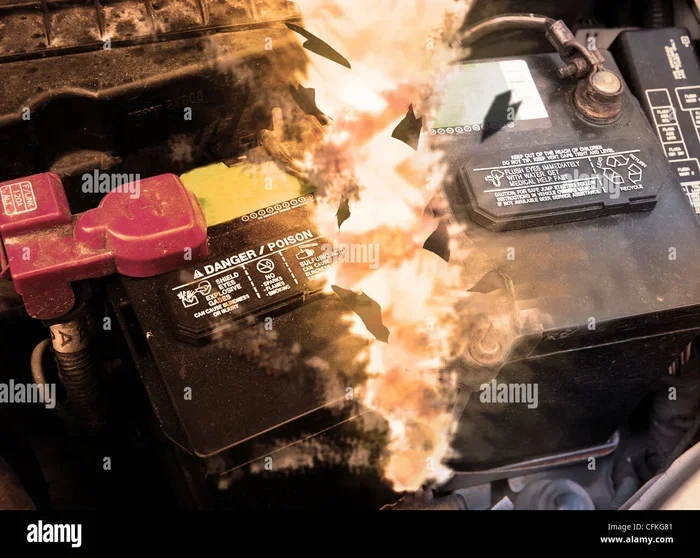
Battery explosions are rare, but they do happen. And when they do, the results can be devastating. The explosion usually happens when a battery is being charged or jumped. Spark near the battery, and the hydrogen gas ignites. The force of the explosion can blow battery casing pieces at high speed. These fragments can cause serious lacerations or even fatal injuries.
Older batteries are more prone to explosion. If your battery is swollen, leaking, or over three to five years old, treat it with extra caution. A bulging case is a clear sign that gas is building up inside. That battery needs to be replaced, and handled carefully until it is removed.
If you ever need to jump start your vehicle, make sure you follow proper procedures. Did you know that jump starting a car in the rain adds extra risk because moisture increases the chance of electrical shorts and sparks?
Common Situations That Lead to Battery Injuries
Most battery injuries happen in everyday situations. People are not being reckless. They are just not aware of the dangers. Let us look at the most common scenarios where things go wrong.
Jump Starting Safety
Jump starting is the number one cause of battery-related injuries. People rush through the process. They connect cables in the wrong order. They let the clamps touch each other. Sparks fly. Acid splashes. And someone gets hurt.
Here is the right way to do it. First, put both cars in park or neutral. Turn off all electronics. Connect the red clamp to the dead battery positive terminal first. Then connect the other red clamp to the good battery positive terminal. Next, connect the black clamp to the good battery negative terminal. Finally, connect the last black clamp to an unpainted metal surface on the dead car, away from the battery. Never connect the last clamp directly to the dead battery terminal.
This order matters. Connecting the last clamp to the dead battery creates a spark right next to the battery. That spark can ignite hydrogen gas. By connecting to the engine block instead, you keep the spark far away from the battery. It is a simple change that makes a big difference.
Battery Maintenance Mistakes
Many people ignore their batteries until something goes wrong. They never check the terminals. They never look for corrosion. They never test the voltage. This kind of neglect can lead to surprise failures and dangerous situations.
Corrosion on battery terminals is a common problem. It looks like a white or blue-green powdery buildup. It is actually acidic residue. If you touch it with bare hands, it can irritate your skin. If it bridges the terminals, it can cause a short circuit and spark.
Another common mistake is using metal tools near the battery without insulation. A wrench or plier touching both terminals at once can create a massive spark. It can also weld the tool to the terminal. The heat can burn your hands badly.
Charging Risks
Charging a battery improperly is another major risk factor. Overcharging a battery causes excessive heat and gas buildup. This increases the chance of rupture or explosion. If you are using a battery charger at home, always follow the manufacturer instructions. Never leave a charger running unattended for long periods.
If you are considering charging options, it is worth noting that charging an electric car at home involves different safety considerations than charging a traditional lead-acid battery. Always use the right equipment for the right type of battery.
How to Protect Yourself from Car Battery Dangers
The good news is that most battery injuries are completely preventable. A little knowledge and some basic precautions go a long way. Here is how you can keep yourself safe.
Safety Gear and Precautions
Whenever you are working around a car battery, wear the right gear. Safety goggles are a must. They protect your eyes from acid splashes and flying debris. Rubber gloves provide a barrier against acid and electrical contact. Wear long sleeves and closed toe shoes for extra protection.
Keep metal objects away from the battery. Remove jewelry like rings and watches before you open the hood. These items can conduct electricity and cause burns if they create a short circuit. Keep cigarettes, lighters, and open flames far away from the battery at all times.
Work in a well ventilated area. Battery fumes can build up quickly in enclosed spaces like garages. Open the door and windows. If you can, work outside. Fresh air dramatically reduces the risk of inhaling harmful gases.
Proper Handling Techniques
Always handle batteries with care. They are heavy. A standard car battery weighs around 40 pounds. Dropping one can crack the case and spill acid. Use both hands. Lift with your legs, not your back. If a battery is too heavy or awkward, ask someone for help.
When disconnecting a battery, always remove the negative terminal first. When reconnecting, attach the positive terminal first. This reduces the risk of sparks near the battery. It is a simple rule that can prevent a dangerous situation.
Never let the positive and negative terminals touch each other or any metal surface at the same time. This creates a short circuit. The resulting spark can ignite gas or melt metal tools. Keep terminals covered with terminal caps if you are not actively working on the battery.
When to Seek Professional Help
Not every battery job is a DIY project. If your battery is leaking, swollen, or producing a lot of fumes, leave it to the professionals. A leaking battery can release dangerous amounts of sulfuric acid. A swollen battery is at high risk of rupture. Trying to fix these problems yourself can put you in harm’s way.
Also, if you are ever unsure about a battery situation, call for help. There is no shame in asking a professional. A qualified mechanic or roadside assistance service can handle battery issues safely. They have the right tools, the right knowledge, and the right protective equipment.
In an emergency, do not hesitate to call 911. If someone has been shocked, burned, or has inhaled battery fumes, getting medical help fast is critical. Calling 911 for emergencies is always the right move when someone is injured.
Car Battery Maintenance Tips for Safety
Keeping your battery in good shape is one of the best ways to prevent dangerous situations. A well maintained battery is less likely to leak, overheat, or produce excess gas. Here are some simple maintenance tips you can follow.
Regular Inspection Checklist
Make it a habit to inspect your battery every few months. Look at the terminals. Are they clean and tight? Is there any corrosion building up? If you see white or greenish powder, clean it off with a mixture of baking soda and water. Use a toothbrush to scrub gently. Rinse with a little water and dry with a clean cloth.
Check the battery case for cracks or leaks. A cracked case means acid can leak out. This is a serious safety hazard. If you find any damage, have the battery replaced right away. Do not keep driving with a damaged battery.
Test your battery voltage regularly. A healthy battery should read around 12.6 volts when the engine is off. If the voltage drops below 12 volts, the battery may be weak or failing. A weak battery is more likely to fail unexpectedly and can behave unpredictably.
Storage and Disposal Best Practices
If you are storing a battery, keep it in a cool, dry place. Extreme heat accelerates chemical reactions inside the battery. This increases gas production and the risk of rupture. Extreme cold can reduce battery capacity and make it more vulnerable to damage.
When it is time to dispose of a battery, do not throw it in the trash. Car batteries contain hazardous materials that can harm the environment. Take old batteries to a recycling center or auto parts store. Most stores that sell batteries will accept used ones for proper recycling. This keeps you and the environment safe.
Extreme heat is especially dangerous for batteries. Cars can overheat on hot days, and so can batteries. High temperatures accelerate internal chemical reactions, increasing the risk of gas buildup and potential rupture. Park in the shade whenever possible, especially during summer months.
What to Do If a Battery Incident Happens
Even with all the precautions, accidents can still happen. Knowing what to do in the moment can make all the difference. Here is a quick guide for handling common battery incidents.
Immediate First Aid Steps
If battery acid touches your skin, rinse the area with plenty of water for at least 15 minutes. Do not try to neutralize the acid with anything. Water is your best first response. Remove any clothing that has been contaminated with acid. Seek medical attention if the burn looks serious or if the area is larger than a few inches.
If acid gets in your eyes, flush them immediately with clean water. Hold your eyes open and let the water run for at least 20 minutes. Do not rub your eyes. Do not try to neutralize the acid. Get to an emergency room as quickly as possible after flushing.
If someone receives an electrical shock from a battery, do not touch them until the power source is disconnected. If you can safely turn off the vehicle or disconnect the battery, do so. Then call for medical help. Even if the person seems fine after a shock, internal injuries may not be immediately visible.
When to Call Emergency Services
Call 911 immediately if someone has been seriously burned, has lost consciousness, or is having difficulty breathing after a battery incident. Battery acid inhalation can cause throat swelling and breathing problems. This is a medical emergency that needs immediate attention.
If a battery explodes or catches fire, get everyone away from the vehicle. Battery fires can release toxic fumes. Do not try to fight a battery fire with a regular fire extinguisher unless it is specifically rated for chemical fires. Move to a safe distance and call emergency services.
Key Facts About Car Battery Safety
Let us quickly recap the most important safety facts. These are the things that everyone should know about car battery safety. Whether you are a seasoned driver or a complete beginner, these facts can protect you.
First, a car battery can produce enough electrical current to be lethal. The voltage is low, but the amperage is dangerously high. Second, battery acid is highly corrosive and can cause severe burns on contact. Third, hydrogen gas is flammable and can ignite with a tiny spark. Fourth, proper safety gear like gloves and goggles is essential when working around batteries. Fifth, regular maintenance reduces the risk of dangerous battery failures. And finally, knowing basic first aid for battery injuries can save lives.
Taking a few extra minutes to be careful around your battery is always worth it. The alternative is not worth the risk. A little knowledge and a few simple habits can keep you safe for years to come.
Conclusion
So, can a car battery kill you? The honest answer is yes. It is not common, but it is possible. Electrical shock, acid burns, and explosions are all real dangers that come with something most of us take for granted every day. But here is the good news. These dangers are entirely manageable. With the right knowledge, the right safety gear, and the right habits, you can work around your battery without putting yourself at risk.
Take the time to understand your battery. Inspect it regularly. Handle it with care. Know what to do if something goes wrong. Share this knowledge with your family and friends. The more people who understand car battery safety, the safer we all are.
Your car battery works hard for you every single day. Give it the respect and attention it deserves. A little effort now can prevent a serious accident later. Stay safe, stay informed, and never underestimate the power sitting right there under your hood.
Frequently Asked Questions
Can a car battery shock you fatally?
Yes, a car battery can deliver a shock that is potentially fatal. While the voltage is relatively low at 12 volts, the current output is extremely high. If the electrical current passes through your heart or vital organs, it can cause cardiac arrest or serious injury.
What should I do if battery acid touches my skin?
Rinse the affected area with plenty of cool water for at least 15 minutes. Remove any contaminated clothing. Do not try to neutralize the acid. Seek medical attention if the burn appears serious or covers a large area of skin.
Can a car battery explode?
Yes, car batteries can explode, especially when they are being charged or jumped. Hydrogen gas builds up inside the battery and can ignite with a single spark. This is why proper jump starting procedures and good ventilation are so important.
Is it safe to work on a car battery in the rain?
Working on a battery in wet conditions increases the risk of electrical shock and short circuits. Moisture conducts electricity and can create dangerous pathways for current. If possible, wait for dry conditions or wear waterproof safety gear.
How often should I inspect my car battery?
You should inspect your battery at least every three months. Check for corrosion on the terminals, cracks in the case, and any signs of leaking. A quick visual inspection can help you catch problems before they become dangerous.
What safety gear should I wear when handling a car battery?
Always wear safety goggles and rubber gloves when working around a car battery. Long sleeves and closed toe shoes add extra protection. Keeping metal jewelry and tools away from the battery terminals is also essential for preventing accidental short circuits.