How to Defog a Car Windshield Fast with These Tips
Knowing how to defog a car windshield fast can save you from dangerous driving situations. Foggy windows reduce visibility and make every trip risky, especially in cold or humid weather. This guide covers fast fixes, long-term prevention, and expert-backed tips to keep your windshield clear. You will learn simple methods using things you already have in your car or home. Say goodbye to foggy windshield problems for good with these easy-to-follow steps.
There is nothing more frustrating than stepping into your car on a cold morning and finding a thick layer of fog covering your windshield. You turn the key, sit down, and immediately realize you cannot see a thing. Foggy windshield driving is not just annoying. It is genuinely dangerous.
Whether it is winter condensation or a humid summer morning, fog on windshield problems can hit anyone at any time. The good news is that how to defog a car windshield fast is something anyone can learn. You do not need expensive tools or special equipment. A few simple tricks and habits can keep your windshield visibility crystal clear all year round.
In this guide, we will walk you through every method you need. From quick emergency fixes to long-term fog prevention strategies, you will have everything you need to never deal with car foggy windows again. Let us get into it.
Key Takeaways
- Use your car defroster on high heat with the A/C on for the fastest fog removal.
- Keep a microfiber cloth in your car for quick manual wipe-downs when fog strikes.
- Shaving cream or dish soap creates a fog barrier on glass that lasts for weeks.
- Open a window slightly to balance interior and exterior temperatures and stop condensation.
- Anti-fog sprays work great for both inside and outside windshield fog prevention.
- Replace your cabin air filter regularly to reduce moisture buildup inside the car.
- Prevention is faster than cure — simple habits keep fog from forming in the first place.
📑 Table of Contents
- Why Does Your Windshield Fog Up?
- How to Defog a Car Windshield Fast: The Quickest Methods
- Prevention Tips to Stop Fog from Forming
- DIY Solutions You Can Try at Home
- Common Mistakes That Make Fog Worse
- Expert Insights and Long-Term Solutions
- Comparison: Quick Fixes vs. Long-Term Prevention
- Key Takeaways
- Conclusion
Why Does Your Windshield Fog Up?
Before we dive into the solutions, it helps to understand why windshield fog happens in the first place. When warm, humid air inside your car touches the cold glass surface, condensation forms. That condensation is what you see as fog. It is basically tiny water droplets clinging to the inside of your windshield.
Several factors cause this moisture buildup:
- Temperature differences between the inside and outside of the car
- Moisture from your breath and body heat
- Wet clothing or shoes bringing humidity into the cabin
- High humidity outside during rainy or humid weather
- Clogged cabin air filters that trap moisture inside the car
Understanding the root cause helps you pick the right fix. Cold mornings cause fog because the glass is cold and your warm breath hits it. Rainy days cause fog because the air outside is already full of moisture. Once you know why your windshield fogs up, you can choose the best defogging method for the situation.
Cold Weather Fog vs. Humid Weather Fog
Not all fog is the same. Cold weather fog forms on the inside of the windshield when your warm breath meets freezing glass. Humid weather fog often appears on the outside when warm air hits a cool windshield. Knowing which type you are dealing with changes your approach entirely.
For inside fog in cold weather, you want to warm up the glass and dry the air. For outside fog in humid weather, you want to cool the glass or wipe it down. Each situation needs a different strategy. We will cover both below.
How to Defog a Car Windshield Fast: The Quickest Methods
When fog hits while you are driving, you need results immediately. These are the fastest ways to clear foggy windows and get back on the road safely.
Method 1: Use Your Car Defroster
The car defroster is your best friend when fighting windshield condensation. Turn it on to the highest heat setting and aim it directly at the windshield. Most modern cars also have an A/C button built into the defroster setting. Use it.
The air conditioning removes moisture from the air while the heat dries out the fog. This combination works incredibly fast. Within one to two minutes, your windshield defogging should be mostly complete.
Here is a quick step-by-step:
- Turn on the engine and set the temperature to maximum heat
- Set the fan speed to high
- Direct the vents toward the windshield
- Turn on the air conditioning
- Select the front defroster mode
- Close all windows and doors to trap the dry air
Some drivers worry about using A/C in cold weather. It is fine. The A/C actually helps speed up the defogging process by pulling moisture out of the air. You will warm up faster that way.
Method 2: Crack a Window Open
This sounds too simple to work, but it does. Opening a window slightly lets the humid air escape and brings in drier outside air. It balances the temperature difference between inside and outside your car.
Even cracking the window just half an inch makes a big difference. You will notice the fog starting to clear within seconds. This method works especially well when you first notice fog forming and have not yet turned on the defroster.
Method 3: Use a Microfiber Cloth
Keep a clean microfiber cloth in your car at all times. When fog appears and you need instant relief, simply wipe the inside of the windshield with the cloth. It absorbs the moisture and clears your windshield visibility immediately.
This is not a permanent fix, but it is a great emergency solution. Microfiber cloths are soft, lint-free, and highly absorbent. They work much better than regular towels or paper towels, which can leave behind fibers that smear the glass.
Method 4: Use Rubbing Alcohol
A spray bottle with a mix of one part rubbing alcohol and one part water can defog your windshield in seconds. Spray it on the glass and wipe it off with a clean cloth. The alcohol evaporates quickly and leaves no residue.
This trick is popular among professional drivers and racers. It is cheap, fast, and incredibly effective. Keep a small spray bottle in your glove box for emergencies.
Prevention Tips to Stop Fog from Forming
The best way to defog a car windshield fast is to never let it fog up in the first place. Prevention takes just a few minutes and saves you from dealing with fog every single time you drive.
Use Anti-Fog Spray or Wipes
Anti-fog spray creates a thin invisible coating on your glass that prevents condensation from forming. You spray it on, wipe it off with a clean cloth, and your windshield stays clear for days or even weeks.
You can buy commercial anti-fog products at any auto parts store. But there is a cheaper alternative: baby shampoo or dish soap. Just apply a small amount to a cloth, rub it onto the windshield, and buff it out. The soap film prevents water droplets from forming on the glass surface.
Keep Your Cabin Air Filter Clean
Your cabin air filter traps dust, pollen, and moisture from the air entering your car. When it gets clogged, moisture builds up inside the cabin, leading to foggy windows. Replacing this filter is one of the easiest preventive maintenance tasks you can do.
Most cabin air filters cost under $15 and take just minutes to replace. Check your owner manual for the location and replacement schedule. A clean filter means drier, cleaner air inside your car.
Avoid Leaving Wet Items in the Car
Wet umbrellas, damp jackets, and soggy shoes add moisture to your car’s interior. This extra humidity makes condensation on windshield much more likely. Always dry off wet items before putting them in your car.
If you must carry wet items, place them in a trunk or covered area where moisture cannot circulate into the cabin. This simple habit can dramatically reduce foggy windshield problems during humid months.
Use Silica Gel Packs or Desiccants
Small moisture absorbers like silica gel packs work wonders inside your car. Place them under the seats or in the footwell area. They absorb excess humidity from the air and help keep your interior dry.
You can also use cat litter in an open container as a budget-friendly desiccant. Some drivers even place a small container of uncooked rice in their trunk. These simple tricks absorb moisture and reduce the chance of car condensation forming on your glass.
DIY Solutions You Can Try at Home
You do not always need to buy special products. Many household items work surprisingly well for defogging car windows. Here are some tried-and-true DIY fog removal methods.
The Shaving Cream Trick
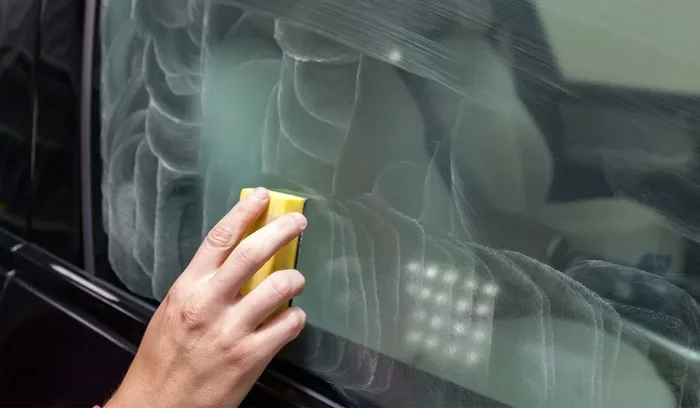
Yes, shaving cream. Apply a thin layer of shaving cream to your windshield inside, let it sit for a few minutes, and then buff it off with a clean microfiber cloth. The ingredients in shaving cream create a protective film that repels water droplets.
This method is incredibly popular and works for days. Many drivers swear by it as the best homemade anti-fog solution. It costs pennies and uses something you probably already have in your bathroom.
The Rice Trick for Moisture Control
Uncooked rice absorbs moisture from the air naturally. Place a bowl of rice under your dashboard or in your trunk to help reduce overall humidity inside your car. This is a long-term solution that works quietly in the background.
Replace the rice every few months for best results. This is a zero-cost method that helps with preventing foggy windows without any chemicals or sprays.
White Vinegar Solution
Mix equal parts white vinegar and water in a spray bottle. Spray this solution on the inside of your windshield and wipe it clean. The vinegar breaks down the residue that helps fog cling to glass.
This method also cleans your windshield at the same time, leaving it streak-free and clear. It is an excellent natural alternative to commercial anti-fog products.
Common Mistakes That Make Fog Worse
Some habits actually make windshield fog worse instead of better. Avoid these common mistakes to keep your windows clear.
Using Recirculated Air Only
Many drivers leave their car on recirculated air mode. While this keeps the cabin warm in winter, it also traps moisture inside. Over time, the air becomes more humid, and fog forms faster. Switch to fresh air mode periodically to let dry outside air in.
Ignoring the A/C in Winter
Some people turn off the air conditioning during cold months. This is a mistake. The A/C removes moisture from the air, which is exactly what you need to prevent fog. Even in freezing temperatures, running the A/C for a few minutes helps keep your glass clear.
Wiping Fog with Your Sleeve
It is tempting to just swipe the fog away with your hand or jacket sleeve. This does not work well and can leave oily smears on the glass. These smears actually attract more moisture, making the fog return even faster. Always use a proper cloth or the methods we discussed above.
Overlooking Outside Fog
Remember that fog can form on the outside of your windshield too, especially during humid or rainy weather. Using your windshield wipers and the A/C helps clear outside fog. Do not assume all fog problems are the same.
Expert Insights and Long-Term Solutions
Automotive experts agree that how to defog a car windshield fast comes down to a combination of quick action and smart prevention. Professional drivers and auto technicians recommend building a routine around windshield maintenance that keeps fog from ever becoming a problem.
Invest in a Portable Car Dehumidifier
Small car dehumidifiers plug into your 12V socket and pull moisture from the air continuously. They are compact, affordable, and highly effective for drivers who deal with persistent fogging issues. This is one of the best long-term investments you can make for clear windshield visibility.
Upgrade Your Windshield Wipers
Old, worn wipers do not clear water evenly and can contribute to fog-like streaks on your glass. Replace your wipers every six to twelve months for best performance. New wipers improve overall windshield clarity and work hand-in-hand with your defogging efforts.
Park Smart to Reduce Condensation
Where you park matters. If possible, park in a garage or covered area to reduce the temperature difference between your windshield and the outside air. This simple habit reduces morning condensation significantly.
Also, try parking with your windows slightly cracked overnight if it is safe to do so. This allows humid air to escape and prevents heavy fog from forming by morning.
Keep Your HVAC System Well-Maintained
Your car’s heating, ventilation, and air conditioning system plays a huge role in managing interior moisture. Have your HVAC system checked regularly by a professional. Clean vents and functioning components mean better airflow and less fog.
Comparison: Quick Fixes vs. Long-Term Prevention
Not all methods are created equal. Some give you instant relief, while others prevent fog from ever returning. Here is how the top methods compare:
- Defroster on high heat: Instant results, works in 1-2 minutes, no preparation needed
- Microfiber cloth wipe: Instant results, requires a cloth in your car at all times
- Rubbing alcohol spray: Fast results in seconds, needs a spray bottle on hand
- Anti-fog spray: Lasts days to weeks, requires application beforehand
- Shaving cream barrier: Lasts several days, easy to apply at home
- Cabin air filter replacement: Long-term prevention, minimal ongoing effort
- Car dehumidifier: Continuous prevention, requires one-time purchase
The best approach combines quick fixes for emergencies with prevention methods for everyday driving. Use the fast methods when fog strikes, and rely on prevention to reduce how often it happens.
Key Takeaways
- Use your car defroster on high heat with A/C on for the fastest fog removal in any weather.
- Keep a microfiber cloth in your car for instant manual clearing when fog appears suddenly.
- Shaving cream and dish soap create anti-fog barriers that last for days without reapplication.
- Crack a window slightly to balance temperatures and stop condensation from forming.
- Anti-fog sprays work great for both inside and outside windshield fog prevention.
- Replace your cabin air filter regularly to reduce moisture buildup inside the car.
- Prevention is faster than cure — simple daily habits keep fog from forming in the first place.
Conclusion
How to defog a car windshield fast is a skill every driver should have. Whether you use the quick defroster method, a simple microfiber cloth, or a homemade solution like shaving cream, the key is knowing what to do before fog strikes. Prevention is always better than reaction, so build these habits into your daily routine.
Start with the fast methods we covered for emergency situations. Then gradually add prevention tips like anti-fog sprays, clean cabin filters, and smart parking habits. Over time, foggy windshield problems will become a thing of the past.
Your safety on the road depends on clear windshield visibility. Take a few minutes today to try these tips. You will drive with confidence knowing that no amount of fog can slow you down. Clear windows mean clear roads ahead, and that is exactly how every drive should feel.
Frequently Asked Questions
What is the fastest way to defog a car windshield?
Turn on your car defroster to maximum heat, set the fan to high, and activate the air conditioning. This combination warms the glass and dries the air inside your car. Most drivers see results within one to two minutes using this method.
Why does my windshield fog up on the inside?
Inside fog happens when warm, humid air from your breath and body heat touches the cold windshield glass. The moisture condenses into tiny droplets that scatter light and create that foggy appearance. This is most common in cold weather or when there are wet items inside the car.
Can I use household items to prevent fog on my windshield?
Yes, several household items work great. Shaving cream, dish soap, and white vinegar all create anti-fog coatings when applied to glass and buffed dry. These are cheap, effective alternatives to commercial anti-fog products and work just as well.
Is it safe to crack a window open while driving to reduce fog?
Yes, cracking a window open even slightly helps balance the temperature and humidity inside your car. This reduces condensation on the windshield. Just open it a small amount, enough to allow airflow without letting in rain or cold air.
How often should I replace my cabin air filter to prevent fog?
Most experts recommend replacing your cabin air filter every 12,000 to 15,000 miles or at least once a year. A clean filter allows proper airflow and reduces moisture buildup inside the car, which directly helps prevent foggy windshield problems.
Do anti-fog sprays really work for car windshields?
Yes, anti-fog sprays are highly effective. They create a thin transparent film on the glass that prevents water droplets from forming and clustering. One application can last for days or even weeks, depending on weather conditions and how often you use your windshield wipers.