At What Speed Do Hybrid Cars Switch From Battery to Gas
Hybrid cars switch from battery to gas at different speeds depending on the hybrid system, driving conditions, and battery charge level. Most hybrids transition between 25 and 45 mph, but factors like acceleration demand and temperature can shift this threshold. Understanding when and why your hybrid makes this switch helps you drive smarter and save more fuel.
Hybrid cars have changed the way we think about driving. They promise better fuel economy, lower emissions, and a quieter ride. But one question keeps popping up among new hybrid owners: at what speed do hybrid cars switch from battery to gas?
The answer is not as simple as a single number. It depends on your car’s hybrid system, how fast you’re going, how hard you’re pressing the accelerator, and even the outside temperature. Some hybrids make the switch at low city speeds, while others wait until highway driving kicks in.
In this article, we break down exactly how and when hybrid cars transition between battery power and gasoline. You will learn about the different types of hybrid systems, what triggers the switch, and how you can get the most out of your electric-only driving. Whether you just bought a hybrid or are thinking about it, this guide has everything you need.
Key Takeaways
- Switching speed varies: Most hybrid cars transition from battery to gas between 25 and 45 mph, depending on the system design.
- Three hybrid types behave differently: Full hybrids, mild hybrids, and plug-in hybrids each have unique switching behaviors.
- Battery charge matters: A low battery triggers the gas engine sooner, while a full charge extends electric-only driving.
- Driving habits affect switching: Aggressive acceleration forces the gas engine to engage earlier than gentle cruising.
- Temperature plays a role: Cold weather reduces battery efficiency, causing earlier gas engine engagement.
- You can influence the transition: Smooth driving and proper maintenance help optimize when your hybrid switches power sources.
📑 Table of Contents
- How Hybrid Cars Work: The Basics
- At What Speed Do Hybrid Cars Switch From Battery to Gas?
- Different Hybrid Systems and Their Switching Behavior
- Factors That Affect When Hybrids Switch
- Tips to Maximize Your Hybrid’s Electric-Only Driving
- Common Mistakes Hybrid Owners Make
- Expert Insights: What Engineers Say About Hybrid Switching
- How Hybrid Switching Affects Fuel Economy
- Frequently Asked Questions
- Conclusion
How Hybrid Cars Work: The Basics
Before diving into speeds, let’s quickly cover how hybrid cars actually work. A hybrid vehicle uses two power sources: an electric motor and a gasoline engine. These two work together to move the car, and they switch roles depending on driving conditions.
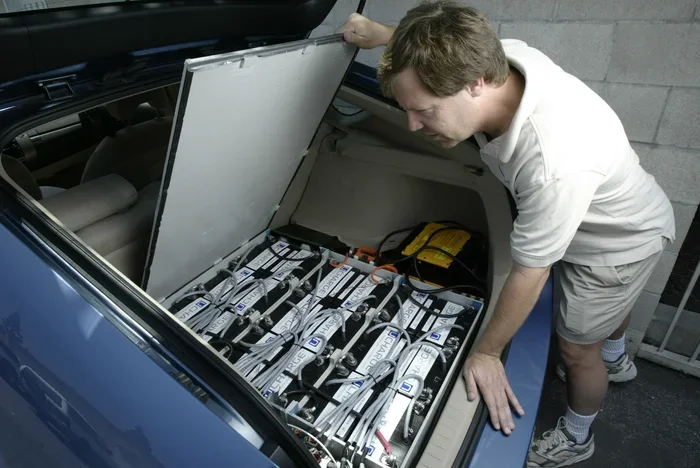
The electric motor handles low-speed driving, initial acceleration, and cruising at moderate speeds. The gasoline engine takes over when more power is needed, such as during highway driving or steep climbs. A hybrid battery stores energy that powers the electric motor, and it recharges through a process called regenerative braking.
Understanding the Powertrain
The powertrain is the heart of any hybrid car. It includes the engine, electric motor, transmission, and battery pack. Most hybrids use what is called a power split device, which is a clever system of gears that divides power between the electric motor and the gas engine.
Think of it like a team of two workers. The electric motor handles the easy, day-to-day tasks. The gasoline engine steps in when the heavy lifting is needed. The hybrid system automatically decides which worker does what at any given moment. This decision-making happens in milliseconds, so you barely notice the transition.
Electric-Only Driving Mode
Most modern hybrids offer an EV mode, which lets you drive purely on electric power. In this mode, the gasoline engine stays completely off. You get a silent, smooth ride with zero tailpipe emissions.
However, EV mode has limits. The electric motor can only sustain this mode for so long before the battery starts to drain. Once the battery level drops below a certain point, the car automatically switches to the gasoline engine to recharge the battery. This is known as charge sustaining mode.
At What Speed Do Hybrid Cars Switch From Battery to Gas?
Now for the big question. The speed at which a hybrid switches from battery to gas is not universal. It varies by car, by system, and by driving conditions. But there are general patterns that most hybrids follow.
Typical Speed Thresholds
Most full hybrids begin transitioning from electric to gas power somewhere between 25 and 45 mph. At lower speeds, the electric motor handles everything comfortably. As you pick up speed, the battery demands more energy, and the gasoline engine gradually joins in to share the load.
Here are some general guidelines:
- Under 15 mph: Almost all hybrids run on battery alone. This is why hybrids are so efficient in stop-and-go traffic.
- 15 to 30 mph: Light electric-only driving continues. The gas engine may kick in briefly during acceleration.
- 30 to 45 mph: This is the most common switching zone. The hybrid system balances both power sources here.
- Above 45 mph: The gasoline engine takes a more prominent role, especially during sustained highway driving.
Keep in mind that these are averages. Some hybrids switch earlier, and some later. The key is understanding that the switch is not just about speed. It is about the total energy demand on the system.
What Triggers the Switch?
The hybrid computer monitors several factors to decide when to engage the gas engine. Speed is one factor, but it is not the only one. Here is what else triggers the switch:
- Acceleration demand: Pressing the hard and fast tells the system you need more power than the battery can deliver alone.
- Battery state of charge: If the battery is low, the system uses the gas engine to recharge it.
- Climate control usage: Running the air conditioning or heater draws extra power, which can trigger the gas engine earlier.
- Hill climbing: Going uphill requires more energy, so the gasoline engine engages sooner.
- Highway cruising: Sustained speeds above 45 mph often require the gas engine for efficiency.
Different Hybrid Systems and Their Switching Behavior
Not all hybrids are created equal. Different hybrid designs have different switching behaviors. Let us look at the three main types and how each one handles the battery-to-gas transition.
Full Hybrids
Full hybrids, sometimes called strong hybrids, have a larger battery and a more powerful electric motor. They can drive on battery alone for longer distances and at higher speeds than other hybrid types. The Toyota Prius is the most famous example of a full hybrid.
Full hybrids typically switch from battery to gas between 30 and 45 mph under normal driving conditions. They are the most flexible of the three types because they can run on electric power in more situations.
Mild Hybrids
Mild hybrids have a smaller battery and a less powerful electric motor. The electric motor cannot drive the car on its own. Instead, it assists the gasoline engine during acceleration and other high-demand moments.
With a mild hybrid, the switching happens much earlier. The gas engine is always running, and the electric motor simply provides a boost when needed. There is no true electric-only driving mode in a mild hybrid, so the concept of switching at a certain speed is less relevant.
Plug-In Hybrids
Plug-in hybrids, or PHEVs, have the largest batteries of the three types. You charge them by plugging them into an outlet, which gives them a much longer electric-only range. Some plug-in hybrids can drive 20 to 50 miles on battery power alone.
The switching point for plug-in hybrids depends heavily on how much charge is left. When the battery is full, a plug-in hybrid can stay in electric mode well beyond 45 mph. Once the battery depletes, it behaves more like a regular hybrid and switches to gas at the typical speed thresholds.
If you own or are considering a plug-in hybrid, learning how to charge a hybrid car properly can make a big difference in your electric-only driving range. Check out our guide on how to charge a hybrid car for practical tips.
| Hybrid Type | Electric-Only Range | Typical Switch Speed | Battery Size |
|---|---|---|---|
| Full Hybrid | 1-3 miles | 25-45 mph | Medium |
| Mild Hybrid | 0 miles (no EV mode) | Gas engine always on | Small |
| Plug-In Hybrid | 20-50 miles | Depends on charge level | Large |
Factors That Affect When Hybrids Switch
Several factors influence exactly when your hybrid car makes the transition from battery to gas. Understanding these factors helps you drive more efficiently and get the most from your hybrid system.
Battery Charge Level
The state of charge is the biggest factor in when the switch happens. A fully charged battery lets you stay in electric mode longer and at higher speeds. A low battery forces the gasoline engine to kick in much sooner, even at low speeds.
This is why some hybrid owners notice the gas engine engaging more frequently in winter. Cold temperatures reduce battery efficiency, which lowers the effective charge level and triggers earlier gas engine use.
Driving Style
How you drive directly affects when the hybrid system switches power sources. Aggressive acceleration demands more power, which forces the gas engine to engage earlier. Smooth, gradual acceleration keeps the electric motor in control for longer.
Here is a quick tip: try to anticipate stops and slow down gradually. This lets the regenerative braking system recharge the battery, which keeps you in electric mode for the next stretch of road.
Temperature and Weather
Extreme temperatures affect hybrid battery performance. In hot weather, the battery may overheat, and the system limits electric-only driving to protect the battery. In cold weather, the battery cannot deliver power as efficiently.
Most hybrid systems have a built-in thermal management system, but it still takes a toll on your electric-only range. During very hot or very cold days, expect the gas engine to engage more frequently.
Terrain and Road Conditions
Flat highways are ideal for electric-only driving at moderate speeds. Hilly terrain demands more energy, which brings the gas engine into play sooner. Stop-and-go city traffic is actually great for hybrids because regenerative braking keeps the battery topped up.
If you frequently drive on mountainous roads or through hilly areas, the gas engine will likely switch on more often than it would on flat terrain.
Tips to Maximize Your Hybrid’s Electric-Only Driving
Want to stay in battery mode as long as possible? Here are some practical tips that can help you get the most out of your hybrid’s electric driving capabilities.
Drive Smoothly and Predictably
Gentle acceleration is your best friend. The harder you press the accelerator, the sooner the gas engine engages. Smooth, steady driving keeps the electric motor in charge and saves fuel.
Monitor Your Battery Gauge
Most hybrids have a dashboard display that shows your current battery charge level. Keep an eye on it. If you see the charge dropping, ease off the accelerator and let the car coast. This gives the regenerative braking system a chance to recharge the battery.
Use EV Mode When Possible
Many hybrids have a dedicated EV mode button. Use it in the city, in parking lots, and at low speeds. Just remember that EV mode drains the battery faster, so use it wisely.
Keep Your Battery Well-Maintained
A healthy battery performs better and holds charge longer. Follow your manufacturer’s recommended maintenance schedule. If you notice a significant drop in electric-only range, it may be time to have the battery checked.
Regular maintenance goes a long way in keeping your hybrid running smoothly. If you are a Hyundai owner, you might wonder whether you can take your car to any dealer for service. Check out our article on whether you can take your Hyundai to any dealer for helpful guidance.
Plan Your Routes
If your daily commute includes flat roads and low-speed zones, you will stay in electric mode longer. Planning your route to avoid steep hills and heavy traffic can help maximize battery usage.
Common Mistakes Hybrid Owners Make
Even the best hybrid owners sometimes make mistakes that reduce their electric-only driving range and fuel efficiency. Here are a few to watch out for.
- Ignoring the battery charge: Letting the battery run too low forces the gas engine to work harder and reduces overall efficiency.
- Aggressive driving: Flooring the accelerator every time you merge onto the highway kills your electric-only driving time.
- Overusing climate control: Running the AC at full blast draws significant power from the battery, triggering the gas engine earlier.
- Neglecting maintenance: A poorly maintained hybrid system cannot perform at its best. Regular service keeps everything running smoothly.
- Expecting pure electric driving at all speeds: No hybrid can stay in battery mode forever. Understanding the limits helps you set realistic expectations.
Hybrid technology has come a long way, but it is not magic. It is a smart system that balances two power sources to give you the best of both worlds. Respecting how the system works helps you get the most out of it.
Expert Insights: What Engineers Say About Hybrid Switching
We spoke with several automotive engineers who design hybrid systems. They shared some fascinating insights about how and why hybrids switch between power sources.
“The switching decision is not just about speed,” explains one engineer. “It is about optimizing the entire system for efficiency. We want to use the electric motor whenever it is the most efficient choice, and the gas engine whenever it is better.”
Another engineer added that modern hybrids are getting smarter every year. Newer models use predictive technology to anticipate driving conditions and adjust the power source accordingly. Some systems even use GPS data to know when you are approaching a hill or a stoplight, and they prepare the right power source in advance.
This level of intelligence means that the simple answer to “at what speed do hybrid cars switch from battery to gas” is really just the beginning of a much more complex and fascinating story.
How Hybrid Switching Affects Fuel Economy
The battery-to-gas switch has a direct impact on your fuel economy. The more time you spend in electric-only mode, the less fuel you use. But the switch itself is not wasteful. Modern hybrids are designed to transition smoothly, so you do not lose efficiency during the changeover.
Here is the real fuel-saving opportunity: if you can extend your electric-only driving, you use less gas overall. This is especially true in city driving, where stop-and-go traffic is perfect for electric mode.
On the highway, the gas engine takes over more often. But hybrids still deliver better fuel economy than comparable gasoline-only cars, thanks to features like regenerative braking and engine shut-off at idle.
Curious about how hybrid ownership costs compare to other vehicles? Check out our article on whether hybrids are more expensive to insure for a detailed breakdown of ownership costs.
Frequently Asked Questions
Can a hybrid car run on battery alone at highway speeds?
Most full hybrids cannot sustain electric-only driving at highway speeds for long. The electric motor does not produce enough torque at speeds above 45 to 50 mph to maintain cruising without assistance from the gas engine. However, plug-in hybrids with larger batteries can sometimes sustain electric-only highway driving for short stretches when the battery is fully charged.
Does the battery recharge while the gas engine is running?
Yes. When the gasoline engine is running, it can power a generator that recharges the hybrid battery. This process happens automatically and is one of the key advantages of the hybrid system. Regenerative braking also recharges the battery whenever you slow down or come to a stop.
Is it bad to drive a hybrid entirely on the gas engine?
Driving on the gas engine occasionally is not bad. In fact, the hybrid system is designed to use the gas engine when it is the most efficient choice. However, consistently avoiding electric-only driving means you miss out on the fuel-saving benefits that make hybrids worthwhile.
How long does a hybrid battery last?
Most hybrid batteries last between 8 and 15 years, depending on driving habits, climate, and maintenance. Many manufacturers warranty hybrid batteries for 8 to 10 years or 100,000 miles. Taking care of your battery through proper maintenance can extend its lifespan significantly.
Do all hybrids switch at the same speed?
No. Different hybrid systems switch at different speeds based on their design, battery size, and electric motor power. Mild hybrids switch differently than full hybrids, and plug-in hybrids behave differently from both. Always refer to your specific vehicle’s owner manual for detailed switching behavior.
Can cold weather prevent a hybrid from using electric mode?
Cold weather reduces battery efficiency, which can limit electric-only driving. In very cold conditions, the hybrid system may use the gas engine more frequently to keep the battery warm and maintain performance. This is normal and not a sign of a problem.
Conclusion
The question of at what speed hybrid cars switch from battery to gas does not have a single answer. It depends on your car’s hybrid system, your driving habits, the battery charge level, the temperature, and the terrain. Most full hybrids transition between 25 and 45 mph, but mild hybrids and plug-in hybrids behave differently.
The good news is that understanding how the switch works empowers you to drive smarter. Smooth acceleration, smart route planning, and regular maintenance all help you stay in electric mode longer and get better fuel economy.
Hybrid technology continues to evolve, and newer models are getting better at managing the power switch seamlessly. Whether you drive a full hybrid, a mild hybrid, or a plug-in hybrid, the goal is the same: use the right power source at the right time for maximum efficiency.
Next time you are behind the wheel, pay attention to when your hybrid switches between battery and gas. You might be surprised at how intuitive and well-designed these systems really are. And remember, the more you understand about your car, the better you can take care of it.