Does the Key Fob Need to Be Reprogrammed After Battery Change
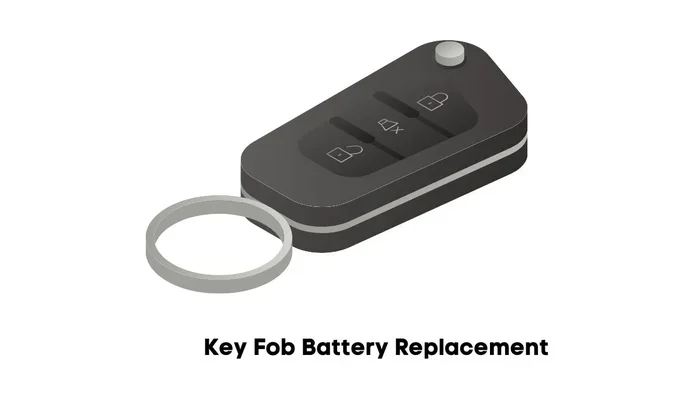
Replacing your key fob battery is simple, but the big question is whether you need to reprogram it afterward. In most cases, the answer is no — your key fob retains its programming even with a fresh battery. However, some vehicles and situations do require a reset or reprogramming. This guide covers everything you need to know, from the basic process to troubleshooting tips when your fob acts up after a battery swap.
You just popped open your key fob, swapped out the old battery, and snapped the cover back on. But then it hits you — does this mean you need to reprogram the whole thing? If you have ever stared at your car key fob wondering why it is not working after a simple battery swap, you are not alone. This is one of the most common questions car owners ask, and the answer is more nuanced than a simple yes or no.
The truth is, most key fobs do not need reprogramming after a battery change. The programming lives in your car’s computer system, not inside the little remote itself. But there are exceptions. Some vehicles, especially newer luxury models, do require a sync or reset process. And sometimes, what feels like a programming problem is actually something much simpler — like a dead battery or a loose connection.
In this article, we will walk you through everything you need to know. From understanding how your key fob battery replacement works to troubleshooting when the fob still will not cooperate. By the end, you will know exactly what to do, whether you can handle it yourself, and when it is time to call in the experts.
Key Takeaways
- Most key fobs do not need reprogramming after a battery change because the programming is stored in the car’s computer, not the fob itself.
- Some vehicles require a reset or re-sync process after the battery is replaced, especially luxury and newer models.
- Using the wrong battery type can cause the fob to malfunction, mimicking a programming issue.
- Common signs your fob needs reprogramming include a flashing warning light, unresponsive buttons, or the car not detecting the fob.
- You can often reprogram your fob yourself at home using simple steps found in your owner’s manual.
- Consult a professional if DIY methods fail, especially for complex systems like smart key fobs.
📑 Table of Contents
- Why Do Key Fobs Need Programming in the First Place?
- Does the Key Fob Need to Be Reprogrammed After Replacing the Battery?
- How to Tell If Your Key Fob Needs Reprogramming
- How to Reprogram Your Key Fob (If Needed)
- Common Mistakes to Avoid After Replacing Your Key Fob Battery
- When Should You Call a Professional?
- How to Extend Your Key Fob Battery Life
- Final Thoughts
Why Do Key Fobs Need Programming in the First Place?
To understand whether reprogramming is needed after a battery change, it helps to know how key fob programming actually works. Your car’s remote key fob communicates with the vehicle using a unique encrypted signal. This signal is paired with your specific car during manufacturing or at the dealership.
Here is the key idea: the car remembers the fob, not the other way around. When you replace the battery inside the fob, you are only powering the remote’s electronics. You are not erasing the signal that your car has already stored. Think of it like a light switch — changing the battery is like putting fresh batteries in your TV remote. The TV still remembers which remote belongs to it.
However, some smart key systems and proximity key fobs work differently. These advanced systems use rolling codes that change every time you press a button. In rare cases, a complete battery drain can disrupt this rolling code sequence, requiring a resync. This is where things get a little more complicated.
How Key Fob Signals Work
Your car key fob sends a radio frequency signal to a receiver in the car. This signal contains a unique identification code. When the car recognizes the code, it unlocks the doors or allows the engine to start. The encryption keeps your vehicle secure from thieves trying to copy the signal.
Most modern fobs use a CR2032 battery, which is a small, round coin-cell battery. These batteries last between two and four years depending on how often you use the fob. When the battery gets low, you might notice reduced range or sluggish button response. That is usually your cue to swap in a fresh one.
Does the Key Fob Need to Be Reprogrammed After Replacing the Battery?
Here is the short answer: in most cases, no. For the vast majority of vehicles on the road today, replacing the battery in your key fob does not erase its programming. The car’s computer retains the fob’s unique ID, so everything should work right away after you pop the cover back on.
But the longer answer is that it depends on your vehicle type, the age of your fob, and the specific system your car uses. Let us break this down into three main scenarios.
Scenario 1: Traditional Key Fobs (Most Common)
If your traditional remote key fob has physical buttons for locking, unlocking, and possibly a panic alarm, you almost certainly do not need to reprogram it after a battery change. These fobs store their pairing information in the car’s immobilizer system. The fob itself is basically just a transmitter powered by a small battery.
After you replace the battery, simply test the fob within a few feet of the car. If the doors lock and unlock normally, you are all set. No programming required.
Scenario 2: Smart Key and Push-Button Start Systems
Many newer vehicles use smart key fobs or proximity keys that allow you to start the car without even taking the fob out of your pocket. These systems are more complex. They use low-frequency signals to detect the fob’s presence inside the vehicle.
In some cases, a fully drained smart key fob might need to be re-synced after a battery replacement. This is not full reprogramming — it is more like refreshing the connection between the fob and the car. The process varies by manufacturer, but it is usually straightforward.
Scenario 3: Luxury and European Vehicles
Luxury brands like BMW, Mercedes-Benz, and Audi sometimes have more finicky key fob systems. If you own a BMW and you have ever dealt with BMW key fob battery replacement, you might notice that the system sometimes requires a quick resync. Some European models use sophisticated encryption that can lose pairing if the battery drops to zero and stays dead for a while.
If you are unsure about your specific vehicle, check your owner’s manual or search for your car model online. You can also find helpful guides that walk you through the process for your exact make and model.
How to Tell If Your Key Fob Needs Reprogramming
So how do you know if your fob actually needs reprogramming versus just needing a new battery or a simple reset? Here are the most common signs that something is off with your key fob system.
Signs Your Key Fob May Need Reprogramming
- The fob does not respond at all — even when you are standing right next to the car.
- Warning lights appear on the dashboard, such as a key symbol or a security light flashing.
- The car does not detect the fob for push-button start systems, even with a new battery installed.
- Buttons work intermittently — sometimes they respond, sometimes they do not.
- The fob range has decreased significantly, and you need to be within a few inches of the car for it to work.
- You replaced the battery and the fob still will not sync after trying a simple reset.
Signs It Is Just a Battery Issue
On the other hand, if the fob works fine from a short distance but struggles from across the room, the new battery might just need a moment to seat properly. Weak signal strength after a battery change is normal for the first few minutes. Give it a couple of tries before assuming something is wrong.
Also, if you are dealing with a situation where your car won’t start right after turning off, the issue might not be the key fob at all. It could be related to your vehicle’s electrical system or ignition. Understanding the difference saves you time and unnecessary trips to the dealer.
How to Reprogram Your Key Fob (If Needed)
If you have determined that your fob does need reprogramming, do not panic. In most cases, you can do this yourself at home without visiting a dealership or locksmith. Here is a general overview of the process.
Step-by-Step Reprogramming Guide
- Sit in the driver’s seat with all doors closed and the fob in your hand.
- Turn the ignition to the “On” position without starting the engine. Some vehicles require you to cycle the key to the “Off” position and back to “On” several times in quick succession.
- Press the lock button on the fob and hold it for a few seconds.
- Turn the ignition back to “Off.” You may need to repeat the on-off cycle several times depending on your vehicle.
- Listen for a confirmation sound — many cars beep or flash the lights when the fob has been successfully reprogrammed.
- Test the fob by standing a few feet away and pressing the lock and unlock buttons.
Tips for Successful Reprogramming
- Use a fresh battery in the fob before attempting reprogramming. A weak battery can cause the process to fail.
- Follow your vehicle’s specific procedure in the owner’s manual. Every car brand has slight variations.
- Keep the fob close to the ignition cylinder or the push-button start during the process.
- Be patient — some vehicles require you to repeat the cycle three to five times before it recognizes the fob.
If the DIY method does not work, it might be time to consult a professional. Some systems, particularly European luxury brands, require specialized diagnostic tools that only dealerships or certified locksmiths have. You can also check if you are able to start your car without the key fob using a backup method, which many modern vehicles offer.
Common Mistakes to Avoid After Replacing Your Key Fob Battery
Replacing a key fob battery is straightforward, but small mistakes can cause big headaches. Here are the most common errors people make — and how to avoid them.
Mistake 1: Using the Wrong Battery Type
Not all key fob batteries are the same. The most common is the CR2032, but some fobs use CR2025, CR1632, or other sizes. Using the wrong battery can cause the fob to malfunction or not work at all. Always check your fob’s manual or the old battery before purchasing a replacement.
Mistake 2: Touching the Circuit Board
When you open the fob, avoid touching the internal circuit board with your bare fingers. The oils from your skin can corrode the contacts over time. If possible, use a soft cloth or plastic tool to handle the components.
Mistake 3: Forcing the Fob Back Together
If the fob does not snap shut easily, something is probably misaligned. Forcing it can crack the casing or damage the buttons. Take it apart again, check that the battery is seated correctly, and make sure no tiny screws or springs are out of place.
Mistake 4: Ignoring the Backup Key
Many fobs come with a small hidden mechanical key blade tucked inside. If your electronic fob fails for any reason, this backup key can still unlock your doors. Always know where your backup key is before you open the fob for a battery change.
Mistake 5: Assuming Reprogramming Is Always Needed
As we covered earlier, most fobs do not need reprogramming after a battery swap. Assuming they do and attempting a complex reset process unnecessarily can sometimes confuse the system. Start simple — just test the fob after the battery change before moving on to any reprogramming steps.
When Should You Call a Professional?
There are times when a DIY fix is not enough, and that is perfectly okay. Here are some situations where you should consider calling in the pros.
- Your fob still will not work after multiple reprogramming attempts. There may be a deeper issue with the car’s receiver or the fob itself.
- You have a smart key system that requires specialized diagnostic equipment. Many modern vehicles need a scan tool to re-sync the fob.
- You have lost all key fobs for your vehicle. Getting a new fob programmed requires dealer-level access in most cases.
- Your car’s security light is flashing constantly. This could indicate a fault in the immobilizer system that needs professional diagnosis.
- You are unsure about the battery type or fob internals. If you are uncomfortable opening the fob, a locksmith or dealership can handle it quickly and affordably.
Keep in mind that if you are ever locked out of your vehicle, you can call 911 to get your keys out of your car in emergency situations. This is a lesser-known service that many people do not realize is available to them.
How to Extend Your Key Fob Battery Life
Nobody wants to deal with a dead key fob battery at the worst possible moment. Here are some simple tips to keep your remote key fob working reliably for as long as possible.
- Replace the battery every two to three years as a preventative measure, even if it seems to be working fine.
- Avoid exposing the fob to extreme heat or cold, which can drain the battery faster.
- Do not press the buttons unnecessarily when you are not near the car. Every press uses a small amount of power.
- Store the fob away from other electronic devices that might interfere with its signal or drain its power.
- Clean the battery contacts occasionally with a dry cloth to ensure a good connection.
Taking care of your key fob battery is one of the easiest ways to avoid the hassle of dealing with a non-functioning remote. A little prevention goes a long way.
Final Thoughts
So, does the key fob need to be reprogrammed after replacing the battery? For most drivers, the answer is a reassuring no. Your car remembers your fob, and a simple battery swap does not erase that memory. But now you know that there are exceptions, and you have the tools to handle them if they come up.
Whether you drive a basic sedan with a traditional remote fob or a luxury SUV with a smart key system, understanding how your key fob programming works puts you ahead of the game. You can troubleshoot confidently, avoid unnecessary trips to the dealership, and save time and money.
The next time you swap out that key fob battery, you will know exactly what to expect. Test the fob, watch for any warning signs, and only reprogram if necessary. And if something does not feel right, remember that professional help is always just a phone call away.
Stay proactive with your car key maintenance, and your fob will keep working smoothly for years to come. A little knowledge and a fresh battery go a long way in keeping your daily drive stress-free.
Frequently Asked Questions
Do I need to reprogram my key fob after changing the battery?
In most cases, no. The programming is stored in your car’s computer, not the fob itself. However, some vehicles, especially smart key systems and luxury models, may require a quick resync. Always test your fob after a battery change before assuming reprogramming is needed.
What battery does my key fob use?
The most common key fob battery is the CR2032, a small coin-cell battery. Some fobs use CR2025 or CR1632. Check your fob’s manual or the label on the old battery before purchasing a replacement to ensure you get the right type.
How long does a key fob battery last?
A key fob battery typically lasts between two and four years, depending on how frequently you use the remote. If you notice reduced range or sluggish button response, it is usually time to replace the battery.
Can I still start my car if the key fob battery dies?
Most modern vehicles have a backup method for starting the car with a dead fob. You can usually place the fob directly against the push-button start or use the hidden mechanical key blade to unlock the door. If you are wondering about starting your car without the fob, many systems have a built-in fallback mode.
Why is my key fob not working after I changed the battery?
This could be caused by several factors: the wrong battery type, a poorly seated battery, dirty contacts, or the need for a simple resync. Try removing and reseating the battery, cleaning the contacts, and testing the fob close to the car. If the problem persists, reprogramming may be necessary.
How much does it cost to reprogram a key fob?
Reprogramming costs vary widely. Some vehicles allow you to reprogram the fob yourself for free, while others require a dealer visit that can cost between $50 and $200. Locksmiths often offer reprogramming services at a lower cost than dealerships. Check your owner’s manual for guidance on your specific model.