Can I Still Drive With a P0171 Code What You Need to Know
A P0171 code tells you your engine is running lean on bank 1. You can drive a short distance carefully, but ignoring it risks serious damage. This guide explains the causes, symptoms, fixes, and safe driving steps.
Your check engine light just blinked on, and the OBD-II scanner shows a P0171 code. You wonder if you can still drive to the grocery store or make it to work. The short answer is yes, but only for a short distance and with care. A P0171 code signals that your engine is running lean, meaning there is too much air and not enough fuel in the mixture. Driving with this condition can cause overheating, poor performance, and long-term damage to expensive parts like the catalytic converter.
This article breaks down everything you need to know about the P0171 code. You will learn what it means, why it happens, whether it is safe to drive, and how mechanics fix it. I will share practical tips, common mistakes, and real-world examples to help you make smart decisions. Whether you are a DIYer or just want to understand your car better, this guide covers it all.
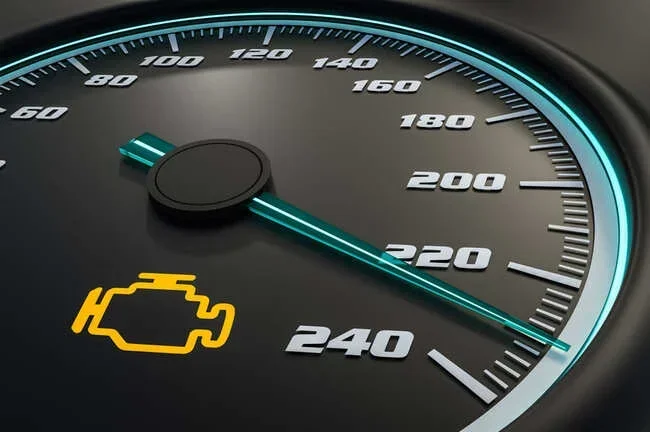
The P0171 code is one of the most common diagnostic trouble codes. It specifically points to a lean fuel condition in bank 1 of your engine. Bank 1 is the side of the engine that contains cylinder number one. When the engine control unit (ECU) detects that the oxygen sensor readings show a lean mixture for too long, it sets the code. The check engine light comes on to warn you. Ignoring it is tempting, but understanding the risks helps you decide the best next step.
Key Takeaways
- You can drive a little, but not far: A P0171 code means a lean fuel mixture. Short, gentle trips are possible, but long drives can harm your engine.
- Common causes are vacuum leaks and dirty sensors: A cracked hose, faulty oxygen sensor, or clogged MAF sensor often triggers this code.
- Running lean damages expensive parts: The catalytic converter and engine bearings suffer most when the fuel mix stays too lean.
- DIY fixes are simple: Many causes like loose gas caps, vacuum hose replacements, or cleaning the MAF sensor cost little and need no mechanic.
- Check engine light means stop soon: If the P0171 code flashes or you notice rough running, get a diagnosis quickly.
- Repair costs vary widely: A $20 fix for a vacuum leak can become a $500 repair if the catalytic converter burns out.
- Prevention is easy: Regular air filter changes and fuel system cleaning help prevent a P0171 code from returning.
📑 Table of Contents
What Does a P0171 Code Mean?
Understanding Bank 1 and the Lean Condition
Your car’s engine has multiple cylinders grouped into banks. Bank 1 includes the first cylinder. The P0171 code means the air-fuel ratio in bank 1 is too lean. A healthy mixture is roughly 14.7 parts air to 1 part fuel. When the ratio shifts toward more air, the engine runs lean. The ECU tries to compensate by adding fuel, but if it cannot, the code triggers.
The oxygen sensors measure the amount of oxygen in the exhaust. They send this data to the ECU. If the sensor reports a lean reading for an extended period, the ECU logs the P0171 code. This is a protective measure, but it also means something is wrong with the fuel delivery, air intake, or sensor system.
Short-Term Fuel Trim vs Long-Term Fuel Trim
Mechanics look at short-term fuel trim (STFT) and long-term fuel trim (LTFT) when diagnosing a P0171 code. STFT shows immediate adjustments the ECU makes. LTFT shows learned adjustments over time. If both trims are high (above +10%), the engine is definitely running lean. A P0171 code often appears alongside high fuel trim values. This helps pinpoint whether the problem is sudden, like a vacuum leak, or gradual, like a dirty mass airflow sensor.
Can You Safely Drive With a P0171 Code?
Short-Term Driving: What to Expect
You can drive a few miles with a P0171 code, but you should keep the trip short and gentle. Avoid heavy acceleration, towing, or climbing steep hills. These actions stress the engine when it is running lean. If the car runs smoothly and you only see the check engine light, you can carefully drive to a repair shop. However, if you notice rough idling, stalling, or a loss of power, stop driving immediately.
Short trips at low speeds are less risky because the engine does not heat up as much. A lean mixture can cause detonation or pre-ignition, which damages pistons and bearings over time. The key is to minimize the time you drive with the code active.
Long-Term Risks of Ignoring the Code
Driving for weeks or months with a P0171 code is a bad idea. The lean condition causes the engine to run hotter than normal. Excess heat wears down piston rings and cylinder walls. The catalytic converter also suffers because it must handle unburned oxygen. Over time, the catalytic converter can melt or clog, leading to a repair cost of $1,000 or more.
Also, a lean engine reduces fuel efficiency. You may notice poor gas mileage and rough acceleration. The engine may hesitate when you press the gas pedal. These symptoms worsen if the underlying cause is not fixed. A P0171 code is a warning to act quickly, not a problem to ignore.
When You Should Not Drive At All
Do not drive if the P0171 code is flashing. A flashing check engine light means a severe misfire is occurring. Misfires can send unburned fuel into the exhaust, which can destroy the catalytic converter in minutes. Also, if the engine stalls frequently or you hear loud knocking sounds, turn off the engine and call for a tow. Driving in these situations can turn a small repair into a catastrophic engine failure.
Common Causes of the P0171 Code
Vacuum Leaks and Intake Air Leaks
A vacuum leak is the most common cause of a P0171 code. The engine relies on a sealed intake system to measure the correct amount of air. When a vacuum hose cracks or a gasket deteriorates, extra unmetered air enters the engine. The ECU sees too much oxygen and cannot add enough fuel, causing a lean condition.
Common leak points include the intake manifold gasket, vacuum lines, PCV valve hose, and the brake booster hose. Even a small crack can trigger the code. Mechanics often use a smoke test to find vacuum leaks. They pump smoke into the intake and look for escaping smoke. This simple test reveals leaks that are hard to see with the naked eye.
Faulty Oxygen Sensor or MAF Sensor
The oxygen sensor measures exhaust gases. Over time, it can become slow or inaccurate. A failing oxygen sensor may report a lean reading even when the mixture is normal. The ECU then tries to add fuel, but the sensor keeps saying lean, and the P0171 code appears.
The mass airflow sensor (MAF) measures the volume of air entering the engine. If the MAF sensor is dirty or faulty, it under-reports the air volume. The ECU then delivers less fuel than needed, creating a lean mixture. Cleaning the MAF sensor with a special cleaner often fixes this issue. If cleaning does not work, replacing the sensor is relatively affordable.
Fuel System Problems
A weak fuel pump, clogged fuel filter, or dirty fuel injector can cause a P0171 code. If the fuel system cannot deliver enough fuel under demand, the engine runs lean. You might notice the problem more when you accelerate hard or carry a heavy load. The fuel pressure regulator ensures the correct fuel pressure. If it fails, fuel delivery drops, and the lean condition follows.
Using low-quality fuel or contaminated gasoline can also cause lean codes. Water or debris in the fuel system disrupts proper atomization. A fuel additive or a tank of clean premium fuel sometimes resolves the issue if contamination is minor.
Other Possible Causes
- Air filter blockage: A severely clogged air filter restricts airflow, confusing the MAF sensor and leading to a lean condition.
- Exhaust leaks: A leak before the oxygen sensor allows outside air into the exhaust, skewing sensor readings.
- Incorrect aftermarket parts: Cold air intakes or performance exhausts without proper tuning can alter the air-fuel ratio.
- Engine timing issues: Incorrect ignition timing can cause the engine to run lean under certain conditions.
Symptoms You’ll Notice When the P0171 Code Appears
Check Engine Light and Diagnostic Codes
The most obvious symptom is the check engine light. The OBD-II scanner will show the P0171 code, and sometimes a related code like P0174 for bank 2. You may also see codes for misfires or oxygen sensor faults. The check engine light may stay solid or blink, depending on the severity of the lean condition.
Rough Idle and Engine Hesitation
A lean mixture causes the engine to idle roughly. You may feel vibrations through the steering wheel or seat. The RPMs might fluctuate slightly when stopped at a light. During acceleration, the engine may hesitate or stumble. This happens because the fuel injection system cannot deliver the correct fuel amount for the sudden air intake increase.
Reduced Fuel Economy
Interestingly, a lean condition can sometimes improve fuel economy slightly, but more often it causes poor mileage. The ECU constantly tries to correct the mixture, leading to erratic fuel delivery. You might notice you fill up more often. A sudden drop in MPG is a strong signal that something is wrong with the fuel system or air intake.
Hard Starts and Stalling
Severe lean conditions make starting the engine difficult. The fuel-air mixture is too thin to ignite reliably. Once running, the engine may stall at idle or when coming to a stop. These symptoms indicate a serious fuel delivery problem or a large vacuum leak that needs immediate attention.
How Mechanics Diagnose and Fix a P0171 Code
Step-by-Step Diagnostic Process
A mechanic begins by connecting an OBD-II scanner to read the P0171 code and freeze frame data. The freeze frame shows the engine conditions at the time the code was set, such as RPM, load, and temperature. This helps replicate the problem. Next, they inspect the intake system for vacuum leaks. They spray carburetor cleaner around hoses and gaskets while the engine runs. A change in RPM indicates a leak.
The mechanic then checks the fuel system. They measure fuel pressure with a gauge on the fuel rail. Low pressure points to a weak pump or clogged filter. They also inspect the fuel injectors for clogging or leaks. The oxygen sensor and MAF sensor readings are examined with a scan tool. If the MAF sensor shows low readings at high RPMs, it is likely dirty or faulty.
Common Repairs and Costs
Repair costs vary based on the cause. A vacuum hose replacement costs $10 to $50 for parts and labor. Cleaning the MAF sensor costs around $20 if you do it yourself, or $50 to $100 at a shop. An oxygen sensor replacement typically runs $150 to $300, depending on the vehicle. A fuel pump replacement can be $400 to $800 because of the labor involved in accessing the tank.
The most expensive repair is a catalytic converter replacement, which can cost $1,000 to $2,500. This is why addressing a P0171 code early saves money. A simple vacuum leak fix that costs $30 can prevent a $2,000 catalytic converter replacement. Always get a proper diagnosis before authorizing major repairs.
DIY Fixes You Can Try at Home
If you are comfortable under the hood, you can try a few things. First, check your gas cap. A loose or damaged gas cap can cause a lean code. Tighten it until it clicks, or replace it if the seal is cracked. Next, inspect vacuum hoses for cracks or loose connections. Replacing a small hose costs almost nothing and takes minutes.
You can also clean the MAF sensor. Remove it from the air intake box and spray it with MAF cleaner. Let it dry completely before reinstalling. Reset the code with a scanner and see if it returns. If the P0171 code persists after these steps, visit a mechanic for a full diagnostic.
Preventing a P0171 Code in the Future
Regular Maintenance Tips
Prevention starts with routine maintenance. Change your air filter every 15,000 to 30,000 miles. A clean air filter ensures proper airflow to the MAF sensor. Use quality fuel from reputable stations to avoid contamination. Consider adding a fuel system cleaner every 30,000 miles to keep injectors clean and flowing properly.
Inspect vacuum hoses during oil changes. Look for cracks, swelling, or loose clamps. Replacing aging hoses before they fail prevents vacuum leaks. Also, keep up with oxygen sensor replacements. Many sensors last 100,000 miles, but they can fail earlier in harsh driving conditions.
Addressing Small Problems Early
Do not ignore small symptoms. A slight rough idle or a minor hesitation during acceleration can signal the start of a lean condition. Catching these early with a scan tool can prevent the P0171 code from appearing. A quick diagnostic check costs far less than a major repair. If you see the check engine light, get it scanned within a few days.
Conclusion
Driving with a P0171 code is possible for a short, careful trip, but it is not something you should do regularly. The code means your engine is running lean, which can cause overheating, misfires, and damage to the catalytic converter. Most causes, like vacuum leaks or dirty sensors, are inexpensive to fix. Ignoring the problem turns a $50 repair into a $1,000 headache. Use the tips in this guide to understand your car’s warning, take safe action, and keep your engine healthy.
The P0171 code is a clear signal to pay attention. Whether you diagnose it yourself or visit a mechanic, addressing it promptly protects your wallet and your safety. Keep this guide handy the next time your check engine light comes on, and you will know exactly what to do.
Frequently Asked Questions
Can I drive 50 miles with a P0171 code?
Yes, you can drive a short distance of 50 miles carefully, but avoid heavy acceleration and highway speeds. Keep the engine load low and get the car diagnosed as soon as possible. Continuing to drive long distances with a lean condition risks engine damage.
What is the most common cause of a P0171 code?
The most common cause is a vacuum leak. Cracked or loose vacuum hoses, a failing intake manifold gasket, or a disconnected PCV hose allow extra air into the engine. This unmetered air makes the mixture lean, triggering the P0171 code.
Will a P0171 code clear itself?
Sometimes the code clears if the issue is intermittent, like a loose gas cap. However, if the root cause remains, the code will return. It is best to fix the problem rather than waiting for it to clear on its own.
How much does it cost to fix a P0171 code?
Costs range from $20 for a vacuum hose to $300 for an oxygen sensor. A MAF sensor cleaning costs around $50, while a catalytic converter replacement can exceed $1,000. The exact cost depends on the underlying cause.
Is it safe to drive with a P0171 code at night?
Driving at night is not inherently more dangerous, but reduced visibility adds risk if the engine stalls or loses power. If you must drive at night, keep the trip short and stay on well-lit roads. Pull over safely if you notice severe hesitation or stalling.
Can a bad fuel pump cause a P0171 code?
Yes, a weak fuel pump cannot deliver enough fuel under demand. This causes a lean condition, especially during acceleration or hill climbing. If you notice a loss of power and the P0171 code, have the fuel pressure tested by a mechanic.




4 Comments